
Plants
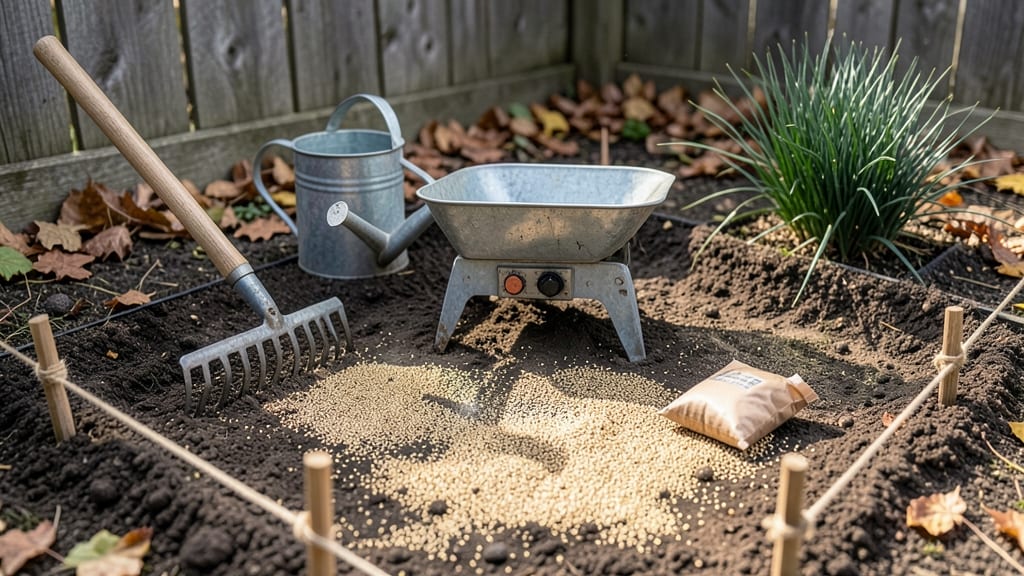
A good time to plant grass seed in the spring can make or break your lawn's success—plant too early, and frost will kill your 🌱 efforts, while waiting too long risks summer heat stress.
The ideal window isn't just about calendar dates but soil temperature and frost-free conditions that create the perfect environment for germination.
For most regions, including USDA Zone 6a, the sweet spot falls between 4-6 weeks after your average last frost date—typically mid-April to early May. This timing ensures soil stays consistently warm (50-65°F) while avoiding late-season frost surprises that could set back your progress.
But here's the catch: different grass types have unique needs. Cool-season grasses like Kentucky bluegrass thrive in early spring, while warm-season varieties like Bermuda prefer late spring planting. I'll break down exactly how to match your grass type with the perfect planting window for your climate.
Ready to transform patchy soil into a vibrant lawn? Let's dive into the science-backed steps to plant at the exact moment your grass will take off—no guesswork, just results.
Optimal weeks after last frost for planting grass seed in spring
Planting grass seed at the right time in spring ensures strong root development and a thick lawn. The ideal window is typically 4-6 weeks after your last frost date, but this varies by grass type and climate zone.
Cool-season grasses like Kentucky bluegrass and fescue thrive when soil temps hit 50-65°F, while warm-season grasses like Bermuda prefer 65-75°F soil.
For most regions in the U.S., this translates to planting between late March and early May. However, if you live in Zone 5 or colder, aim for mid-April to early June to avoid late frosts.
Southern climates (Zones 7+) can start as early as February, but wait until soil warms consistently.
Here’s the breakdown of optimal planting windows based on grass type and regional frost-free periods:
| Grass Type | Ideal Soil Temp (°F) | Weeks After Last Frost | Best Planting Months |
|---|---|---|---|
| Cool-Season (Kentucky Bluegrass, Fescue, Ryegrass) | 50-65°F | 4-6 weeks | March-May (Zones 3-6) |
| Warm-Season (Bermuda, Zoysia, St. Augustine) | 65-75°F | 2-4 weeks | April-June (Zones 7-10) |
| Transition Zones (5-6) | 55-65°F | 3-5 weeks | Late April-May |
If you’re unsure about your last frost date, check the USDA Plant Hardiness Zone Map or consult your local cooperative extension service. For example, in Zone 4, planting in late April gives seeds time to germinate before summer heat arrives.
In Zone 8, early March planting risks frost damage, so wait until mid-March.
Pro tip: Use a soil thermometer to confirm temps before planting. If soil is below 50°F, wait another week—cold soil slows germination and weakens seedlings. For cool-season grasses, aim for 50-65°F soil; for warm-season, wait until 65-75°F.
Another key factor is daylength. Longer days in late spring provide more sunlight for photosynthesis, boosting seedling growth. If you plant too early (e.g., February in cold zones), seedlings may struggle with short daylight hours and chilly nights, leading to weak, patchy lawns.
For overseeding existing lawns, the window narrows to 2-4 weeks after last frost. This is because established grass competes with new seedlings for nutrients. Use a starter fertilizer with high phosphorus (e.g., 10-20-10) to encourage root growth in this shorter window.
Regional variations matter too. In the Pacific Northwest, where spring rains linger, plant Kentucky bluegrass in late April to avoid waterlogged soil. In the Southeast, where summers are hot, Bermuda grass should go in by mid-May to establish roots before July heat.
Finally, don’t forget that grass seed varieties have different germination times. Ryegrass sprouts in 7-14 days, while fescue takes 14-28 days. Plan your planting window to account for these differences, especially if you’re mixing types.
By aligning your planting with soil temperature, frost-free dates, and grass type needs, you’ll give your lawn the best start for a thick, healthy carpet of green. 🌱
Optimal weeks after last frost for planting grass seed in spring
Planting grass seed at the right time in spring is all about balancing soil temperature, frost-free days, and grass type.
Cool-season grasses like Kentucky bluegrass and fescue thrive when planted 4-6 weeks before your average last frost date, while warm-season grasses like Bermuda and Zoysia prefer warmer soil in late spring.
For most U.S. regions, this means aiming for early April to mid-May, but timing shifts slightly by climate zone.
Your local last frost date is the starting point, but don’t rush—wait until soil temperatures consistently reach 50-65°F at a 4-inch depth. Cold soil slows germination, leading to weak, patchy growth.
For example, in Zone 5, plant around mid-April, while Zone 8 gardeners can seed as early as February for warm-season varieties. Always check your USDA Hardiness Zone for precision.
| Grass Type | Ideal Planting Window | Soil Temp (°F) | Notes |
|---|---|---|---|
| Cool-Season (Fescue, Bluegrass) | 4-6 weeks before last frost | 50-65°F | Best in early spring; tolerates cooler temps |
| Warm-Season (Bermuda, Zoysia) | After last frost, soil >70°F | 70-85°F | Plant in late spring; needs heat to germinate |
| Ryegrass (Fast-Germinating) | 3-5 weeks before last frost | 40-55°F | Great for early planting; sprouts quickly |
Regional differences matter—northern climates (like Minnesota) should wait until late April or early May, while southern states (like Texas) can plant Bermuda grass as early as February.
Always verify your local frost dates using resources like the National Weather Service or Old Farmer’s Almanac. Pro tip: Use a soil thermometer to confirm readiness—never guess!
If you’re unsure whether your area has warmed enough, opt for cool-season grasses in early spring. They germinate faster in 50-60°F soil and handle light frosts better than warm-season types. For example, tall fescue is a top choice for Zone 4-7 because it establishes roots quickly, even in cooler conditions.
Always match your grass variety to your climate for best results.
One common mistake is planting too early when soil is still cold or too late when summer heat arrives. Early planting risks frost damage, while late planting stresses seedlings.
Aim for 4-6 weeks before last frost for cool-season grasses and after last frost for warm-season types. This window ensures strong root establishment before summer stress sets in.
For a foolproof approach, test your soil’s moisture and temperature for 3-5 days before planting. If the top 2 inches dry out quickly, your lawn isn’t ready. Wait until you can press the soil lightly and feel slight resistance—this indicates optimal moisture for seed-to-soil contact.
Pair this with consistent morning watering (about ¼ inch daily) to keep seeds hydrated until germination.