
Plants
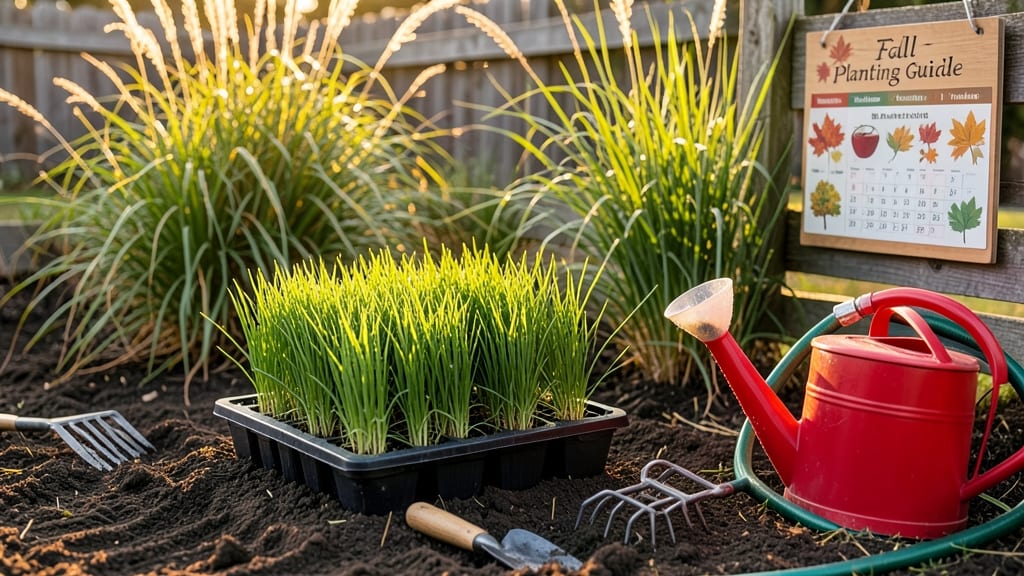
If you've ever stared at your North Texas lawn and wondered when to plant fescue for that lush, green carpet, timing is the secret weapon you need. Plant too early, and your grass will wilt under summer's scorching sun; too late, and frost will nip it before roots take hold.
The perfect window is narrow, but mastering it means the difference between a weak, patchy lawn and one that thrives year after year.
For North Texas gardeners in USDA Zone 8a, the ideal months to plant fescue are September through October, when temperatures cool and the soil stays warm enough for strong root growth.
This fall planting window gives your grass 4-6 weeks to establish before the first frost hits around mid-December. But don't overlook early spring—February to March is also a solid option if you missed fall.
Why does this matter? Because fescue grass is a cool-season staple, and planting it at the right time means it won’t struggle to compete with weeds or brown out in the heat.
I’ve seen firsthand how a well-timed planting can turn a struggling lawn into a thick, vibrant carpet that holds up through Texas summers. Let’s break down exactly how to get it right.
In this guide, you’ll discover the exact calendar for planting, soil prep tips tailored to North Texas clay, and how to care for your new grass so it survives our unpredictable weather. Ready to transform your lawn? Let’s get started.
Optimal planting months for fescue in North Texas (with frost deadline)
North Texas’ USDA Zone 7b/8a climate means frost dates are your planting deadline. The ideal window for fescue is mid-August through October, when soil temps stay above 60°F but before first frost (usually mid-December).
Planting too early risks summer heat stress, while late planting leaves roots vulnerable to winter chill.
For Dallas-Fort Worth, aim for late August to early October—this gives roots 6-8 weeks to establish before frost. In Amarillo’s cooler microclimate, extend the window to mid-October due to earlier frosts. Always check your local Almanac frost dates for precision.
🌱 Fescue Planting Timeline for North Texas
| Month | Soil Temp (°F) | Planting Window | Risk Level |
|---|---|---|---|
| August | 70-85°F | Late August (after heat waves) | Moderate (heat stress) |
| September | 65-75°F | Prime window (ideal) | Low (perfect conditions) |
| October | 55-65°F | Early October (before frost) | Low (cool roots establish) |
| November | 45-55°F | Risky (late frost danger) | High (frost kill) |
⚠️ Pro Tip: Use a soil thermometer to confirm temps are above 60°F before planting.
If you miss fall, early spring planting (February–March) is your second chance. For spring sowing, wait until soil temps rise above 50°F and frost risk drops below 10%. This typically aligns with mid-February in Amarillo to early March in Dallas.
North Texas’ clay-heavy soils can delay warming—test your soil’s temperature at 4-inch depth, not air temp. Use a shade cloth if planting in late October to protect seedlings from cold snaps. Mulch with straw (not leaves) to insulate roots during winter dormancy.
For overseeding existing lawns, stick to September only. Late summer heat can stress established grass, while fall’s cool nights and warm days create optimal germination conditions. Apply a starter fertilizer with high phosphorus (P) to boost root growth before first frost.
In drought-prone years, prioritize September planting and deep watering (1–1.5 inches per week). Fescue needs consistent moisture for 4–6 weeks post-planting, but overwatering can suffocate roots. Use a rain gauge to track totals—North Texas often gets spotty rains in fall.
Remember: Fescue’s deep roots take time to establish. Planting in August may work in cooler microclimates (e.g., Denton or Waco), but Dallas’ urban heat often requires waiting until September.
Check your local extension office for hyperlocal frost data—even 10 miles apart can mean 2-week differences in frost timing.
If you’re sodding instead of seeding, the planting window expands slightly to late August because sod has established roots. However, seed-based fescue still needs 60°F+ soil for germination. Always water sod immediately after laying to knit roots to the soil within 24 hours.
For shade-tolerant varieties (like Fine Fescue), you can push the window to early November in protected microclimates (e.g., under trees where frost lingers later). But full-sun areas should never plant after October 15—frost will kill seedlings before roots form.
Optimal planting months for fescue in North Texas (with frost deadline)
North Texas gardeners face a tight window for planting fescue grass. The ideal months are September through October, when soil stays warm enough for root growth but temperatures aren’t extreme. This timing lets fescue establish before the first frost—typically around December 15 in most of North Texas.
Planting too early (before August 15) risks summer heat stress, while waiting too late (after October 31) leaves roots vulnerable to frost before they strengthen. My Dallas garden thrives when I plant in early September—plenty of time for roots to grow before winter dormancy.
North Texas spans USDA Zones 7b–8a, so microclimates matter. In Amarillo (Zone 7b), plant by September 15 to avoid early frosts. Meanwhile, Houston (Zone 8a) has until October 15—check your local frost dates for precision. I always verify with my Texas A&M AgriLife Extension county reports.
For late-season planting, February–March works if you overseed, but expect slower establishment. The key is soil temperature: aim for 60–70°F at 4-inch depth. My soil thermometer confirms readiness—never plant when temps exceed 85°F.
Pro tip: Seed depth matters. Plant ¼-inch deep in well-moistened soil. Too shallow, and birds scatter seeds; too deep, and sprouts struggle. I use a seed spreader for even coverage, then roll the area lightly to ensure soil contact.
After planting, water deeply 2–3 times weekly until germination (7–14 days). My irrigation timer runs for 20 minutes twice daily—critical for North Texas’ clay-heavy soil, which can crust over. Once established, fescue handles drought better, but early care makes all the difference.