
Plants
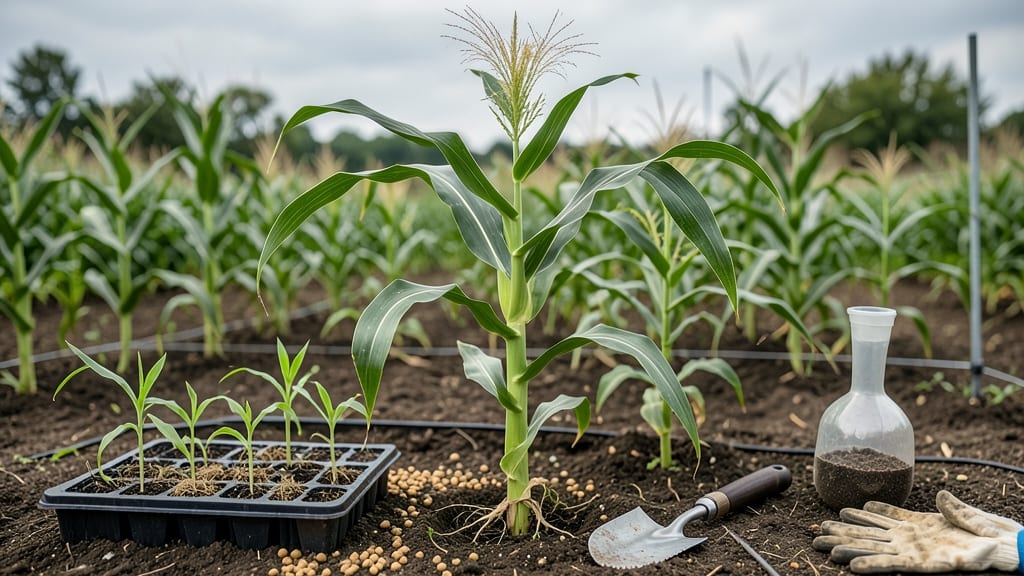
Timing your 🌽 corn planting in North Carolina isn't just about the calendar—it's about survival. One late frost or cool soil can turn your eager seedlings into sad, stunted plants before they even reach for the sun.
Whether you're in the humid Coastal Plain or the cooler Mountain regions, getting this right means the difference between a garden full of golden ears and a sad, empty patch.
The key lies in understanding your zone's frost-free deadlines and soil temperature thresholds. In Raleigh's Zone 7b, you might be racing against a last frost in early April, while Asheville's Zone 6b gardeners need to wait until mid-May.
But here's the game-changer: even when the calendar says "go," your soil might still be too cold for those corn seeds to wake up properly.
I'll walk you through exactly when to plant in each of North Carolina's distinct growing regions, including the 50-60°F soil temperature rule that separates successful harvests from disappointing failures.
You'll discover how to read your local microclimate, adjust for early vs. late varieties, and even salvage late plantings with the right tricks.
Ready to turn your corn patch into a thriving summer staple? Let's dive into the science—and the secrets—that will help your 🌽 corn thrive from seed to harvest, no matter where you garden in the Tar Heel State.
North Carolina corn planting calendar: frost-free dates & hardiness zones
North Carolina spans USDA hardiness zones 6b through 8a, meaning frost dates vary dramatically from the Coastal Plain to the Mountains. In the Piedmont region (like Raleigh), you’ll typically see your last frost around mid-April, while mountain areas (Asheville) may wait until late May.
These differences directly impact when you should plant corn for optimal yields.
Corn thrives when planted 30-60 days before your first expected frost in fall. For North Carolina, this means starting seeds indoors or direct-sowing outdoors between late March and early June, depending on your zone.
Early varieties like 'Silver Queen' (70-day harvest) can be planted as soon as soil warms, while late-season varieties need to go in by mid-June to mature before frost.
Here’s how to align your planting with North Carolina’s three distinct climate regions:
| Region | USDA Zone | Avg. Last Frost | Ideal Planting Window | Notes |
|---|---|---|---|---|
| Coastal Plain | 7b-8a | Mid-March to early April | Late March - early May | Humidity helps germination; watch for fungal diseases. |
| Piedmont | 6b-7a | Mid-April | Late April - early June | Best for sweet corn varieties; soil warms faster than mountains. |
| Mountains | 6b-7a | Late May | Early May - mid-June | Shorter season; choose quick-maturing varieties like 'Peaches and Cream'. |
For Raleigh (Zone 7b), aim to plant corn between April 15 and May 15 for a summer harvest. In Charlotte (Zone 8a), you can start as early as March 20, while Asheville (Zone 6b) gardeners should wait until May 1 to avoid frost damage.
Always check your local Cooperative Extension Service for year-specific frost data, as microclimates can shift planting windows by weeks.
Corn planted too early in cool soil (below 50°F) risks rot and poor germination. Conversely, late plantings may not mature before fall frosts. Use 30-day varieties (like 'Early Sunglow') for late starts, but prioritize 60-90 day varieties for full-season harvests in most of NC.
Pro tip: Mark your calendar for Mother’s Day weekend (May 12-14) as a general guideline—this is when soil in most of NC reaches the ideal 60°F for planting. Adjust based on your specific microclimate or use a soil thermometer for precision.
If you’re growing popcorn or field corn, these varieties tolerate slightly cooler soils and can be planted 2-3 weeks earlier than sweet corn. However, they require longer growing seasons (100+ days), so mountain gardeners should focus on early-maturing types.
🌽 Remember: Corn needs consistent warmth to thrive, so don’t rush planting. A few extra weeks waiting for soil to warm can mean the difference between a bountiful harvest and a failed crop.
Soil temperature rules for corn in North Carolina: when to plant for maximum yield
Corn seeds won’t germinate until the soil reaches 50-60°F (10-15°C)—this is non-negotiable for North Carolina gardeners. Cold soil delays sprouting, leaving seedlings vulnerable to frost or rot.
I’ve learned the hard way that planting too early in the Piedmont region (like Raleigh) can mean waiting weeks for germination, while Coastal Plain areas (like Wilmington) may need to delay until late April.
Use a soil thermometer to check temperatures at a 2-inch depth—this is where corn roots first seek warmth. Morning readings are most accurate since soil cools overnight.
In Zone 7a (Asheville), I wait until mid-May when soil consistently hits 60°F, while in Zone 8a (Charlotte), early April often works if nights stay above freezing.
For sweet corn varieties, aim for a 30-60 day window between planting and harvest. Early varieties like ‘Silver Queen’ (65 days) can handle cooler soils, but dent corn (like ‘Pioneer 39T03’) needs warmer conditions for optimal yield.
I’ve planted ‘Early Sunglow’ in late April in the Mountains and still gotten great results—just with row covers for extra protection.
If your spring stays cool, consider starter fertilizer with phosphorus (P) to jumpstart root growth. I’ve had success with a 10-20-10 blend applied at planting time in the Piedmont, where April temperatures can fluctuate wildly.
For late plantings (after June), choose quick-maturing varieties like ‘Ambrosia’ (70 days) to avoid fall frost.
Watch for soil crusting after rain—corn seeds need direct contact with warm soil to germinate. If your garden soil feels cool to the touch (like a damp sponge), wait another week.
In Zone 6b (Western NC), I’ve delayed planting until early May rather than risk poor germination, and my yields have been just as good as earlier plantings.
Pro tip: Plant in blocks, not rows, to ensure even maturity—this lets you harvest all at once. In North Carolina’s heat, corn can bolt (go to seed) quickly, so stagger plantings every 2 weeks for a continuous harvest.
I’ve found that late June plantings in the Coastal Plain often produce the sweetest ears before fall frost hits.