
Plants
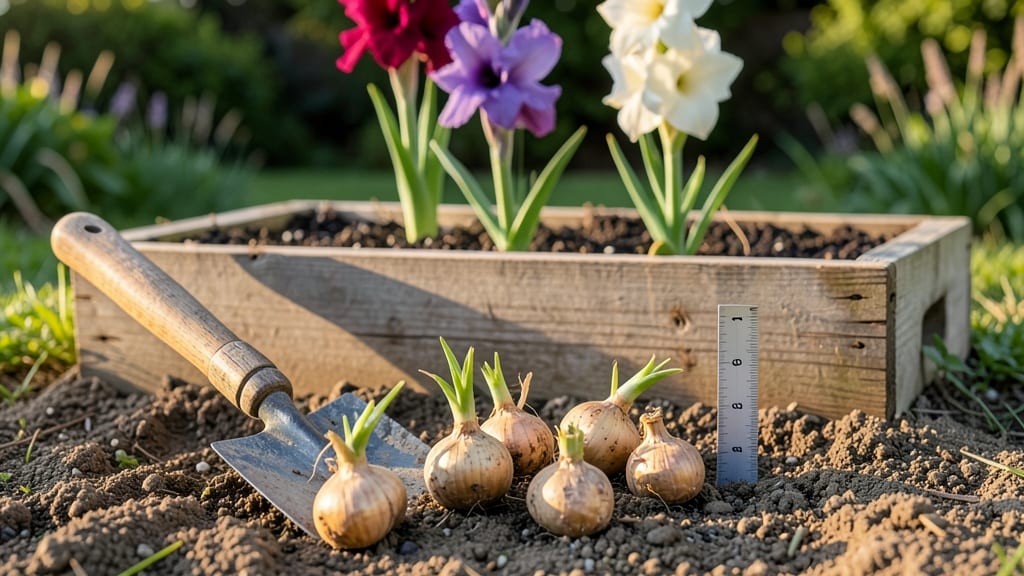
If you’ve ever struggled with when to plant gladiolus bulbs in Massachusetts and ended up with disappointing blooms, you’re not alone—timing is everything. Planting these dramatic, sword-like flowers at the wrong time can mean weak stems, delayed blooms, or even no flowers at all.
The key to vibrant summer displays lies in understanding your USDA Zone (typically 5–6b) and local frost dates, which shift dramatically between coastal and inland areas.
For gardeners in Massachusetts, the ideal window for planting gladiolus bulbs is late April to early May, once the soil has warmed to at least 60°F and the last frost has passed.
But here’s the catch: inland zones like Worcester or Springfield may need to plant a week earlier than coastal areas like Provincetown, where cooler ocean breezes delay soil warming.
Why does this matter? Because gladiolus bulbs need 90–120 days of warm weather to mature and flower. Plant too early, and cold snaps can stunt growth; too late, and you’ll miss the summer bloom window entirely.
I’ll break down exactly how to sync your planting with Massachusetts’ unpredictable climate—so you can enjoy those bold, 4–5-foot-tall blooms from July through September.
Let’s dive into the zone-specific strategies that will transform your garden from “meh” to “wow.” You’ll learn how to read soil cues, adjust for early/late seasons, and even troubleshoot common mistakes—like planting too deep or too shallow—that sabotage your glads before they ever bloom.
Massachusetts gladiolus planting calendar by USDA Zone (5-6b) for peak summer blooms
Massachusetts' USDA Zones 5-6b create a narrow window for planting gladiolus bulbs—miss it, and you risk stunted growth or late blooms. The key is planting 4-6 weeks after your last frost date, but exact timing varies by zone.
In Zone 5a (northern MA), aim for late May when soil warms to 60°F, while Zone 6b (southern MA) can start as early as mid-April.
Coastal areas like Cape Cod often see earlier last frosts (April 15), while inland zones like Pittsfield may wait until May 1. Always check your local frost-free date—the USDA Plant Hardiness Map or your local cooperative extension provides precise data for your town.
Gladiolus bulbs (or corms) need consistent warmth to sprout. Planting too early in cold soil (below 55°F) causes rot, while waiting too long reduces bloom time. For Zone 5b, the sweet spot is late April to early May—when soil reaches 60°F at 6-inch depth.
Here’s your zone-specific planting calendar to maximize summer blooms (July-September):
| USDA Zone | Last Frost Date | Ideal Planting Window | Soil Temp Requirement | Bloom Time |
|---|---|---|---|---|
| 5a (e.g., North Adams) | May 10 | Late May | 60°F+ at 6" | Mid-July to Sept |
| 5b (e.g., Worcester) | April 25 | Late April–Early May | 58°F+ at 6" | Early July–Sept |
| 6a (e.g., Boston) | April 15 | Mid-April–Late April | 55°F+ at 6" | Late June–Sept |
| 6b (e.g., Providence, RI) | April 5 | Early April–Mid-April | 50°F+ at 6" | June–Early Sept |
Pro tip: Use a soil thermometer to confirm 60°F soil temps before planting. If your area has unpredictable springs, opt for container gardening—gladiolus thrive in pots and can be moved indoors if frost threatens.
For coastal gardeners, the earlier window (Zone 6b) means you can stretch blooms into early September by planting early April. Inland zones (Zone 5a) should prioritize late May to avoid late frosts that can damage emerging shoots.
Remember: Gladiolus bulbs planted in fall (September) rarely survive MA winters—stick to spring planting for reliable results. Once planted, maintain consistent moisture and full sun to ensure those show-stopping spikes reach their full 3-5 ft height.
🌸
5 Critical factors that determine the best planting time for gladiolus in MA (beyond just dates)
Planting gladiolus bulbs in Massachusetts isn’t just about checking a calendar—soil temperature, daylight hours, and even corm size play starring roles.
I’ve learned that gladiolus corms need consistent warmth (at least 60°F soil temp) to sprout reliably, which often means waiting until late April or early May, even if frost risks linger. Coastal areas like Boston may warm up faster than inland Worcester, so local microclimates matter.
Another game-changer is daylight length. Gladiolus thrive with 14+ hours of daylight, which Massachusetts hits by late May. Planting too early (before May 1) can stretch out blooming time, leaving you with taller but fewer flowers.
I’ve seen gardeners in Zone 5b push planting to early June for late-summer blooms—just be ready for shorter stems.
Don’t overlook moisture levels. Gladiolus bulbs rot if planted in soggy soil, so I always check for well-draining beds before planting.
A simple test: Dig a hole, fill it with water, and if it drains in under an hour, it’s safe. Consistent moisture after planting is key—too little stunts growth, while too much invites fungal diseases like botrytis. My trick?
Use a moisture meter or stick your finger 2 inches deep; it should feel damp but not wet.
Corm size also affects timing. Large corms (2+ inches wide) can handle slightly earlier planting (late April), while smaller corms often need to wait until soil warms fully. I once planted miniature gladiolus in March and lost them to frost—lesson learned!
For reliable blooms, I now sort corms by size and plant large ones first, then smaller ones 2 weeks later.
Here’s where frost dates become tricky. While most MA gardeners aim for 4-6 weeks after last frost, I’ve seen success with early June planting in protected microclimates (like near south-facing walls).
The trade-off? Later blooms but stronger stems. For cut flowers, this delay can actually improve quality since plants mature in cooler summer temps.
Finally, local weather patterns override general rules. I track 7-day forecasts before planting—if rain is predicted, I delay to avoid waterlogged soil. In 2022’s unusually cold spring, I waited until May 15 in Zone 5a and still got vibrant blooms by August.
The key? Flexibility. Adjust your timeline based on actual soil conditions, not just average dates.
🌱
- Soil Temperature
- Daylight Hours
- Moisture Balance
- Corm Size
- Local Weather
Pro tip: Use black plastic mulch to warm soil faster in early spring—it can shave 1-2 weeks off your planting timeline. Just remove it once flowers emerge to prevent overheating.
For container gardening, I’ve had success planting in deep pots (12"+) and moving them to sunny spots after last frost, which gives me more control over timing.
Remember, gladiolus are forgiving if you adjust care afterward. Even if timing isn’t perfect, focus on full sun, rich soil, and consistent watering—your plants will reward you with those iconic spike-like blooms from July through frost.
The key is paying attention to what your soil and plants tell you, not just the calendar.