
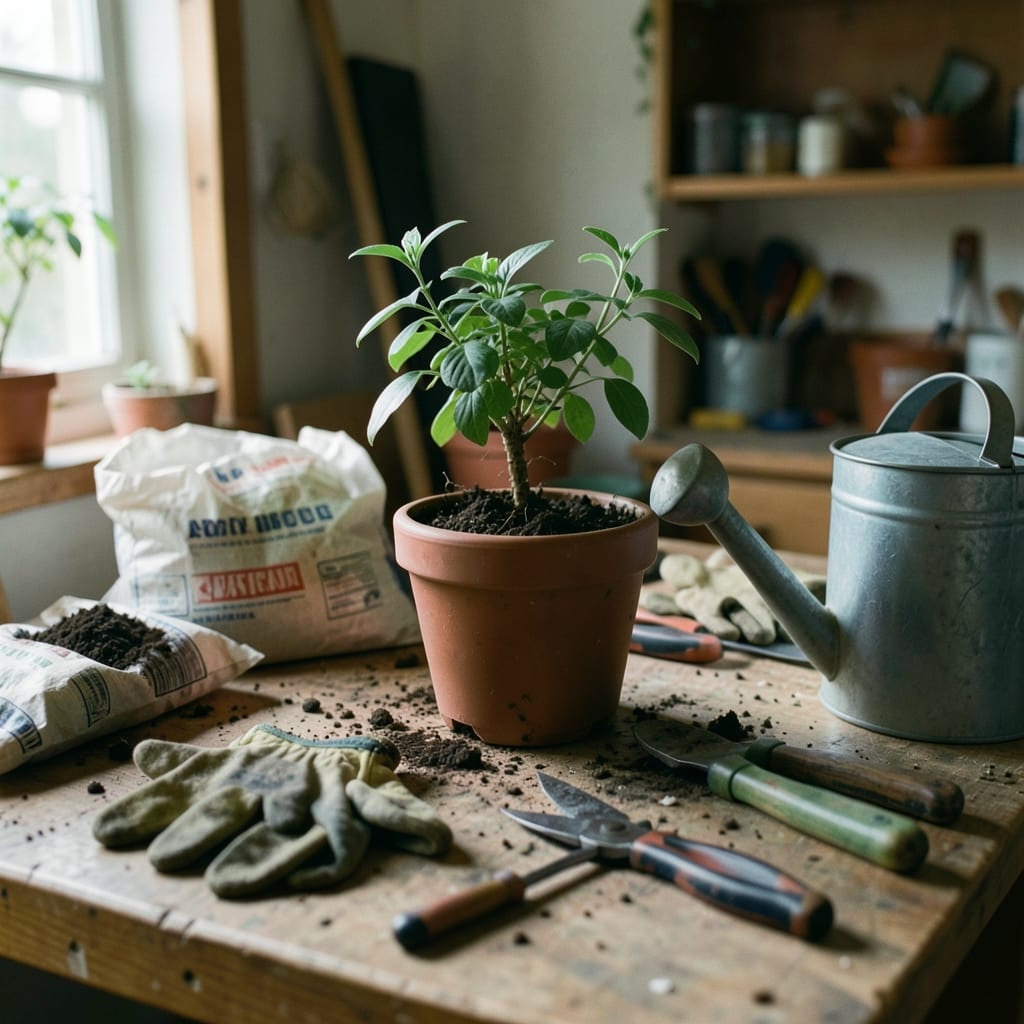
What this site is
Plant Patch is for anyone who wants to grow something—whether it’s a single basil plant on a windowsill or a full backyard raised bed. We focus on the practical: what works, what fails, and how to tell the difference before you dig.
This is not a catalog of rare or exotic plants. It’s about the ones that thrive in ordinary soil, under imperfect conditions, with the tools you already have. No greenhouse required.
| What you will find here | What you will not |
|---|---|
| Seasonal planting guides for your region | Advice for commercial growers or large-scale farms |
| Troubleshooting dead plants and soil problems | Perfectly executed garden photos with no flaws |
| Simple tools and low-cost solutions | Expensive gear or sponsored product reviews |
| Lessons from failed experiments | Only success stories with no mistakes |
Meet the author

This is Vince Ruggiero, the person who still checks the soil pH after every rain.
A day in the garden
- 15:40 a.m.
I’m outside in my socks, pulling weeds by the garage before the dew burns off. The soil smells like wet earth and last night’s rain. The first tomato seedlings have sprouted—just two, but I pretend I didn’t notice the third packet got chewed by squirrels.
- 2Just after the school run
I’m kneeling in the back seat, repotting a basil plant that’s outgrown its pot. The kids ask why I’m ‘playing with dirt’ again. The roots are tangled, and half of them break off when I pull them free—no big deal, but it’s the third time this month.
- 3The hour before dinner
I’m on the deck, pruning dead leaves from the rosemary bush with scissors that are always too dull. The neighbor’s cat watches from the fence, tail flicking. I swear the bush looks smaller than it did this morning, but I don’t measure it.
- 4After dark
I’m inside, writing notes by flashlight. The compost bin is overflowing, and I’ve already forgotten which pile is ‘ready’ and which is still steaming. The dog rolls in it anyway.
- 511:30 p.m.
I’m in bed, but my hands are still dirty. I’ve just realized the zucchini plants I swore were ‘self-pollinating’ need help with a paintbrush. Tomorrow. Maybe.
I keep a small notebook by the back door where I jot down what died and why. It’s the only way to remember which mistakes are worth repeating.
The rules we hold ourselves to
These are the limits we set before we start digging.
Every tip, tool, or technique here has been tested at least twice—once in ideal conditions, once in the mess of a real garden. If it fails the second time, it doesn’t get written down.
We answer the questions that actually get asked, not the ones we think sound clever. If you’re Googling ‘why is my fern turning brown,’ that’s what we write about—no fluff, no assumptions.
This means fewer ‘hot takes’ on viral gardening trends and more time spent watching what actually grows. Some readers leave because of it—but the ones who stay get answers that last.
What we still get wrong
We overcomplicate soil tests. Most home gardeners don’t need a lab report—they need a cheap kit and a willingness to amend the dirt based on color and smell. We’re fixing this by adding a ‘soil hack’ section to every guide.
We underestimate how little most people water. ‘Deep and infrequent’ sounds good in theory, but it’s not how anyone lives. Next month, we’re adding a ‘lazy gardener’s schedule’ for those who forget until the plants wilt.
How to reach us
We love hearing about what grew, what didn’t, and the weird things that happened in between. If you’ve got a photo of a plant you’re proud of (or baffled by), or a tip that saved your garden, tell us about it on the contact page.
The guides are grouped by category: Advice, Aphids, Blooming, Companion Plants, Container Gardens and Diseases.