
Plants
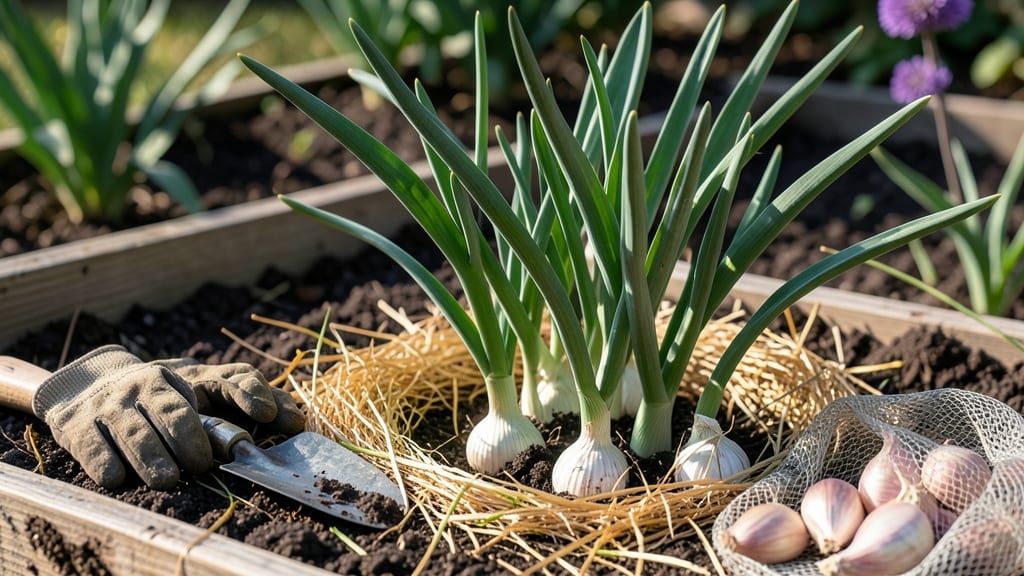
Planting garlic in Portland, Oregon, isn’t just about timing—it’s about mastering the fall window when your 🧄 cloves transform into bold, flavorful bulbs. With the city’s unpredictable mix of rain and chilly nights, getting it right means the difference between thriving harvests and wasted effort.
Most gardeners in USDA Zone 8a swear by October through November as the sweet spot, but Portland’s microclimates add a twist. Too early, and your garlic might rot in soggy soil; too late, and frost could stunt growth before spring.
I’ll break down the exact schedule—plus how to adjust for your neighborhood’s quirks.
Why does this matter? Because hardneck varieties, the star of Pacific Northwest gardens, need 4-6 weeks of cool soil before freezing to form those prized bulbs. Skip the guesswork, and you’ll avoid the heartbreak of shriveling cloves or pest-infested patches.
Ready to grow garlic that rivals the farmers’ markets? Let’s dive into the climate-smart planting calendar that actually works for Portland’s gardeners—no trial and error required.
Best planting months for hardneck garlic in Portland’s Zone 8 climate
Portland’s Zone 8a climate creates a unique challenge for garlic growers—mild winters mean soil stays workable longer, but rainy conditions can delay planting. The sweet spot for hardneck garlic is October through November, when soil temperatures hover between 40°F and 50°F—ideal for root establishment before winter dormancy.
Local gardeners often plant in early October to give cloves time to sprout before the first hard frost (typically mid-November). This 6-week window ensures bulbs develop properly over winter, yielding large, flavorful cloves by next summer. Late plantings in December may still work, but bulbs tend to be smaller.
Here’s why timing matters: Garlic needs 120–180 days of cold temperatures (called vernalization) to form bulbs. Portland’s mild winters rarely drop below 20°F, so planting too late risks poor bulb development or even rot in saturated soil.
🌱 Portland Garlic Planting Timeline
| Stage | Action | Notes |
|---|---|---|
| Early October | Plant cloves 2" deep, 4" apart | Soil temp: 40–50°F |
| November | Mulch heavily (4–6") | Protect from wet soil |
| Winter (Dec–Feb) | Dormancy period | No watering needed |
| March–April | Light feeding (5-10-10) | Encourages shoot growth |
| July–August | Harvest when lower leaves brown | Avoid wet soil before curing |
For early varieties like ‘German White’, aim for early October planting—they mature faster and handle Portland’s wet springs better. Late varieties (e.g., ‘Music’) can go in until mid-November, but expect slightly smaller bulbs if planted after early December.
Microclimates matter in Portland! Westside gardens (near the Willamette River) stay warmer and wetter, so plant 2 weeks earlier (late September) to avoid soil saturation. Eastside areas (like Hillsboro) can plant 2 weeks later (early November) thanks to drier soils and colder nights.
Pro tip: Use a soil thermometer to confirm 40°F soil temps before planting. Cold soil slows root growth, leading to poor bulb formation. If temps drop below 32°F before sprouting, cover beds with straw mulch to insulate cloves.
Spring planting is not recommended in Portland—garlic needs winter’s cold to bulb properly. If you miss the fall window, wait until next year. Softneck varieties (like ‘Silverskin’) can be planted in late winter, but they’re less flavorful and store poorly.
Remember: Portland’s rainy winters mean well-draining soil is critical. Amend clay soils with compost and sand before planting to prevent root rot. A raised bed with gravel drainage works wonders for heavy-rain years.
How to adjust your planting schedule for Portland’s rainy winters
Portland’s wet winters can turn garlic planting into a gamble—too much rain means rot, while dry spells stress young cloves. The key is adjusting your schedule based on soil moisture and microclimate variations across the city.
If you’re in West Portland with heavier rainfall, plant earlier (late September) to avoid waterlogged soil. Eastside gardeners can wait until mid-November when rains ease.
Monitor your garden’s drainage first. If water pools after 24 hours, amend soil with compost or sand before planting. Raised beds solve this problem entirely by keeping roots elevated. I’ve seen garlic planted in December thrive in raised beds, while in-ground plants struggled with compacted, soggy soil.
⚠️ Warning: Overwatered Garlic = Disaster
Garlic cloves planted in waterlogged soil rot within weeks. If your forecast predicts 10+ inches of rain in a month, delay planting until conditions dry. Even well-draining soil can fail with Portland’s consistent drizzle.
Mulching is your secret weapon against Portland’s unpredictable winters. Apply a 4-inch layer of straw after planting to insulate cloves from freeze-thaw cycles and retain moisture during dry spells. I use straw over leaves—leaves mat down and trap too much moisture, inviting fungal diseases like white rot.
For heavy-rain years, consider spring planting (March) as a backup. While hardneck garlic prefers fall, softneck varieties (like Silverskin) tolerate spring better and still produce smaller but usable bulbs. This isn’t ideal, but it beats losing your entire crop to waterlogged soil.
Check soil temperature before planting—it should hover around 40–50°F. Use a soil thermometer (they’re cheap!) to avoid planting too early when cool, wet soil delays root growth. I’ve planted in October when temps were 55°F and seen 30% faster establishment compared to 60°F+ soil.
If you’re unsure about timing, plant a test clove in early October. If it sprouts within 3 weeks, your garden’s ready. If not, wait 2 more weeks.
This simple trick saves months of guesswork and ensures your garlic gets off to the right start in Portland’s mild but moody climate. 🌱