
Plants
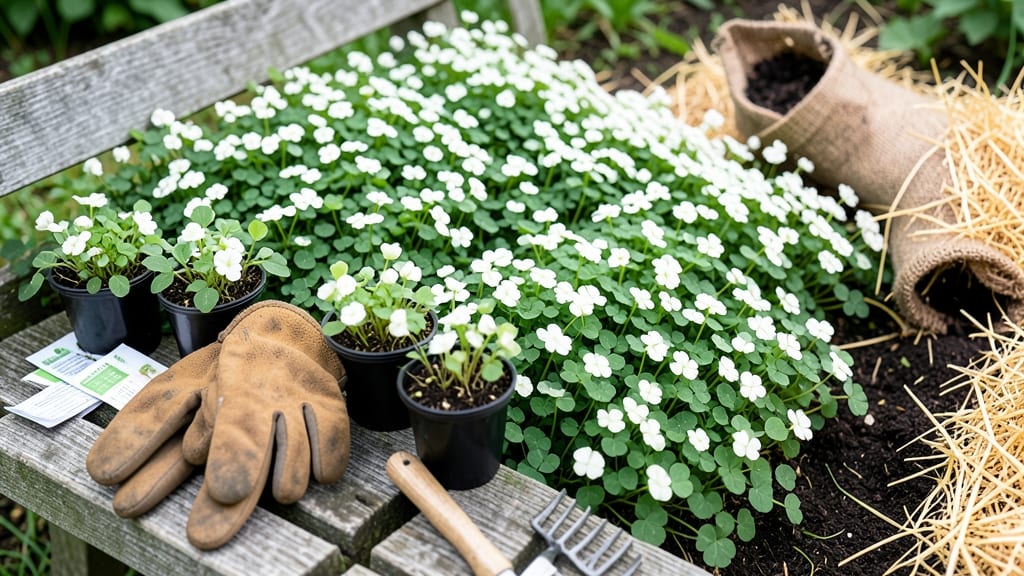
Timing your clover planting in Indiana right could mean the difference between a thriving, nitrogen-rich lawn and wasted seeds. With Indiana’s USDA Zones 5b-6b climate, getting the window just right—whether in spring or fall—is key to success.
Most gardeners in Indiana know clover is a powerhouse for soil health, but planting it too early risks frost damage, while waiting too late can leave your garden missing out on its benefits. I’ll break down the exact frost-free deadlines and soil prep tips tailored to your local microclimate.
Whether you’re growing Dutch white clover for a lush lawn or red clover for forage, the right planting schedule makes all the difference. Let’s dive into the best months, soil conditions, and variety-specific advice to set your clover up for success.
From adjusting for northern Indiana’s cooler springs to southern Indiana’s extended growing seasons, you’ll learn how to time it perfectly—so you can enjoy clover’s full potential without the guesswork.
Optimal planting windows for clover in Indiana’s USDA Zones 5 & 6
Indiana’s USDA Zones 5b-6b offer two prime windows for planting clover: early spring and early fall. Timing matters because clover thrives in soil temperatures between 60°F and 70°F, avoiding both freezing and extreme heat.
Northern Indiana (Zone 5b) has slightly earlier frost dates than southern Indiana (Zone 6b), so adjust your schedule accordingly.
For spring planting, aim for mid-March to early April—right after the average last frost date of April 15. This gives seedlings time to establish before summer heat. In fall, plant 4-6 weeks before the first frost (around October 15), typically between mid-August and early September.
Soil temperature is your best guide: use a soil thermometer to confirm it’s above 50°F before planting. Cold soil delays germination, while waiting too long risks summer drought stress. Microclimates near bodies of water or urban areas may extend your window by 1-2 weeks.
🌱
| Planting Window | USDA Zone 5b | USDA Zone 6b | Key Considerations |
|---|---|---|---|
| Spring Planting | Mid-March to April 15 | Late March to April 30 | Soil temp ≥50°F; avoid late frosts |
| Fall Planting | August 15 to September 15 | Late August to October 1 | 4-6 weeks before first frost; soil temp ≥60°F |
| Soil Prep | Test pH (6.0-7.0); loosen top 2" | Test pH (6.0-7.0); loosen top 2" | Remove weeds; add compost for fertility |
| Seed Depth | 1/4 inch deep | 1/4 inch deep | Lightly rake soil after sowing |
| Germination Time | 7-14 days | 7-14 days | Keep soil moist until sprouts appear |
In northern Indiana, where frosts linger longer, wait until mid-April for spring planting to avoid seedling damage. Southern Indiana’s longer growing season allows for a 2-week extension in both spring and fall.
For example, in Zone 6b, you can plant red clover as late as early October if soil temps remain above 50°F.
Always check your local Indiana State Climate Office for 3-year frost averages, as microclimates near lakes (like Lake Michigan) can delay spring frosts by 10-14 days. If you’re unsure, use biodegradable seed blankets to protect young seedlings from unexpected late frosts.
For pasture mixes, combine clover with cool-season grasses like Kentucky bluegrass for year-round ground cover. In lawns, overseed clover in late summer to fill bare spots before winter dormancy. Always water lightly after planting to settle seeds into the soil.
💧
One common mistake is planting clover too early in spring when soil is still cold. Seeds may rot before germinating. Conversely, planting too late in fall risks insufficient root growth before frost.
Use a seed germination calculator to estimate your local window—Indiana’s 165 frost-free days give you flexibility, but precision pays off.
Pro tip: If you miss the ideal window, fall planting is safer than spring for clover. Fall seedlings establish roots before winter, emerging stronger in spring. Just ensure your variety is winter-hardy (most Indiana-adapted clovers are).
☀️
How to adjust planting dates for clover varieties in Indiana
Indiana’s USDA Zones 5b-6b offer flexibility for planting different clover varieties, but each type thrives best with specific timing. Red clover, for example, prefers cooler soil temperatures, while white clover adapts more easily to warmer conditions.
Alsike clover falls somewhere in between, making it a versatile choice for Indiana gardens.
Understanding these differences ensures your clover establishes strong roots before summer heat or winter frost sets in.
For instance, red clover should be planted 4-6 weeks before the last frost (typically late March to early April), while white clover can handle slightly later sowing (April to early May) due to its drought tolerance.
Fall planting also varies: red clover benefits from late summer to early fall (August-September) to establish roots before winter, whereas white clover can be sown as late as October in milder microclimates. Alsike clover, being more cold-hardy, aligns closely with red clover’s schedule.
| Variety | Spring Planting Window | Fall Planting Window | Key Adaptation |
|---|---|---|---|
| Red Clover | Late March–Early April | August–September | Prefers cooler soil; establishes quickly |
| White Clover | April–Early May | September–October (milder zones) | Drought-tolerant; handles warmer soil |
| Alsike Clover | Late March–Early April | August–September | Cold-hardy; similar to red clover |
For northern Indiana (Zone 5b), aim for earlier planting dates (e.g., late March) to avoid late frosts, while southern Indiana (Zone 6b) can extend windows slightly (e.g., early May for white clover). Always check your local last frost date—Indiana’s ranges from April 1-15—and adjust accordingly.
Pro tip: Mix varieties for year-round benefits. Red clover adds nitrogen early in the season, while white clover thrives in summer heat. Alsike clover bridges the gap, offering winter hardiness and late-season forage.
If you’re unsure which variety suits your garden best, start with white clover—it’s the most adaptable and forgiving for Indiana’s variable climate. For pastures or larger plots, red clover is ideal for its rapid growth and soil-enriching properties.