
How To
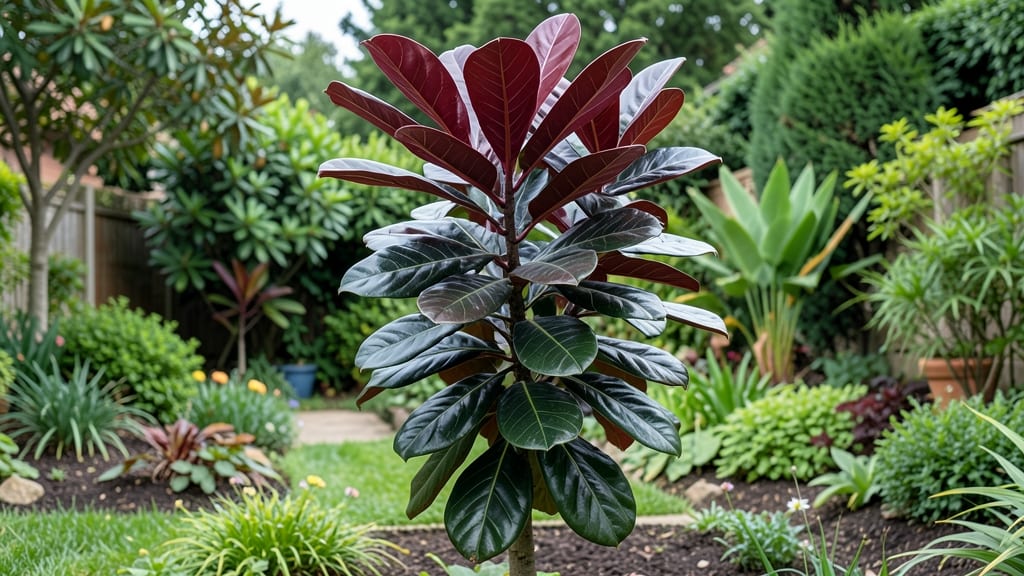
If you're wondering how tall does rubber plant grow, you're in for a surprise—these glossy-leaved beauties can become either a compact tabletop star or a towering indoor jungle, depending on the variety and care you provide. 🌿 With some types reaching heights of 10 feet indoors or even 60 feet outdoors, it's easy to see why they're a favorite for both small apartments and grand living rooms.
But here's the thing: not all rubber plants grow the same way. Some varieties stay on the shorter side, perfect for shelves or desks, while others shoot up like sky-scrapers if left unchecked. The good news? You can control their height with simple pruning techniques and the right growing conditions.
Whether you want a 3-foot statement piece or a 10-foot living room centerpiece, I'll show you exactly how to get the size you're after.
Let's break down the exact height ranges for popular varieties—like the classic 'Robusta' or the striking 'Tineke'—so you can pick the perfect fit for your space.
Plus, I'll share the secrets to managing their growth, from light exposure to pruning tips that'll keep your rubber plant at just the right height. Ready to transform your home with this versatile plant?
You'll also discover how quickly these plants grow (spoiler: it's faster than you think!) and the best ways to encourage bushier growth instead of a single, lanky stem.
Whether you're a beginner or a seasoned plant parent, these insights will help you grow a rubber plant that's both stunning and perfectly sized for your home. Let's get started!


Rubber plant height ranges by variety: from compact to floor-filling giants
The rubber plant (Ficus elastica) is famous for its dramatic height variations, ranging from 3-foot tabletop gems to 10-foot indoor giants. Your choice of variety determines not just height but also growth rate and leaf size.
For example, the 'Tineke' variety stays compact, while 'Robusta' can reach ceiling heights in just a few years. Understanding these differences helps you select the perfect plant for your space and care style.
Most rubber plants grow 1-2 feet per year indoors, but some varieties like 'Variegata' grow slower due to their energy demands for variegated foliage. Outdoor rubber plants in tropical climates can even reach 60 feet tall—though that’s rare for home gardeners!
Let’s explore the most popular varieties and their mature heights to help you plan your space.
If you’re working with limited ceiling height, 'Tineke' or 'Burgundy' are excellent choices, while 'Robusta' thrives in open-concept spaces or greenhouses. The variegated varieties often grow slightly slower but offer stunning foliage patterns that make them worth the extra care.
For instance, 'Variegata'’s creamy white edges slow its growth but create a show-stopping display.
Another key factor is light exposure. Rubber plants in bright indirect light (like an east-facing window) grow faster and taller than those in low-light corners. If you notice your plant stretching toward a light source, it’s a sign it needs more illumination to maintain a compact shape.
Conversely, too much direct sun can scorch leaves and stunt growth, so balance is critical.
Pot size also plays a role in height control. A smaller pot restricts root growth, which can slow vertical expansion, while a large container encourages faster, taller growth.
For example, a 10-inch pot might keep a 'Robusta' at 6 feet, while a 16-inch pot could push it toward 10 feet in just 3–4 years. Always choose a pot with drainage holes to prevent root rot, which can weaken the plant and affect its growth trajectory.
For those who love bushier growth, pruning is your best friend. Regular trimming encourages lateral branches to form, creating a fuller, more compact plant. I’ve seen 'Robusta' plants that would’ve grown to 10 feet left unpruned, but with consistent pruning, they stay around 5–6 feet while filling out beautifully.
Pruning also makes it easier to propagate new plants from cuttings, so you can expand your collection without spending a dime.
Outdoor rubber plants in tropical climates can reach 60 feet tall, but this is rare for home gardeners. In ideal conditions—like a humid greenhouse or outdoor tropical garden—these plants grow aggressively. However, most homeowners grow rubber plants indoors, where heights typically max out at 10 feet.
If you’re aiming for a floor-filling statement plant, give your 'Robusta' plenty of space and bright light.
Pro tip: If you’re unsure about a variety’s mature size, check the leaf size as a clue. Larger leaves (like on 'Robusta') often indicate faster growth and taller plants, while smaller leaves (like on 'Tineke') suggest slower, more compact growth.
This visual cue can help you predict height before you even buy the plant.
Finally, remember that rubber plants are adaptable. With the right care—balancing light, water, and pruning—you can guide your plant’s growth to fit your space perfectly. Whether you want a 3-foot desk companion or a 10-foot living room centerpiece, there’s a rubber plant variety that’s just right for you.
Factors that influence rubber plant growth height (and how to control it)
Your rubber plant’s height isn’t set in stone—it’s shaped by its environment and the care you provide. Understanding these key factors lets you guide its growth toward your ideal size, whether you want a compact tabletop plant or a towering indoor tree.
Light exposure, pruning habits, and even pot size play starring roles in determining how tall your Ficus elastica becomes.
First, let’s tackle light exposure, the most critical factor. Rubber plants crave bright, indirect light to thrive, but too little light stunts growth while too much can scorch leaves. Place yours near an east-facing window for balanced growth, or use a grow light if natural light is limited.
Without enough light, your plant may grow slowly and leggy, reaching for sunlight and stretching vertically.
Next, consider pruning habits. Regular pruning isn’t just about aesthetics—it’s a powerful tool to control height and encourage bushiness. By pinching back the top growth or cutting stems at leaf nodes, you signal the plant to focus energy on lateral branches instead of vertical growth.
This technique is especially useful for variegated varieties, which can become top-heavy without support.
Don’t overlook the role of pot size and root space. Rubber plants grow faster when root-bound, but a pot that’s too large can lead to excessive water retention and slower vertical growth.
Choose a container that’s only 1-2 inches larger than the plant’s current root ball, and upgrade gradually as your plant matures. This practice keeps growth controlled and manageable.
Humidity levels also play a subtle but important role. Rubber plants thrive in moderate to high humidity (40-60%), which encourages steady, balanced growth. In dry indoor environments, growth may slow or become uneven, leading to leggy stems.
Use a pebble tray or humidifier to maintain ideal conditions and promote healthy, compact growth patterns.
Finally, fertilization frequency impacts height. Over-fertilizing can lead to rapid but weak growth, while under-fertilizing stunts development. Stick to a balanced liquid fertilizer (like 10-10-10) applied every 4-6 weeks during spring and summer. This ensures your plant grows strong and upright without becoming top-heavy or prone to falling.
By mastering these factors, you’ll gain full control over your rubber plant’s height—whether you’re aiming for a 3-foot tabletop specimen or a 10-foot indoor statement piece. The key is consistency: monitor light, prune regularly, and adjust care as your plant matures.
With the right approach, your rubber plant will grow exactly as you envision it! 🌿
Pros & Cons of Growth Factors for Rubber Plants
✅ Encourages balanced growth
❌ Too much sun causes leaf scorch
✅ Controls height and shape
❌ Over-pruning can stress the plant
✅ Promotes steady growth
❌ Low humidity causes leggy stems
✅ Supports strong vertical growth
❌ Over-fertilizing causes weak stems