
Planting
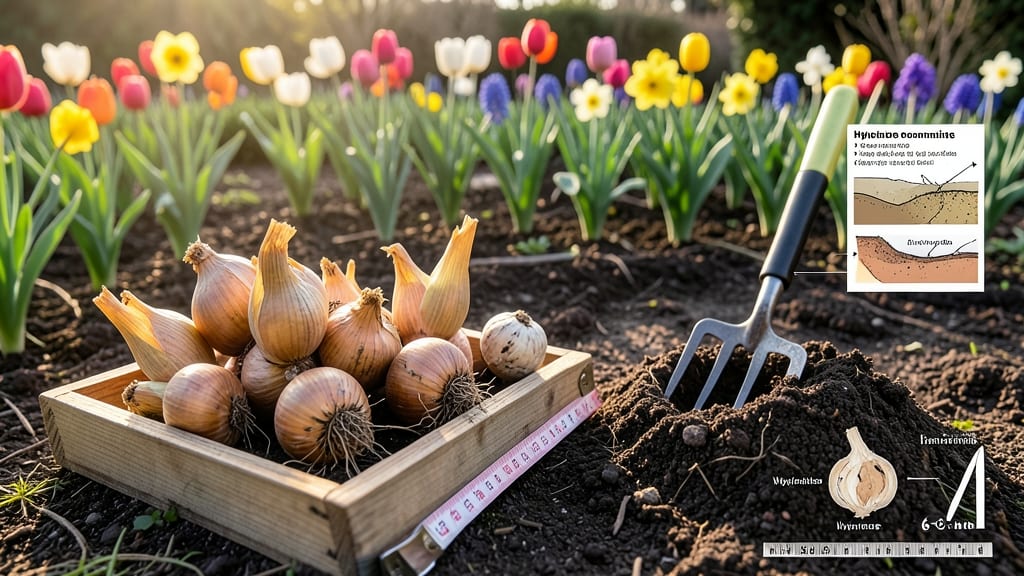
Planting flower bulbs 🌷 at the right time in fall is the secret to waking up next spring to a garden bursting with color. The key isn't just waiting for autumn—it's understanding your local frost dates and soil conditions to give those bulbs the perfect head start.
For most gardeners in USDA Zone 6a (and similar climates), the ideal window is 6-8 weeks before your first frost, typically landing in September or early October. This timing lets bulbs establish strong roots before winter dormancy, setting you up for vibrant blooms by spring.
But here's what most people miss: not all bulbs are created equal. Some varieties, like daffodils and crocuses, are hardier and bloom earlier, while others need that extra chill period.
I'll show you exactly which ones thrive in your zone and how to adjust if your fall runs short or long.
Whether you're a beginner or a seasoned gardener, these practical tips will help you avoid common mistakes—like planting too deep or skipping soil prep—that can leave your bulbs struggling. Let's get those roots growing right this fall!
Best fall planting timeline for flower bulbs by US hardiness zones
Timing is everything when planting flower bulbs in the fall—get it right, and you’ll enjoy bold spring blooms; get it wrong, and your bulbs may rot before they even sprout.
The key is planting 6-8 weeks before your first frost, giving roots time to establish in cool soil while avoiding winter dormancy too early.
Your USDA hardiness zone determines the exact window. For example, gardeners in Zone 3 (like Minnesota) should plant by mid-September, while those in Zone 10 (like Southern California) can wait until November. Soil temperatures below 60°F (15°C) signal it’s time to plant—use a soil thermometer if unsure.
| USDA Zone | Ideal Planting Window | Soil Temp Threshold | Late-Fall Adjustment |
|---|---|---|---|
| 3-4 | Mid-August to mid-September | Below 60°F (15°C) | Plant earlier; cover with mulch if frost threatens |
| 5-6 | Late September to early October | Below 55°F (13°C) | Can plant up to 2 weeks before frost; mulch heavily |
| 7-8 | October to early November | Below 50°F (10°C) | Plant by Halloween; avoid soggy soil |
| 9-10 | November to early December | Below 45°F (7°C) | Plant after first frost; use shade cloth if warm |
If you miss the ideal window, don’t panic! Bulbs planted 4-6 weeks before frost can still survive with extra mulch (3-4 inches) to insulate roots. For example, in Zone 6, planting through mid-November works if you mulch with straw or leaves.
Just avoid planting when the ground is frozen or waterlogged.
Pro tip: Mark your calendar using your average first frost date (find it via the USDA Plant Hardiness Map). For instance, if your frost date is November 15, aim to plant by October 1. This gives bulbs 6 weeks to root before winter sets in.
Regional tweaks matter too. In cooler climates (Zones 3-5), prioritize early planting to prevent rot from fall rains. In warmer zones (7-10), wait until soil cools below 60°F to mimic natural dormancy cues. Always dig a test hole—if soil feels damp but not soggy, it’s ready.
For container gardening, follow the same zone rules but use well-draining potting mix and plant bulbs in shallow pots (they’re closer to the surface). Move containers to a garage or sheltered spot if frost is forecasted before planting. This protects tender roots while keeping them accessible for watering.
Don’t overlook bulb size when timing your plant. Larger bulbs (like tulips or daffodils) establish roots faster, so they tolerate later planting. Smaller bulbs (like crocuses or snowdrops) need earlier planting—aim for August-September in colder zones.
Check the bulb packaging for specific chill-hour requirements (e.g., 10-12 weeks below 40°F for tulips).
Finally, test your soil’s drainage before planting. Poor drainage in fall can drown bulbs before winter. Dig a hole, fill it with water, and time how long it takes to drain—if it’s still wet after 24 hours, amend with compost or sand.
Well-drained soil is non-negotiable for fall-planted bulbs.
With the right timing, your fall-planted bulbs will reward you with earlier, more vibrant blooms next spring. Start now, and you’ll be the first neighbor to admire those cheerful daffodils peeking through the snow! 🌷
Best fall planting timeline for flower bulbs by US hardiness zones
Timing is everything when planting flower bulbs in the fall—too early, and they’ll sprout; too late, and they won’t root before winter. The ideal window is 6-8 weeks before your first frost, giving bulbs time to establish roots while avoiding early spring growth.
For USDA Zones 3-10, this typically means September through early November, but exact dates vary by region.
In northern zones (3-5), where winters are harsh, aim to plant by mid-October—soil should still be workable but cooling fast. Gardeners in southern zones (7-10) have more flexibility, with November or even December often suitable, as mild winters delay frost.
Always check your local last frost date and adjust accordingly.
Soil temperature is your best guide: bulbs need 40–50°F soil to root but not sprout. Use a soil thermometer or dig down 4–6 inches—if the ground feels cold to the touch, it’s time to plant. In Zone 6a (like my garden!), this usually aligns with late September to early October.
| Zone | Ideal Planting Month | Soil Temp Threshold | Notes |
|---|---|---|---|
| 3–5 | September–mid-October | 40–50°F | Early frost risk; prioritize hardy bulbs like daffodils. |
| 6–8 | Late September–November | 45–55°F | Flexible window; tulips thrive here with 6 weeks of chill. |
| 9–10 | October–December | 50–60°F | Mild winters; plant crocuses and alliums for early blooms. |
For late fall planting (after your zone’s ideal window), focus on cold-hardy bulbs like snowdrops or squirrel corn, which tolerate winter planting.
If you miss the window entirely, store bulbs in a cool, dark place (like a garage) and replant next fall. Pro tip: Label your bulbs by variety and planting date to track performance!
Adjust for early frost warnings by planting 2–3 weeks sooner—bulbs need 4–6 weeks of root growth before winter. In my garden, I’ve learned that tulips planted in late October often bloom later than those planted in early September, but the trade-off is worth it for a longer display.
Mulch heavily after planting to insulate roots!
Remember: bulb size matters. Larger bulbs (like dahlias) need deeper planting and earlier starts, while tiny crocuses can go in shallow and late. Always plant bulbs pointy-end up, and water thoroughly after planting to settle the soil. Happy digging! 🌱