
Plants
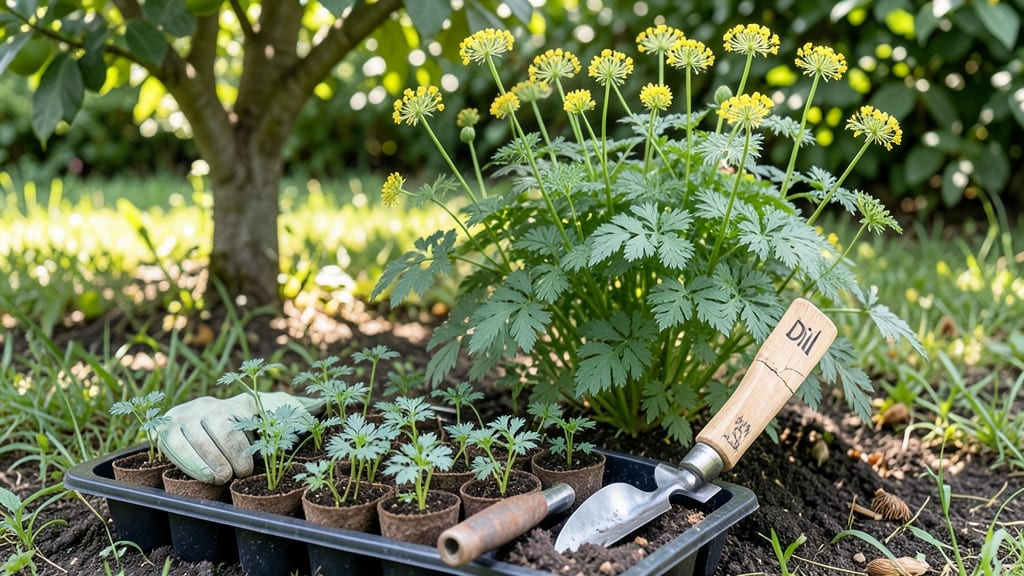
If you've ever wondered when to plant dill in Oregon without risking frost damage, the answer depends on where you live in the state.
Whether you're in the lush Willamette Valley or the drier inland regions, timing your dill planting just right can mean the difference between a thriving herb garden and a sad, wilted disappointment.
Oregon's USDA Zones 7b-9a offer two prime windows for planting dill: early spring and late summer. The key is avoiding those pesky late frosts that can sneak in as late as mid-April in some areas.
I'll break down the exact frost-free timelines so you can plant with confidence, whether you're direct sowing seeds or transplanting young plants.
What makes Oregon's climate unique is how it varies between coastal and inland areas. Coastal regions like the Pacific Northwest coast tend to have milder temperatures, while inland valleys can get warmer faster.
This means your planting schedule might need a slight tweak depending on your exact location within the state.
Once you get the timing right, you'll be rewarded with fragrant 🌿 dill that's perfect for soups, salads, and pickling. Let me show you exactly when to put those seeds in the ground for the best results, plus some pro tips to keep your dill growing strong all season long.
Oregon dill planting calendar: exact dates by USDA Zone 8 vs. 9
Oregon’s diverse climate—from the cool coastal fog of USDA Zone 8 to the warmer inland valleys of Zone 9—means your dill planting timeline should be just as varied. Getting the timing right ensures your dill avoids late spring frosts and thrives until the first fall chill.
Let’s break down the exact windows for both zones, including how to adjust for microclimates like the Willamette Valley or Eastern Oregon.
In USDA Zone 8 (coastal areas like Astoria or Portland), the last average frost date is March 15–April 1, while Zone 9 (inland areas like Bend or Medford) typically sees its last frost by March 1–March 15.
These dates are your starting point, but microclimates can shift them by 1–2 weeks, so always monitor local forecasts.
For spring planting, aim to sow dill seeds 2–4 weeks after your area’s last frost date. This gives young plants time to establish roots before cooler summer nights arrive.
In Zone 8, that’s usually mid-April to early May, while Zone 9 gardeners can start as early as late March. Direct sowing is best—dill hates transplanting and bolts quickly when stressed.
If you’re growing dill for a fall harvest, focus on late summer sowings. In Zone 8, plant seeds by August 1–15 to ensure they mature before the first frost (typically October 15–30). Zone 9 gardeners have a slightly longer window, with August 15–September 1 being ideal.
These late plantings rely on Oregon’s long daylight hours in summer to push growth before cooler weather sets in.
| Zone & Location | Last Frost Date | Ideal Spring Planting | Fall Planting Window | First Frost Date |
|---|---|---|---|---|
| USDA Zone 8 (Coastal: Astoria, Portland) | March 15–April 1 | Mid-April to early May | August 1–15 | October 15–30 |
| USDA Zone 9 (Inland: Bend, Medford) | March 1–15 | Late March–early April | August 15–September 1 | October 30–November 15 |
For gardeners in transition zones (like the Willamette Valley), err on the side of earlier planting. These areas experience milder winters but can still see unexpected frosts. Use row covers or a cold frame to protect seedlings if planting before April 15.
In Eastern Oregon, where nights cool faster, delay planting until mid-April to avoid frost damage.
Direct sowing is the gold standard for dill, but if you’re using starter plants, transplant them 2–3 weeks before your ideal planting window. Dill seedlings struggle with root disruption, so harden them off for 7–10 days before moving them outdoors.
Choose cloudy days for transplanting to reduce stress on the plants.
Pro tip: Succession planting every 2 weeks in spring and 3 weeks in fall ensures a continuous harvest. This works especially well in Zone 9, where the growing season is longer.
For example, sow a batch on April 1, April 15, and May 1 in spring to enjoy fresh dill from June through September.
Always monitor your garden’s microclimate. A south-facing bed warms up faster than a north-facing one, so adjust planting dates accordingly. If your area experiences unpredictable frosts, consider using a heat mat or greenhouse to jumpstart germination in early spring.
Finally, remember that dill is a fast grower—it can bolt (go to seed) in as little as 60 days under ideal conditions. In Oregon’s long summer days, this happens quickly, so prioritize harvesting leaves regularly to encourage bushier growth.
If you’re growing dill for seeds, let some plants bolt naturally for drying and saving.
Oregon dill planting calendar: exact dates by USDA Zone 8 vs. 9
Oregon’s USDA Zones 8 and 9 offer two distinct planting windows for dill, but timing can mean the difference between a thriving harvest and a frost-killed crop.
In Zone 8 (common in the Willamette Valley), the last frost typically arrives by mid-April, while Zone 9 (eastern Oregon) enjoys frost-free conditions by late March. Understanding these differences ensures your dill gets off to the right start.
For spring planting, aim to sow seeds 2-4 weeks before your last frost date. In Zone 8, that means mid-to-late March, while Zone 9 gardeners can start as early as late February.
Dill thrives in cooler soil, so don’t rush—wait until soil temperatures reach 50°F (10°C) for best germination rates.
Here’s how to adjust for microclimates within Oregon. Coastal areas like Astoria have later frosts (often early April), while inland valleys like Bend can plant 2 weeks earlier. Always check your local frost-free date using resources like the Oregon State University Extension or a frost calendar app.
| Factor | USDA Zone 8 (Willamette Valley) | USDA Zone 9 (Eastern Oregon) |
|---|---|---|
| Last Frost Date | Mid-April | Late March |
| Ideal Planting Window | Mid-March to Late April | Late February to Early April |
| Direct Sowing Depth | 1/4 inch | 1/4 inch |
| Spacing (Rows) | 12-18 inches apart | 12-18 inches apart |
| First Harvest Window | Late June to July | Early June to July |
If you’re growing dill for fall harvests, Oregon’s climate allows for a second planting in late summer. Sow seeds in August for a late-October harvest before the first frost hits.
This works best in Zone 9, where the growing season extends longer. In Zone 8, aim for early August to avoid early frosts.
For transplanting, dill is not ideal—it prefers direct sowing. If you must transplant, do so when seedlings are 2-3 inches tall and harden them off for 5-7 days before moving to the garden.
Choose cloudy days or late afternoon to minimize transplant shock. Mulch with straw or compost to retain moisture and regulate soil temperature.
Pro tip: Mark your planting dates on a garden calendar and set reminders for succession planting every 2-3 weeks during the growing season. This ensures a continuous supply of fresh dill for cooking and drying.
In Oregon’s humid summers, watch for powdery mildew—space plants properly and avoid overhead watering to prevent fungal issues.