
Plants
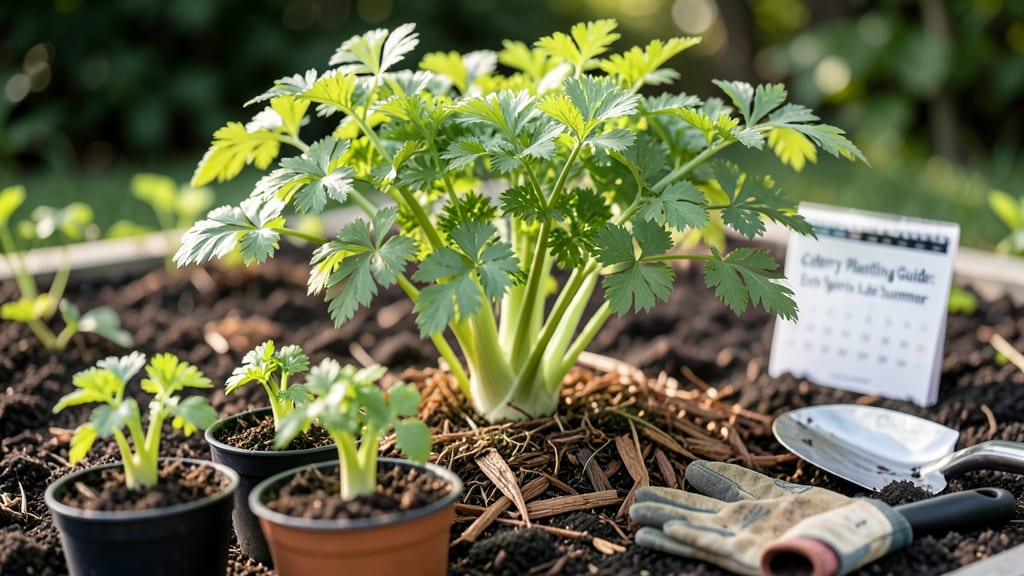
Knowing when to plant celery in Zone 6 makes all the difference between crisp, flavorful stalks and bitter, stringy disappointment. This cool-weather crop thrives in the mild temperatures of spring and fall, but timing is critical—plant too early or late, and you risk bolting or stunted growth.
In Zone 6 (General), your best windows are early spring (March-April) or late summer (July-August), when soil temperatures hover around 50°F. These exact periods ensure your 🥬 develops properly before summer heat sets in or frost arrives. Let’s break down the ideal schedule and what to watch for.
Many gardeners assume celery is a low-maintenance plant, but it’s actually quite particular about conditions. From soil prep to frost protection, small details can mean the difference between a thriving harvest and wasted effort. I’ll share the exact steps to maximize your yield.
Whether you’re a seasoned gardener or just starting out, getting the timing right is the first step to growing celery that’s crisp, sweet, and ready to harvest—without the guesswork. Let’s get your planting calendar dialed in for success.
Best planting windows for celery in Zone 6: exact weeks before last frost
Celery in Zone 6 loves cool temperatures but wilts under summer heat—so timing your planting windows is critical. The last frost date for Zone 6 typically falls around April 15, but your exact window depends on whether you're planting for a spring harvest or fall harvest.
Both strategies work, but each requires precise timing to avoid bitter, stringy stalks.
For spring planting, aim to sow seeds 10-12 weeks before your last frost. This means starting indoors around mid-February so seedlings are ready to transplant by early April. If you're direct-sowing, wait until late March when soil temperatures reach 50°F (10°C).
Spring-planted celery will mature by late summer or early fall, giving you crisp stalks just before cooler weather sets in.
For summer planting, the goal is to harvest before first frost (October 15). Start seeds indoors in early July and transplant outdoors by mid-July. This late-summer crop will mature by October, avoiding the heat that ruins celery's flavor.
Both planting windows rely on consistent moisture and cool soil temperatures—never let soil dry out or heat exceed 80°F (27°C).
| Planting Window | Indoor Start Date | Outdoor Transplant | Harvest Time | Key Soil Temp |
|---|---|---|---|---|
| Early Spring (Spring Harvest) | Mid-February | Early April (after last frost) | Late August - October | 50-65°F (10-18°C) |
| Late Summer (Fall Harvest) | Early July | Mid-July (after heatwave) | October - Early November | 55-70°F (13-21°C) |
Your soil preparation is just as critical as timing. Celery thrives in rich, well-draining soil with a pH of 6.0-7.0. Work in 2-3 inches of compost and a balanced fertilizer (5-10-10) before planting.
Avoid fresh manure—it can cause bolting (premature flowering) and ruin your harvest. In Zone 6, clay-heavy soils retain too much moisture, so amend with sand or peat moss if needed.
Another pro tip: mulch heavily after planting to retain moisture and keep roots cool. Use straw or shredded leaves—never plastic mulch, which traps heat. If your summer is unusually hot, consider shade cloth (30-50%) to protect seedlings from heat stress.
Even a few hours of afternoon shade can prevent bitterness in your stalks.
For container growing, choose deep pots (at least 12 inches deep) and use a lightweight potting mix. Containers dry out faster, so water daily and move pots to partial shade during peak summer heat.
Dwarf varieties like 'Utah' or 'Golden Self-Blanching' work best in pots, reaching only 12-18 inches tall.
Watch for late spring frosts—even a light freeze can damage young plants. If frost is forecasted after transplanting, cover seedlings with row covers or old blankets until temperatures rise.
Similarly, fall-planted celery may need frost blankets in late October to extend the harvest window. These small adjustments make the difference between a bountiful harvest and wasted effort.
Finally, succession planting can give you celery all season. Sow a new batch every 2-3 weeks from March to July, staggering your harvests. This ensures you always have fresh, crisp stalks instead of a single overwhelming harvest.
Just remember: never plant celery in hot soil—it’s the fastest way to ruin your crop.
Best planting windows for celery in Zone 6: exact weeks before last frost
In Zone 6, celery (Apium graveolens) thrives in cool weather but bolts when temperatures exceed 75°F (24°C). The key to crisp, flavorful stalks is planting during two precise windows: early spring and late summer.
Each window requires different soil prep and frost protection strategies to avoid bitter harvests.
For spring planting, aim to sow seeds 10-12 weeks before your last frost date (typically mid-March to early April in Zone 6). This timing ensures seedlings mature before summer heat arrives. Transplant seedlings outdoors 2-3 weeks after the last frost when soil reaches 50°F (10°C).
For summer planting, start seeds indoors in late July and transplant outdoors in early August. This late-summer window gives celery time to establish before cooler fall temperatures. Avoid planting after August 15, as late starts risk frost damage before harvest.
Celery Planting Timeline for Zone 6
| Stage | Action | Temperature Threshold |
|---|---|---|
| Spring Planting | Sow seeds indoors (March 1-15) | 50-60°F (10-15°C) |
| Spring Planting | Transplant outdoors (April 15-30) | Soil 50°F+ (10°C+) |
| Summer Planting | Sow seeds indoors (July 20-31) | Indoor seedling heat mat |
| Summer Planting | Transplant outdoors (August 1-15) | Soil 55°F+ (13°C+) |
| Harvest Window | August-October (spring) or October-November (summer) | Before first frost |
🌱 Pro Tip: Use a seedling heat mat for summer starts to maintain 65°F (18°C) soil temps.
Prepare your soil by amending it with compost and a balanced fertilizer (5-10-10) to ensure nutrient-rich conditions. Celery prefers moist, well-draining soil with a pH of 6.0-7.0. Test your soil before planting—amend with lime if pH is too low or sulfur if too high.
After transplanting, maintain consistent moisture by watering daily in the morning to prevent drought stress, which causes bitterness. Mulch with straw or shredded leaves to retain soil moisture and suppress weeds. Avoid overhead watering to prevent fungal diseases like early blight.
Monitor your celery for bolting (premature flowering) if temperatures rise above 75°F (24°C). Provide afternoon shade with floating row covers or a lightweight shade cloth during heatwaves. With precise timing and care, your Zone 6 celery will deliver crisp, flavorful harvests from August through November.