
Trees
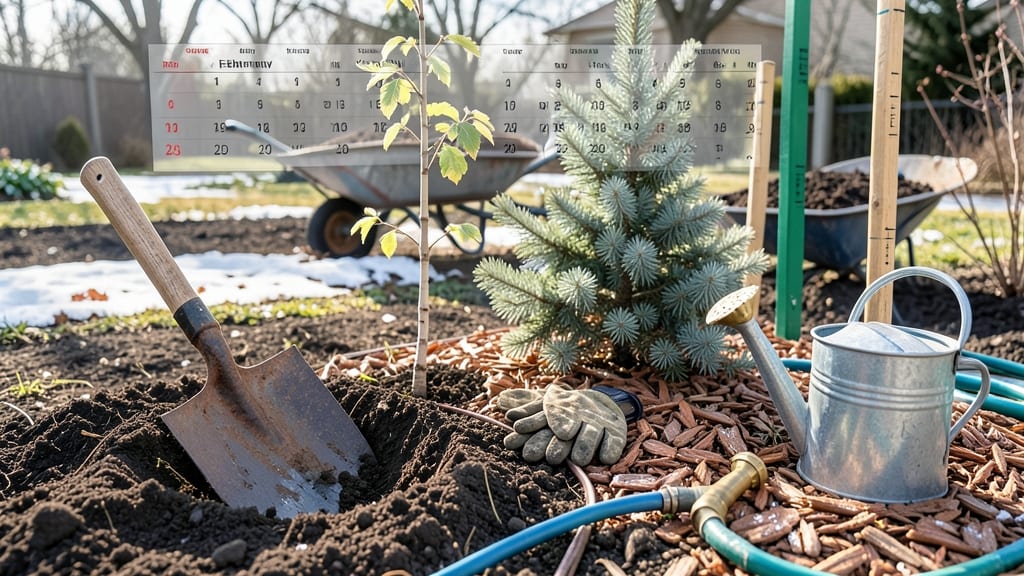
If you’ve ever wondered when is the best time to plant a tree in Colorado, the answer might surprise you: timing is everything.
Planting your tree at the wrong time—especially in Colorado’s USDA Zones 5-7—can mean the difference between a thriving shade provider and a weakling fighting for survival.
Colorado’s climate is tricky, with frost dates that shift wildly depending on whether you’re on the Front Range or the Western Slope. But here’s the good news: there’s a perfect window to plant your tree for maximum root growth and resilience.
Whether you’re a first-time gardener or a seasoned landscaper, knowing when to dig that hole can save you headaches down the road.
In this guide, I’ll break down the exact months to plant your tree in Colorado, from late winter to early spring or fall—plus how to adjust for your specific zone.
You’ll also learn how to prep your planting site and care for your new tree so it thrives in Colorado’s unique conditions.
Ready to give your tree the best shot at success? Let’s get started.
Colorado’s USDA zones & exact planting deadlines by month
Colorado’s diverse USDA zones (3-7) create unique challenges for tree planting. The Front Range (Zones 5-6) has earlier frost dates than the Western Slope (Zones 6-7), while high-altitude areas (Zone 3-4) demand earlier spring planting. Understanding these zones ensures your tree establishes roots before winter’s harsh freeze.
For bare-root trees, the best time is late winter to early spring (February–April) when soil thaws but buds haven’t broken yet. This window allows roots to grow 6+ weeks before summer heat. Container-grown trees, however, can also be planted in fall (September–October) for a slower, steadier root development.
Soil temperature is critical: aim for 40°F or warmer at 6 inches deep. In Zone 5 (Denver area), this typically happens by mid-April, while Zone 7 (Albuquerque) may be ready by March 15. Use a soil thermometer to confirm—cold soil stunts root growth.
Missed the spring window? Fall planting is your next best option, but stop by October 15 in most zones to avoid winter stress. Trees planted in late fall may not establish roots before freeze, leading to winter dieback.
High-altitude areas (Zones 3-4) should plant by September 15 to account for earlier frosts.
| USDA Zone | Best Planting Window | Soil Temp Threshold | Last Frost Date | Notes |
|---|---|---|---|---|
| 3 (High Altitude) | Late April–May | 45°F+ | June 1 | Short growing season; prioritize cold-hardy species. |
| 4 (Mountains) | Early April–May | 40°F+ | May 15 | Fall planting by Sept 15 only. |
| 5 (Denver) | February–April | 40°F+ | April 15 | Ideal for deciduous trees like oak. |
| 6 (Colorado Springs) | March–April | 45°F+ | April 1 | Fall window extends to Oct 10. |
| 7 (Albuquerque) | February–March | 50°F+ | March 15 | Drought-tolerant species thrive here. |
Microclimates add another layer of complexity. Urban areas like Denver (Zone 5) can be 5°F warmer than rural zones, delaying frost. Check local CoCoRaHS weather stations for precise frost dates. For example, Grand Junction (Zone 7) may plant 2 weeks earlier than Denver due to warmer winters.
Evergreen trees, like Colorado Blue Spruce, handle fall planting better than deciduous trees. Their needles reduce water loss in winter, giving roots more time to establish. Deciduous trees, however, should avoid fall planting in Zone 3-4 where frosts are frequent.
Pro tip: Mulch heavily (3–4 inches) after planting to insulate roots. Use straw or wood chips, but keep mulch 6 inches away from the trunk to prevent rot. This is especially critical in Zone 4-5 where winter temps can drop below -10°F.
Missed the ideal window? Don’t panic. Container-grown trees can be planted in late spring (May–June), but expect slower growth. Just water deeply every 5–7 days and monitor for heat stress. Young trees planted in summer need shade cloth protection during Colorado’s 100°F+ heat waves.
🌳
Signs your Colorado tree planting timing is perfect (or disastrous)
Planting a tree at the right time in Colorado isn’t just about checking a calendar—it’s about reading your soil, weather, and even the tree’s own signals. The best planting windows (late winter/early spring or fall) align with when root growth accelerates and frost risks are lowest.
But how do you know if you’ve picked the perfect moment? Look for these key indicators.
First, check your soil temperature. For most Colorado trees, soil should be at least 45°F (7°C)—warmer than that, and roots will establish faster. Use a soil thermometer or dig down 6 inches; if the soil feels cool but not frozen, it’s prime time.
Cold soil slows root growth, while soil that’s too warm (above 85°F) can stress young trees.
Leaf buds on deciduous trees are another clue. If buds are swollen but haven’t yet burst, you’re in the ideal spring window (typically March–April in most zones). For evergreens like Colorado blue spruce, look for fresh, flexible needles—dry or brittle needles signal stress from late planting or drought.
🌱
⚠️ Warning: Disastrous Planting Signs in Colorado
Premature frost warnings are your biggest red flag. If your local forecast predicts below 28°F (-2°C) within 2 weeks of planting, delay—young roots can’t survive freezing. In high-altitude zones (5-6), this risk extends into June, so monitor mountain weather forecasts closely.
Another warning: hard, dry soil that resists digging. Compacted soil blocks root penetration, and Colorado’s clay-heavy soils worsen this problem. If you’re struggling to loosen the earth with a shovel, wait for a rainy period to soften the ground or amend with compost to improve drainage.
Finally, ignore the calendar if your tree arrives with wilted leaves or dry roots (for container-grown trees). These signs mean the tree was stressed before planting—replant only if you can revive it with deep watering and shade for a week.
For fall planting (September–October), aim for 6–8 weeks before the first hard frost. Test your soil’s moisture: if it’s dry 2 inches down, water deeply before planting.
In Zone 7 (southern Colorado), this might mean planting as late as mid-November, but in Zone 4 (northern mountains), stick to early September to avoid early frosts.
Pro tip: Use a moisture meter to check soil conditions. For optimal root growth, the top 12 inches of soil should stay consistently moist (not soggy) for the first 3 months after planting. In Colorado’s arid climate, this often means weekly deep watering—even in fall.
If you miss the ideal window, don’t panic. Container-grown trees can be planted in late spring (May–June) with extra care, but bare-root trees planted after buds swell will struggle. Always prioritize root establishment over rushing the season—your tree will thank you with decades of growth.