
Plants
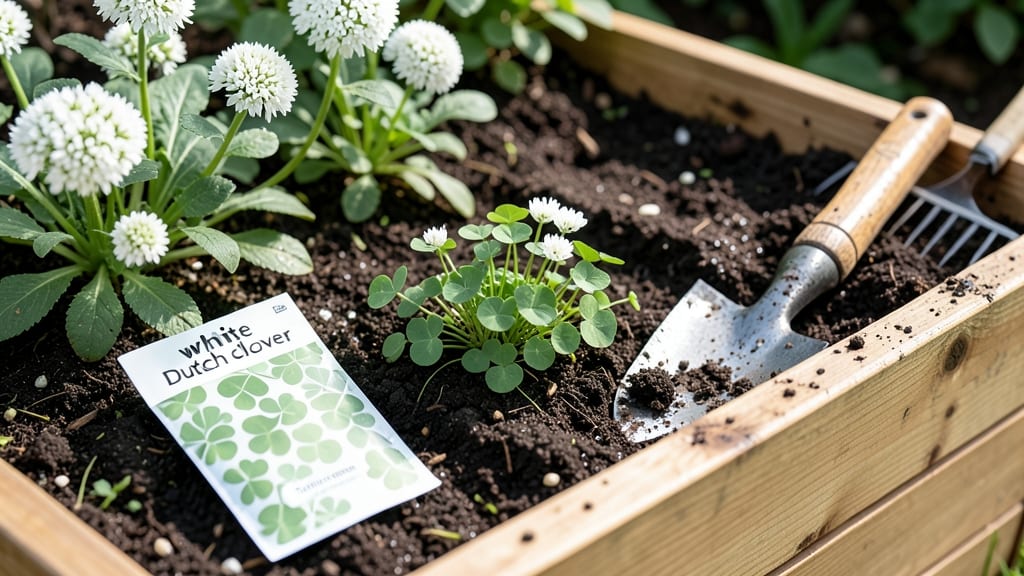
Planting clover at the right moment in spring can transform your garden from a patchy experiment into a vibrant, fast-growing ground cover—if you time it perfectly.
The key lies in waiting for soil temperatures to hit that 50°F sweet spot, which signals the ideal window for root establishment without risking frost damage.
Most gardeners in USDA Zone 6a (like me!) should aim for early to mid-spring, typically after April 15, when the last frost has passed. But here’s the trick: rushing too early can leave your clover struggling, while waiting too long might delay that lush, fast growth you’re after.
In this guide, I’ll break down exactly how to test your soil’s readiness, adjust for regional quirks, and even use simple weather checks to predict the best planting days. No more guesswork—just a foolproof plan for clover that thrives from day one.
Whether you’re fixing bare spots, boosting soil health, or just chasing that perfect green carpet, these soil temperature secrets will have your 🌱 clover off to a flying start. Let’s get those seeds in the ground the right way!
Optimal soil temperature ranges for planting clover in spring
Getting your soil temperature right is the #1 factor for successful clover germination in spring.
Unlike cool-season crops that tolerate chilly soils, clover thrives when temperatures hover between 40°F and 70°F—with white clover preferring the cooler end (40-55°F) and red clover thriving at 55-70°F. Alsike clover falls somewhere in between, making it a versatile choice for transitional zones.
Why does temperature matter so much? Clover seeds need warmth to activate enzymes that break down their tough seed coats. Below 40°F, germination stalls, while above 75°F, seeds may dry out before sprouting. Even a 5°F difference can shift your success rate by 30% or more.
Here’s how to test your soil’s readiness without fancy equipment: The finger test works perfectly. Push your finger 3-4 inches deep—if the soil feels cool but not icy, it’s likely in the ideal range.
For precise readings, a $15 soil thermometer (available at garden centers) gives you exact temps to plan your planting window.
| Clover Type | Ideal Soil Temp | Germination Time | Best Planting Window |
|---|---|---|---|
| White Clover | 40-55°F (4-13°C) | 14-21 days | Early spring (March-April) |
| Red Clover | 55-70°F (13-21°C) | 7-14 days | Mid to late spring (April-May) |
| Alsike Clover | 45-65°F (7-18°C) | 10-18 days | Late spring (April) |
Pro tip: If your soil runs cooler than ideal, consider using black plastic mulch for 1-2 weeks before planting. This raises soil temps by 5-10°F without requiring extra work. Just lay it down, weigh the edges with rocks, and plant directly through the plastic when temps hit your target range.
For northern climates (USDA Zones 3-5), aim to plant when daytime highs consistently reach 55°F—typically late April to early May. In southern zones (6-10), you can start as early as February, but monitor for late frost warnings and protect seedlings with row covers if needed.
One common mistake? Planting too early when soils are still damp from winter thaw. Wet, cold soil slows root development and invites fungal diseases. Always wait until the ground is workable—you should see cracks forming when tilled and no puddling after rain.
After planting, maintain soil temps in the ideal range by watering deeply once weekly (about 1 inch of water). This keeps the root zone stable and encourages faster establishment. Avoid overhead watering, which can wash seeds away or create uneven moisture levels.
Remember: Clover’s root nodules (where nitrogen-fixing bacteria live) only form properly when soil temps are ideal. Plant too early or late, and you’ll miss out on the nitrogen benefits that make clover such a valuable cover crop.
For a quick sanity check, use this rule: If you can comfortably hold a bare hand on the soil for 5 seconds without discomfort, it’s likely in the perfect range for planting. Pair this with your local frost date calendar, and you’ll have clover sprouting within weeks.
Optimal soil temperature ranges for planting clover in spring
Clover thrives when planted in soil that’s warm enough to encourage quick germination but not so hot that it stresses young seedlings. For most varieties like white clover and red clover, aim for soil temperatures between 40°F and 70°F.
This range ensures roots establish firmly without waiting for ideal conditions too long.
Alsike clover, a cooler-climate variety, prefers the lower end of this spectrum (40°F–55°F). If your region experiences late frosts, wait until the soil warms to at least 50°F before planting to avoid stunted growth or seed rot.
| Variety | Ideal Soil Temp (°F) | Germination Time |
|---|---|---|
| White Clover | 50–70°F | 7–14 days |
| Red Clover | 55–65°F | 10–21 days |
| Alsike Clover | 40–55°F | 14–28 days |
To check soil readiness without a thermometer, use the "finger test": Stick your finger about 2 inches deep. If the soil feels cool but not icy, it’s likely in the 50°F–60°F range—perfect for planting.
For faster results, plant in morning hours when soil is cooler, reducing heat stress on seeds.
If your soil is too cold (below 40°F), wait 1–2 weeks or use a black plastic mulch to warm it faster. Overheated soil (above 75°F) can cause seeds to dry out, so avoid planting midday in hot climates.
Once planted, maintain even moisture by watering lightly but frequently (every 2–3 days) until seedlings reach 2 inches tall. This prevents crusting, which blocks sunlight and air from reaching new sprouts.
For regions with unpredictable spring weather, consider a straw mulch layer (1–2 inches) after planting. It insulates soil, keeps moisture consistent, and protects tender seedlings from temperature swings.
Monitor your clover patch for yellowing leaves or slow growth—these are signs of soil temperature stress. Adjust watering or mulching as needed to keep roots in their ideal 50°F–70°F zone.