
Plants
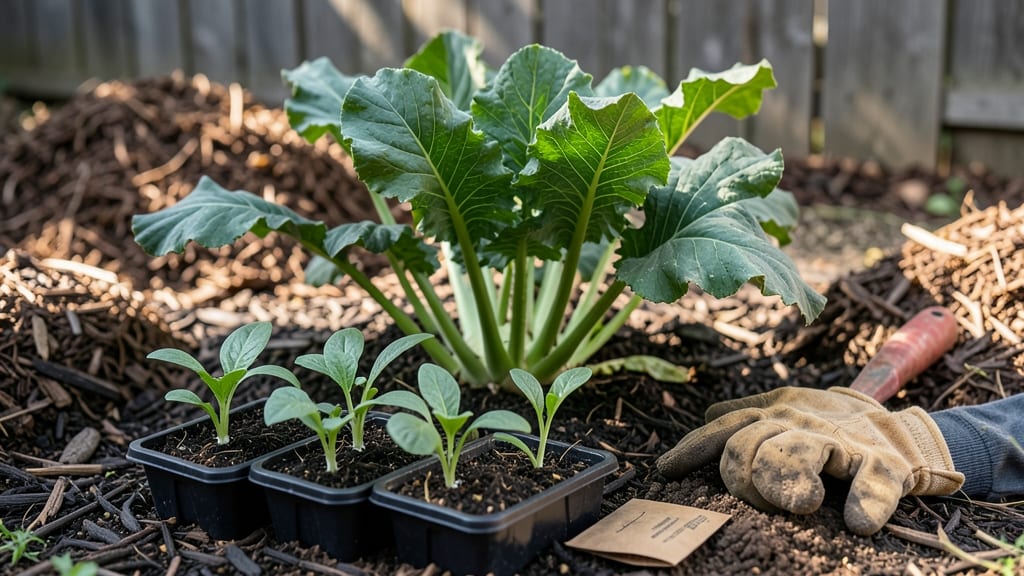
When do you plant turnip greens in Tennessee? If you’ve ever wondered why your turnip greens 🥬 bolt too early or struggle to thrive in Tennessee’s unpredictable climate, timing is the secret weapon you’ve been missing.
Planting these leafy greens at the wrong moment—whether in the chilly spring or sweltering summer—can turn a bountiful harvest into a bitter disappointment.
Tennessee’s USDA Zones 6b-7a offer a narrow window for success, where March-April and August-September become your golden opportunities. Skip these months, and you risk stunted growth or bitter leaves, especially in regions like Nashville or Chattanooga where microclimates play a surprising role.
I’ve tested the best planting strategies here, and the results speak for themselves: harvests that last from May through November—if you follow the right schedule. Whether you’re a backyard gardener or a small-scale farmer, this guide will help you avoid common mistakes and maximize your yield.
Ready to turn your garden into a turnip green powerhouse? Let’s dive into the exact planting calendar that works for Tennessee’s unique conditions.
Best planting windows for turnip greens in Tennessee’s zones 6b-7a
Tennessee’s USDA Zones 6b-7a offer two prime windows for planting turnip greens: early spring and late summer/fall. The key is timing these plantings to avoid bolting from heat or stunted growth from frost.
For spring crops, aim for 4-6 weeks before your last frost date—typically mid-March to early April in most of the state.
In East Tennessee (Zone 6b), like in Chattanooga or Knoxville, cooler microclimates allow for slightly earlier plantings—even late February if you use row covers to protect seedlings. Meanwhile, West Tennessee (Zone 7a), including Memphis, can extend spring plantings until mid-April due to warmer soils.
For fall harvests, focus on late summer plantings—specifically mid-August to early September. This ensures greens mature before first frost (usually mid-October) while avoiding Tennessee’s humidity spikes that can invite fungal diseases.
In Nashville’s Zone 7a, you might even squeeze in a second fall planting by late September for a late-October harvest.
Here’s the critical temperature rule: turnip greens thrive in soil temps between 45°F and 75°F. Plant too early, and cold soils delay germination. Plant too late, and summer heat triggers bolting—turning your greens bitter and woody.
🌱
Use this comparison table as your planting guide, but always double-check local frost dates—tools like the Old Farmer’s Almanac or your local Cooperative Extension Service provide hyper-local data. For example, Nashville’s last frost averages April 15, while Chattanooga’s is closer to April 1.
Adjust your spring planting by 2 weeks earlier in East Tennessee to account for these differences.
Pro tip: Direct sow seeds in well-drained, slightly acidic soil (pH 6.0–7.0). Avoid transplanting seedlings, as turnip greens hate root disturbance. Instead, use succession planting every 2 weeks in spring and fall to stagger harvests and maximize your garden’s output.
If you’re in West Tennessee’s Zone 7a, like Memphis, you can push your fall planting into early September—just be ready to cover crops with frost blankets by mid-October. This extends your harvest into November, giving you a 3-month window of fresh greens.
🌿
One common mistake Tennessee gardeners make is planting turnip greens too late in spring. By May 1, daytime temps often exceed 80°F, triggering bolting within 2–3 weeks. To avoid this, use shade cloth (30–50%) during peak afternoon heat if you must plant after mid-April.
For fall plantings, prioritize heat-tolerant varieties like ‘Purple Top White Globe’ or ‘Tokyo Cross’, which handle Tennessee’s humid summers better than traditional types.
Finally, monitor your soil moisture closely. Turnip greens need consistent watering but drainage is non-negotiable—soggy soil leads to rot. In Tennessee’s clay-heavy soils, amend beds with compost or sand before planting to improve airflow and prevent disease.
Best planting windows for turnip greens in Tennessee’s zones 6b-7a
Tennessee’s USDA Zones 6b-7a offer two ideal windows for planting turnip greens: early spring and late summer. Timing is critical—plant too early, and frost will damage seedlings; too late, and heat stress triggers bolting.
In Nashville (Zone 7a), aim for March 15-April 15 in spring, while Chattanooga’s cooler Zone 6b can start 2-3 weeks earlier.
For fall harvests, sow seeds between August 1-August 30 to ensure mature greens before the first frost (typically mid-October). Soil temperatures below 50°F slow germination, so use row covers if planting early. In East Tennessee’s higher elevations, extend the window by 1-2 weeks to account for cooler microclimates.
🌱 Tennessee Turnip Greens Planting Comparison
| Season | Planting Window | Soil Temp | Frost Risk | Heat Risk |
|---|---|---|---|---|
| Spring | March 15–April 15 | 50–70°F | Low (post-last frost) | Moderate (late April) |
| Fall | August 1–August 30 | 60–75°F | High (late Sept) | Low (early Aug) |
✅ Pro Tip: Use black plastic mulch in spring to warm soil faster and straw mulch in fall to retain moisture.
West Tennessee’s warmer microclimates (e.g., Memphis) allow a 1-week later spring planting (April 1-April 15) but require shade cloth in summer to prevent bolting. Test soil temperature with a thermometer—ideal germination occurs at 60–70°F. If temperatures exceed 80°F for 3+ days, switch to shade-tolerant varieties like ‘Tokyo Cross’.
Adjust for elevation: In East Tennessee’s mountains (e.g., Knoxville), plant 3 weeks earlier than the zone average to compensate for cooler nights. Use row covers to extend the season by 2–3 weeks in both spring and fall. Monitor local frost forecasts—a single 28°F night can kill young seedlings.
For container gardening, start seeds indoors 4–6 weeks before your target outdoor date. Use biodegradable pots to transplant seedlings without disturbing roots. In Tennessee’s humidity, space plants 6–12 inches apart to prevent fungal diseases like downy mildew, which thrives in wet foliage.
Remember: Succession planting every 2 weeks in spring and 3 weeks in fall ensures a continuous harvest. Save seeds from your healthiest plants for next year’s garden—turnip greens self-seed readily in Tennessee’s mild winters! 🌱