
Flowers
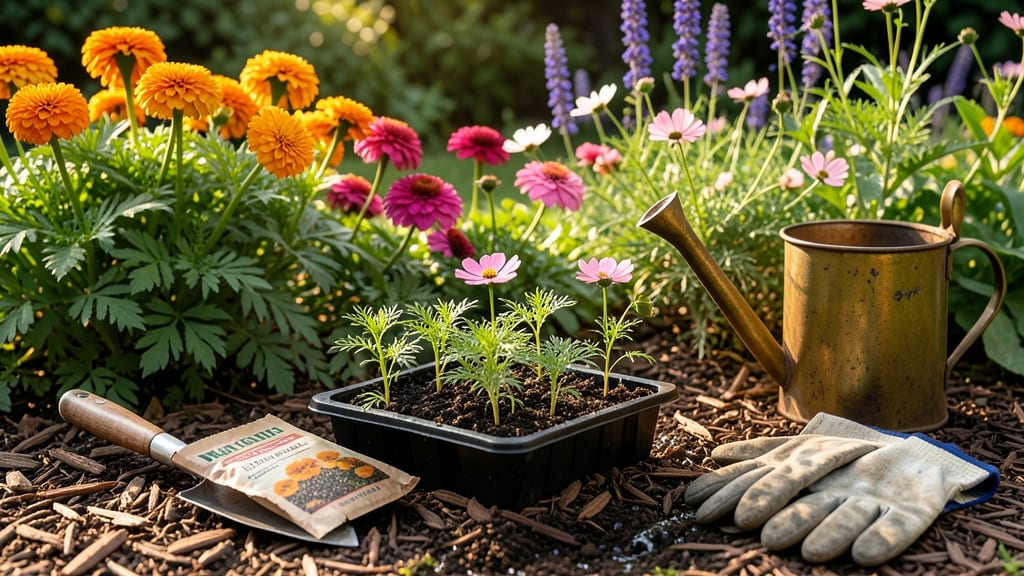
When to plant flowers in North Texas isn’t just about throwing seeds in the dirt—it's the difference between a garden that bursts with color and one that fades before summer even hits. With our 8a climate, those scorching afternoons and unpredictable frost dates demand precision, not guesswork.
Most gardeners here swear by two planting windows: fall (September-November) and spring (February-April), but why? It all comes down to beating the heat and avoiding the brutal Texas summers.
Plant too early, and your delicate blooms will crisp under the sun; too late, and you might miss the chance to see them flourish before winter sets in.
I’ve spent years perfecting my own garden in this zone, and what I’ve learned is that the key to success lies in understanding your microclimate—whether you’re in Dallas, Fort Worth, or somewhere in between.
Some flowers, like mums, thrive when planted in early fall, while others, like impatiens, need that spring window to take off.
Ready to transform your yard into a year-round paradise? Let’s break down the exact months to plant, the best varieties for our heat, and how to keep your flowers looking fresh even when the mercury soars. Your perfect bloom schedule starts here.
Best flower planting months in North Texas heat zone 8b
North Texas' Heat Zone 8b climate demands precise timing for flower planting. The average last frost date is around March 15, while the first frost typically arrives November 15. This gives us a 215-day frost-free window—perfect for strategic planting to avoid summer heat stress.
Most gardeners focus on fall and spring planting because summer's 90°F+ temperatures can shock tender seedlings. Fall planting (especially September-October) gives flowers time to establish roots before winter, while spring planting (after March 15) aligns with natural rainfall patterns.
Here's the key: Annuals thrive best when planted 4-6 weeks before last frost (late February-early March) or after May 1 to avoid summer wilting. Perennials and bulbs need 6-8 weeks before frost to bloom reliably.
The Dallas-Fort Worth metroplex has slightly earlier frost dates than rural areas, so adjust by 1-2 weeks if you're in Wichita Falls or Abilene.
🌱
For container gardening, you can extend planting windows by 2-3 weeks since pots warm up faster. Use slow-release fertilizer and self-watering containers to compensate for North Texas' low humidity and high evaporation rates. My terracotta pots dry out 30% faster than plastic ones in full sun.
Pro tip: Test your soil pH before planting—most North Texas soils are alkaline (7.5-8.5). Acid-loving plants like hydrangeas need sulfur amendments (apply 6-8 weeks before planting). For bluebonnets, wait until October 15 to scatter seeds—they need cool fall temperatures to germinate properly.
Remember, microclimates matter. A north-facing garden in Dallas might stay 10°F cooler than a south-facing bed, allowing you to plant 2 weeks earlier in shaded areas. Use shade cloth (30-50%) for delicate annuals planted in May-June to protect them from afternoon heat.
Finally, monitor your local weather—North Texas' unpredictable spring rains can delay planting. The National Weather Service provides frost forecasts that help adjust your schedule. I always check their Dallas-Fort Worth alerts in February and November to fine-tune my planting calendar.
🌿
Top 5 flowers that thrive in North Texas heat and when to plant them
North Texas summers can be brutal, but some heat-loving flowers thrive here with minimal fuss. My top picks—Lantana, Blackfoot Daisy, Salvia, Zinnias, and Plumbago—not only survive but explode with color.
The secret? Planting them at the right time to beat the worst heat and establish strong roots before summer’s peak.
For annuals like Lantana and Zinnias, I start seeds indoors in February or buy transplants in March after the last frost. These beauties handle 100°F+ temps like champions, but they need a head start.
Perennials like Blackfoot Daisy and Salvia go in fall (September-October) to root before winter, then burst into bloom by spring.
Plumbago is my go-to for shade tolerance—plant it in early spring (March-April) or fall (September) for year-round blooms. Pro tip: Amend your soil with compost before planting to improve drainage, which is critical in our clay-heavy Texas soil.
🌸 Top 5 Heat-Resistant Flowers & Planting Times
- 1. Lantana (March-April) – Drought-proof with clustered blooms. Deadhead for non-stop color. 🌞 Full sun, 💧 Water weekly.
- 2. Blackfoot Daisy (September-October) – Native perennial that thrives in poor soil. Blooms spring-fall. ☀️ 6+ hours sun, 🌧️ Drought-tolerant.
- 3. Salvia (March or September) – Hummingbird magnet with spiky blooms. Prune back after first flush. 🪴 6+ hours sun, 💧 Water deeply.
- 4. Zinnias (March-April) – Fast-growing annual with bold colors. Great for cut flowers. ☀️ Full sun, 💧 Water 2x/week.
- 5. Plumbago (March-April or September) – Shade-tolerant with blue/violet blooms. Prune to shape. 🌿 Partial shade, 💧 Water moderately.
💡 All need well-draining soil—amend with sand or compost if your soil is heavy.
Mulch heavily after planting to retain moisture and regulate soil temp. I use 3 inches of mulch (straw or pine bark) around my Salvia and Lantana to keep roots cool. For container gardens, choose self-watering pots and use cactus/succulent mix for these heat lovers.
Watch for aphids or spider mites during dry spells—neem oil is my go-to organic fix. Overwatering is the #1 killer, so check soil moisture before watering. Stick your finger 2 inches deep; if dry, it’s time to water deeply.
With these heat-proof picks and smart timing, your North Texas garden can bloom boldly even when temps soar. Start with just one or two to test your microclimate, then expand next year! 🌻