
Plants
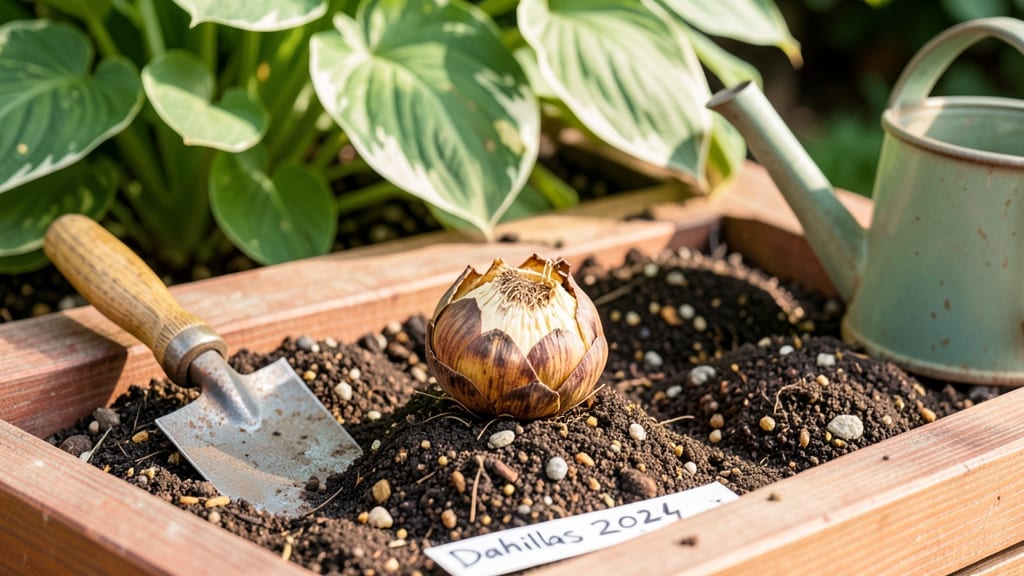
Timing when to plant dahlias in Oklahoma just right could mean the difference between a garden bursting with 🌸 blooms and a season of disappointment. Planting too early risks frost damage, while waiting too long might leave your tubers struggling in the heat—especially in zones 6b-7a where weather shifts fast.
Most gardeners in Oklahoma swear by planting dahlias 2-3 weeks after the last frost, typically by early May, but your exact deadline depends on whether you're in Tulsa, Lawton, or Oklahoma City.
The key is waiting until soil temperatures hit 60°F—cold soil slows root growth, and soggy tubers rot.
I’ve seen firsthand how a 1-week delay can turn a thriving dahlia into a wilted mess by July. That’s why I’ll break down the microclimate rules for your county, including soil prep tricks to speed up warming and mulching hacks to protect young plants from Oklahoma’s infamous summer heat spikes.
Ready to avoid the common mistakes? Let’s lock in your planting schedule so you’re harvesting vibrant blooms by August—not scrambling to replant after a late frost or wilting tubers. Here’s how to nail it.
Oklahoma county heat zones: exact planting deadlines by region
Oklahoma’s diverse climate means dahlias thrive best when planted at the right time for your USDA heat zone. Most of the state falls between 6b and 8a, but even small regional differences can shift your ideal planting window by weeks.
For example, Tulsa (7a) has a later frost risk than Lawton (7b), so timing matters!
To maximize blooms, plant dahlia tubers 2–3 weeks after your area’s last average frost date.
In Oklahoma, this typically falls between late April and early May, but northern counties like Enid (6b) may need to wait until mid-May, while southern areas like Lawton (7b) can start as early as early April under protective cover.
Here’s a quick reference for your county’s optimal planting window, soil temperature thresholds, and microclimate adjustments:
| Region/County | USDA Zone | Last Frost Date | Planting Window | Soil Temp Threshold |
|---|---|---|---|---|
| Northern OK (Enid, Woodward, Altus) | 6b | April 20–May 5 | May 10–20 | 60°F+ |
| Central OK (Oklahoma City, Stillwater) | 7a | April 5–April 20 | April 25–May 10 | 55°F+ |
| Tulsa Metro (7a) | 7a | April 10–April 25 | April 30–May 10 | 55°F+ |
| Southern OK (Lawton, Ardmore, Altus) | 7b–8a | March 20–April 5 | April 10–April 25 | 50°F+ |
| Southwest OK (Claremore, Miami) | 7a–7b | March 25–April 10 | April 15–April 30 | 52°F+ |
For transplanted dahlias (purchased as young plants), shift your timeline 4–6 weeks later. If you’re buying potted tubers in early spring, start them indoors under grow lights 6–8 weeks before your last frost date to give them a head start.
Pro tip: Use a soil thermometer to confirm your garden bed has reached the minimum 55°F threshold. Cold soil can stunt root growth, even if air temperatures are warm. In northern Oklahoma, consider using black plastic mulch 2 weeks before planting to warm the soil faster.
If you miss the ideal window, don’t panic! Dahlias are forgiving—you can plant tubers as late as early June, though expect smaller blooms. Just be prepared for intense summer heat by providing afternoon shade and deep watering every 2–3 days.
For urban gardeners, microclimates can shift planting by weeks. South-facing walls or paved areas heat up faster, while windy plains may require protective coverings like frost blankets during late frosts.
Always check your local weather alerts for late-season frost warnings—they can strike as late as mid-April in some areas.
Once planted, mulch heavily (3–4 inches) to retain moisture and regulate soil temperature. In Oklahoma’s extreme summers, mulch also protects tubers from heat stress, which can cause bud rot or stunted growth. 🌸
How to adjust planting for Oklahoma’s unpredictable weather patterns
Oklahoma’s weather can be as unpredictable as a tornado warning—one day it’s freezing frost, the next it’s scorching heat. Dahlias need consistency, so I’ve learned to adjust planting timelines based on local forecasts and microclimates.
For example, urban areas like Oklahoma City (Zone 7a) may warm up faster than rural Panhandle regions (Zone 6b), so I always check local frost data before planting.
Start by monitoring soil temperatures—dahlias thrive when soil reaches 60°F (15°C). Use a soil thermometer or wait until late April to early May in most of Oklahoma. If a late frost hits, cover tubers with row covers or mulch to protect them until the threat passes.
I’ve seen May frost in Altus (Zone 7b) delay plantings by weeks!
For early heatwaves, opt for transplanting young plants instead of tubers. Nursery-grown dahlias in 4-inch pots can handle 80°F (27°C) soil better than freshly planted tubers. I’ve had success buying 6-packs in late May when the ground is already warm. This also lets you skip the tuber-chilling step entirely.
🌧️ Pro Tip: If your area has unpredictable rainfall, like Tulsa’s sudden downpours, plant in raised beds with gravel drainage layers. Dahlias hate soggy roots, and Oklahoma’s clay-heavy soil can trap moisture. I add perlite or sand to improve drainage in my garden beds.
⚠️ Warning: Late Planting Risks
Planting dahlias after June 15 in Oklahoma often means stunted blooms or no flowers at all. The plant needs 90–120 days to mature, and late starts cut the season short. If you miss the window, try container gardening—pots warm up faster and let you move plants to shadier spots in peak summer.
Microclimates play a huge role too. South-facing slopes in Norman (Zone 7a) can be 10°F warmer than nearby valleys, so I plant there first. Conversely, windy plains near Lawton may need windbreaks (like tall grasses or fencing) to protect young shoots.
I’ve lost entire dahlia beds to late-spring winds—always stake or cage plants early!
Finally, keep an eye on humidity levels. Southern Oklahoma’s high humidity increases fungal risks, so I space plants wider (18–24 inches apart) and water at the base to avoid wetting foliage.
If powdery mildew appears, switch to morning watering and apply neem oil preventatively. With these adjustments, even Oklahoma’s wild weather won’t stop your dahlias from thriving!