
Plants
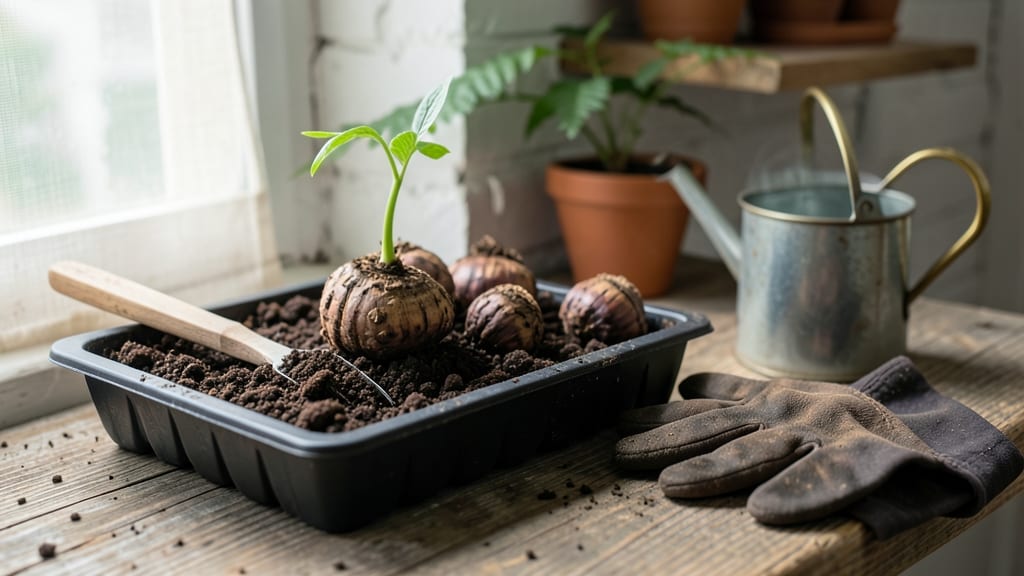
Planting dahlias at the wrong time in the UK could mean struggling to grow these showstopping 🌼 flowers—or worse, losing them to frost before they even bloom.
The secret to vibrant dahlias lies in waiting until after the last frost, when soil reaches a steady 10°C, typically between mid-May and early June.
Timing matters because dahlias need warmth to establish strong roots before summer’s heat arrives. In warmer regions like London (Zone 8a), you can plant as early as late April, while cooler areas like Edinburgh (Zone 7b) may wait until June.
Whether you’re chitting tubers indoors or planting pre-grown plants, getting this right ensures healthier growth and more blooms.
But here’s the catch: rushing too early risks frost damage, while waiting too long can stunt growth. I’ll walk you through the exact steps to prepare your dahlias—from chitting tubers to hardening off plants—so you’re ready to plant when the time is perfect.
Let’s make sure your garden gets the dramatic dahlias you’ve been dreaming of.
Ready to avoid common mistakes like overwatering or poor drainage? We’ll cover those too, so your dahlias thrive from the first leaf to the last frost. Let’s get started!
Best UK planting time for dahlias: after last frost & soil temperature guide
Timing your dahlia planting is critical in the UK, where frost dates and soil temperatures vary dramatically by region. The ideal window is late May to early June, once the risk of frost has passed and soil warms to 10°C (50°F).
Planting too early exposes tender tubers to cold damage, while waiting too long can stunt growth before summer blooms arrive.
In the southeast UK (e.g., London, Kent), gardeners can often plant by mid-May, but Scotland’s later frost dates (sometimes June) demand patience. The Midlands typically falls between these extremes, with late May being the safest bet. Always check your local Met Office frost forecast before digging in.
Dahlias thrive when planted in well-drained soil that’s warm and moist. A simple test: press your finger 2 inches deep—if the soil feels cool to the touch, wait a few more days. Cold soil slows root growth, leaving plants vulnerable to rot or pests.
In clay-heavy soils common across the UK, mix in compost or grit to improve drainage.
Now, let’s compare your options: planting tubers versus pre-grown plants. Timing differs slightly, and each method has unique advantages depending on your UK climate zone.
| Factor | Planting Tubers | Pre-Grown Plants |
|---|---|---|
| Best UK Planting Time | Late May–early June (after frost) | Mid-May–mid-June (earlier in warm zones) |
| Soil Temperature Requirement | Minimum 10°C (50°F) | Minimum 8°C (46°F) (hardier) |
| Regional Adjustments | Scotland: Wait until June; Southeast: mid-May | Scotland: Late May; Southeast: April (under cover) |
| Preparation Needed | Chitting (pre-sprouting) recommended | Hardening off for 7–10 days |
| UK-Specific Risk | Frost damage to emerging shoots | Transplant shock in cool, wet springs |
| Bloom Time Advantage | Slower to flower (8–10 weeks) | Faster blooms (6–8 weeks) |
For southern UK gardeners, pre-grown plants offer a head start, allowing earlier blooms in June or July. However, tubers are cheaper and more varied, making them ideal for larger displays.
In cooler northern regions, tubers planted in June still yield stunning autumn blooms if given full sun and protection from wind.
Pro tip: If you’re in a transition zone (e.g., Birmingham or Manchester), err on the side of caution. Use frost blankets for tubers planted in late May to shield them from unexpected late frosts.
These lightweight covers trap heat during the day and provide insulation at night—perfect for the UK’s unpredictable spring weather.
Another key factor is daylength. Dahlias need longer daylight hours to trigger blooming, which is why June plantings in the north can still perform well. If you’re planting late, choose compact varieties like ‘Café au Lait’ or ‘Thomas Edison’—they’re hardier and faster-growing than towering types.
Finally, don’t overlook microclimates. A south-facing wall or greenhouse can extend your planting window by 2–3 weeks, especially in cooler areas. Even in Scotland, you might push tubers into the ground by late May if they’re sheltered.
Always observe your garden’s local conditions—what works for a sunny London border may fail in a shady Welsh valley.
Once you’ve nailed the timing, the next step is pre-planting prep. This includes chitting tubers, amending soil, and protecting against slugs—all critical for UK gardeners aiming for show-stopping dahlias.
Best UK planting time for dahlias: after last frost & soil temperature guide
Timing is everything when planting dahlias in the UK, and the ideal window is after the last frost when soil temperatures reach at least 10°C (50°F).
This usually falls between late May and early June in most regions, but exact dates vary—especially between the warmer Southeast and cooler Scotland. Planting too early risks frost damage, while waiting too long can stunt growth before summer blooms.
In the Southeast and Midlands, last frosts typically occur by mid-April, but dahlias thrive best when planted 4-6 weeks later. This gives soil time to warm and reduces the risk of rotten tubers.
Meanwhile, gardeners in Scotland or Northern England should wait until late May or June due to later frosts and cooler soils.
🌱 UK Dahlia Planting Comparison
| Region | Last Frost Date | Ideal Planting Time | Soil Temp Check |
|---|---|---|---|
| Southeast | Mid-April | Late May | 10°C+ |
| Midlands | Late April | Early June | 10°C+ |
| Scotland/Northern England | Late May | June | 10°C+ |
🌡️ Pro Tip: Use a soil thermometer to confirm temperatures—cold soil slows root growth.
For gardeners eager to start earlier, chitting tubers indoors from March can give you a head start. Place tubers in trays with eyes facing up in a bright, cool spot (10-15°C).
Once shoots appear, harden them off for 1-2 weeks before transplanting outdoors. This method is especially useful for tall varieties, which need extra time to establish strong stems.
Another option is buying pre-grown dahlias from nurseries in May. These are already hardened off and can be planted directly into the ground, saving time and effort. However, they’re often more expensive and may struggle to match the size and vigor of tubers planted at the right time.
Once planted, dahlias need well-draining soil mixed with compost or grit to prevent waterlogging. In clay-heavy UK soils, add sand or perlite to improve drainage. Mulch around the base with organic matter to retain moisture and suppress weeds—critical in the UK’s wet summers.
After planting, stake tall varieties immediately to support their heavy blooms. Use 3-4 ft bamboo stakes or a cage system to prevent flopping in windy UK gardens. Water deeply once a week (more in drought), always in the morning to reduce fungal risks like powdery mildew.
By following these UK-specific timing and care tips, your dahlias will reward you with bold blooms from July through to the first frost. The key? Patience and preparation—don’t rush planting, and give them the right conditions to thrive in our changeable climate! 🌼