
Planting
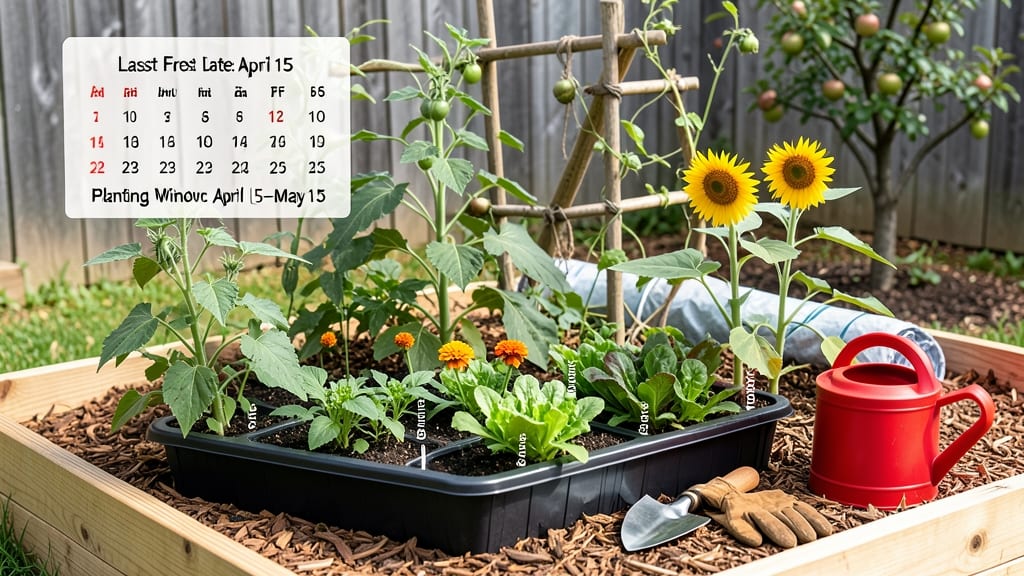
Knowing when to plant garden in Nebraska isn’t just about checking a calendar—it’s about beating frost, avoiding wasted seeds, and maximizing your harvest. With USDA Zones 5B/6A, timing matters more than you’d think, especially when late frosts can sneak in as late as April 15.
The General Nebraska Garden thrives when planted between late April and mid-June for spring crops, but fall planting (August–early September) gives you a second chance for hearty veggies and flowers. Whether you’re sowing cool-season greens or warm-season tomatoes, the key is soil warmth—wait until temperatures hit 50°F.
Miss the window, and you risk stunted growth or bolting plants. But get it right, and you’ll enjoy fresh produce from May through October. I’ll break down the exact deadlines for your favorite crops, so you can plant with confidence and skip the guesswork.
Ready to turn your Nebraska garden into a year-round success? Let’s dive into the science behind frost-free planting and how to adjust for your specific microclimate—because every yard tells a different story.
Nebraska planting deadlines by crop type: frost-free timing for vegetables, flowers, and herbs
Nebraska's USDA Zones 5B/6A mean your planting window is short but sweet—typically late April through mid-June for spring crops, with a second chance in August to early September for fall plantings.
Missing these deadlines risks frost damage or stunted growth, so knowing your last frost date (around April 15) is critical. Let's break down the ideal timing for your garden's stars.
Cool-season crops like spinach, peas, and kale thrive when soil temps hit 40°F, often as early as March in western Nebraska. Warm-season favorites such as tomatoes, peppers, and basil need to wait until soil reaches 50°F+, usually after May 1.
Flowers like petunias and marigolds bridge the gap, loving May's mild warmth before summer's intensity.
Here’s your Nebraska planting timeline at a glance, organized by crop type and frost sensitivity:
For western Nebraska, where frost comes earlier, start cool-season crops in March and shift warm-season plants to late April. Eastern Nebraska gardeners can wait until mid-May for tomatoes and peppers, thanks to later frost dates.
Always check the Nebraska State Climate Office for your county’s 10-year frost averages—they’re your best friend for fine-tuning.
Pro tip: Use row covers to extend your spring window by 2-3 weeks for frost-sensitive plants like eggplants. Just remove them once nighttime temps stay above 50°F consistently. This trick lets you plant peppers in early May instead of waiting for June!
Herbs like parsley and cilantro are cool-season champions—sow them in early spring for harvests by June, then replant in late summer for a fall crop. Basil, however, is a warm-season diva that bolts (goes to seed) if planted before May 15.
Save it for your June 1 planting party.
Don’t overlook fall planting! Crops like kale and carrots thrive when days cool down. Seed them by August 15 for harvests before the first frost in October. This strategy gives you two harvests per year from the same plot—double the veggies, double the joy!
Remember: Soil temperature matters more than air temperature. Use a soil thermometer to confirm 50°F+ before planting warm-season crops. Cold soil stunts growth, even if the sky is blue. If your soil is still chilly, wait—your plants will thank you with stronger roots and bigger yields.
🌱
How to adjust planting dates for Nebraska’s unpredictable weather: frost risk zones and microclimates
Nebraska’s climate varies dramatically from the dry western plains to the humid eastern regions, creating unique frost risks. Western areas like Panhandle often see earlier last frosts (April 1-15), while eastern areas like Omaha can experience late frosts until May 1-15.
This means your planting timeline should shift based on your specific location.
Microclimates matter too—urban heat islands in cities like Lincoln can delay frost by 1-2 weeks compared to rural areas. Even a south-facing slope warms faster, allowing earlier planting of heat-loving crops like tomatoes and peppers.
Always check local frost date maps from the Nebraska State Climate Office for precise guidance.
Here’s how to adjust your planting schedule based on Nebraska’s three key frost risk zones:
| Zone | Last Frost Date | First Frost Date | Adjustment Tip |
|---|---|---|---|
| Western Nebraska (Panhandle) | April 1-15 | October 1-15 | Plant warm-season crops 2 weeks earlier; use row covers for late frosts. |
| Central Nebraska (Lincoln) | April 15-30 | October 10-25 | Follow average frost dates but monitor weekly forecasts for delays. |
| Eastern Nebraska (Omaha) | May 1-15 | October 5-15 | Wait until May 1 for warm-season crops; use cold frames to extend season. |
For unpredictable years, rely on the 50°F soil temperature rule—most warm-season crops like peppers and cucumbers won’t thrive until soil warms to this mark.
Use a soil thermometer ($10 at garden centers) to avoid guessing. In dry years, soil warms faster, while wet springs can delay planting by weeks.
Pro tip: Succession plant heat-loving crops like beans and squash every 2 weeks from mid-May to June to ensure continuous harvests. This works especially well in western Nebraska, where the growing season is shorter but more intense.
Always keep a planting journal to track what works best in your microclimate!
When in doubt, consult the Nebraska Extension’s frost date calculator (extension.unl.edu) for real-time updates. Their interactive maps adjust for elevation and local weather patterns—saving you from costly mistakes. 🌡️