
Companion Plants
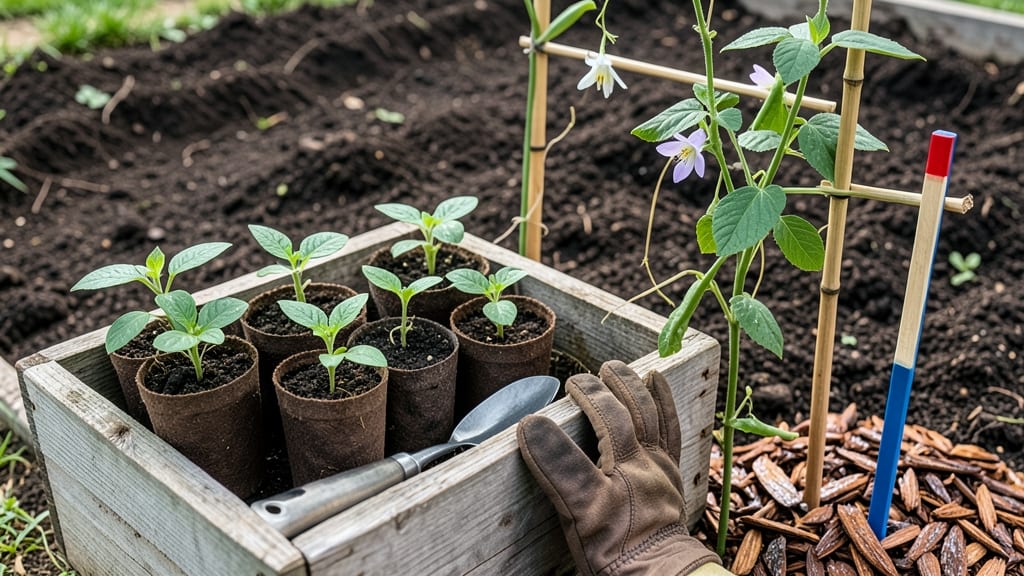
Timing your bean planting in Pennsylvania can mean the difference between a bumper crop and wasted effort—get it wrong, and you’ll either lose seedlings to frost or miss peak harvest season.
With USDA zones 5b-7a across the state, knowing when to plant beans 🌱 depends on your exact location, whether you're in Philadelphia’s warmer microclimate or Pittsburgh’s cooler hills.
The ideal window runs from April 15 through June 1, but soil temperature and last frost dates vary dramatically. Plant too early, and chilly nights will stunt your seeds; too late, and you’ll sacrifice flavor and yield.
I’ll break down the exact deadlines by region so you can align your planting with Pennsylvania’s unpredictable spring weather.
You’ll also discover which bean varieties thrive in your zone, how to extend your growing season with simple tricks, and why some gardeners in northern PA swear by succession planting.
Whether you’re a first-time gardener or a seasoned pro, these insights will help you maximize your harvest from June through September.
Ready to grow beans that outperform the grocery store? Let’s dive into the precise planting schedule—and avoid the 3 common mistakes that ruin PA gardens every year.
Pennsylvania bean planting deadlines by last frost date (2024 guide)
Pennsylvania’s last frost dates vary dramatically across its USDA zones 5b-7a, creating a 4-6 week difference between northern and southern regions.
In Philadelphia (Zone 7a), you can plant beans as early as April 15, while Erie (Zone 5b) gardeners should wait until May 15 to avoid frost damage. Understanding these deadlines ensures your bush beans and pole beans thrive without wasted effort.
For most of Pennsylvania, the ideal planting window spans from mid-April to early June, but soil temperature matters more than calendar dates. Beans need soil at 60°F+ to germinate properly—cold soil delays sprouting and invites rot.
Use a soil thermometer to confirm readiness, especially in Pittsburgh’s Zone 6b where evenings can still dip below freezing.
Here’s your region-specific planting timeline for 2024, including heat-tolerant varieties for southern PA and cold-resistant options for northern areas:
| Region | Last Frost Date | Planting Window | Best Varieties | Harvest Window |
|---|---|---|---|---|
| Philadelphia (Zone 7a) | April 15 | April 15–May 15 | Blue Lake, Romano | June–September |
| Pittsburgh (Zone 6b) | May 1 | May 1–May 30 | Kentucky Wonder, Provider | June–August |
| Erie (Zone 5b) | May 15 | May 15–June 1 | Tendercrop, Blue Lake | July–September |
| Harrisburg (Zone 6a) | April 25 | April 25–May 20 | Rattlesnake, Contender | June–August |
Southern Pennsylvania’s warmer microclimates (like Reading or Lancaster) allow for late-season plantings in July for heat-loving varieties like Black Valentine or Scarlet Runner. These can produce pods even as summer fades, extending your harvest into early October if planted by July 15.
Just ensure your soil stays consistently moist—drought stress reduces pod quality.
Northern PA gardeners in Scranton or Wilkes-Barre (Zone 6a) should focus on early-maturing varieties like Blue Lake Bush, which can go from seed to harvest in 50 days. For pole beans, opt for Kentucky Wonder—its 60-day maturity gives it a buffer against late frosts.
Always plant 1-2 inches deep and space seeds 2-3 inches apart to prevent overcrowding.
Pro tip: Use black plastic mulch to warm soil faster in cooler zones. This method can push your planting window 2 weeks earlier by raising soil temperatures 5-10°F. Just remove the mulch once beans flower to prevent overheating.
For container gardening, choose dwarf varieties like Mascotte and plant in 5-gallon pots—they’ll mature 10 days faster than in-ground plants due to warmer soil.
Monitor your local frost forecast via the Penn State AgWeather Network or NOAA’s Climate Prediction Center. A late frost in June can wipe out young seedlings, so have row covers ready if temperatures dip below 50°F after planting.
In Philadelphia’s Zone 7a, I’ve successfully planted bush beans in late March under row covers, harvesting 3 weeks earlier than the traditional window.
Remember: Succession planting every 2 weeks ensures a continuous harvest. For example, plant Blue Lake beans on April 20, May 5, and May 20 in Philadelphia to enjoy fresh pods from June through August.
This strategy works especially well for pole beans, which produce over a longer season.
🌱
How to extend your bean planting season in Pennsylvania’s short growing zone
Pennsylvania’s cool, short growing season can make planting beans tricky—especially in USDA zones 5b-6a like Erie or Scranton. But with the right tricks, you can grow beans 2-4 weeks earlier or later than traditional deadlines. The key? Soil warming, cold-hardy varieties, and smart succession planting. Cold snaps after your last frost? Use black plastic mulch or row covers to warm soil faster. For late-season harvests, try heat-tolerant varieties like ‘Contender’ or ‘Blue Lake’—they handle summer’s heat better than standard types. Even container gardening works in small spaces!
Spread black plastic mulch 2 weeks before planting to raise soil temps by 10-15°F. For containers, use dark-colored pots or place them on black tarps.
Choose ‘Tendergreen’ (bush) or ‘Kentucky Wonder’ (pole)—both tolerate 50°F soil temps better than standard beans.
Sow seeds every 2 weeks from May to July for a continuous harvest. Use shorter varieties (like ‘Blue Lake’) for later plantings.
Grow bush beans in 12" pots—move containers to sunniest spots or use self-watering planters for consistency.
Use floating row covers to protect seedlings from late spring frosts or extend harvest into early fall.
Pro tip: Test soil temps with a thermometer—beans need 60°F+ to germinate. If your soil is still cold, wait 1-2 weeks or use heat mats for containers. Overwatering cold soil can delay germination, so keep it moist but not soggy until sprouts appear.
For late-season extensions, try ‘Provider’ pole beans—they’re heat-tolerant and can produce pods even when temps hit 90°F. Pair them with shade cloth if your garden gets afternoon sun, which can scorch leaves. And don’t forget to harvest regularly—this encourages more pods to form!
Remember: PA’s frost-free window is tight, but with these tricks, you can double your harvest. Start with one early batch, one mid-season batch, and one late batch for a summer-long supply of fresh beans. Happy planting!