
Plants
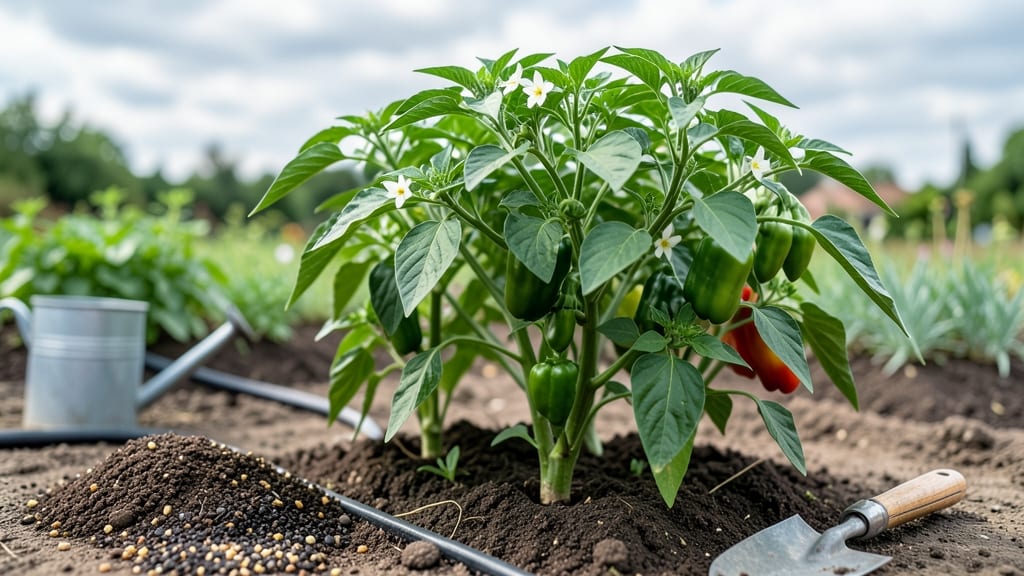
Timing your bell pepper 🌶️ planting in Southern California isn’t just about picking a month—it’s about avoiding those scorching summer slumps or missing the sweet spot when your soil is just right.
With frost-free zones like 10a-10b, you’ve got flexibility, but coastal areas and inland valleys play by slightly different rules.
Most gardeners here know spring and fall are prime, but did you know early spring (February–March) is actually ideal for coastal regions like San Diego? Meanwhile, inland spots like Riverside can handle transplants year-round—just watch for soil temps below 60°F, which slows germination.
The key is matching your microclimate’s heat tolerance to your pepper’s needs.
What you’ll discover next are the exact planting windows tailored to your neck of the woods, plus how to prep your soil for maximum growth. We’re talking 60–90 days to harvest, so getting this right means fewer wasted seeds and more homegrown peppers on your table.
Ready to ditch the guesswork? Let’s break down the best months to plant, adjust for your local climate quirks, and keep those peppers thriving from seed to harvest—without the summer burnout.
Southern California bell pepper planting calendar by region (coastal vs inland)
Southern California’s diverse microclimates mean coastal areas like San Diego and Santa Barbara enjoy milder winters, while inland valleys like Riverside and San Bernardino experience hotter summers. This regional difference directly impacts your bell pepper planting timeline.
Unlike northern states, SoCal’s frost-free year-round climate lets you grow peppers almost anytime—but timing still matters for optimal yields.
For coastal regions, the best planting window is from February through April and again from August to October. These months avoid the summer heat stress that can stunt growth or cause blossom drop.
Inland areas, however, can plant year-round with spring (March–May) and fall (September–November) being ideal for avoiding extreme heat.
Here’s how to align your planting with your specific microclimate:
If you’re growing pepper transplants (not seeds), aim to plant them when soil temperatures hit 60°F+. Use a soil thermometer to check—cooler soils delay germination.
For direct sowing, start seeds indoors 8–10 weeks before your target outdoor date to give seedlings a head start against pests like aphids and whiteflies, which thrive in SoCal’s warm winters.
Pro tip: Succession planting every 2–3 weeks ensures a continuous harvest. For example, plant a batch in March, another in June, and a final one in September to stretch your yield through fall. This works especially well in coastal areas where summers are less intense.
For container growing, use large pots (5+ gallons) with fast-draining soil to prevent root rot. Containers heat up faster than garden beds, so move them to shadier spots during June–August to protect plants from bolting (premature flowering).
Remember: Bell peppers hate cold snaps, even in SoCal. If a rare 40°F night is forecasted, cover plants with frost cloth or move containers indoors temporarily. Coastal areas rarely see frost, but inland valleys can dip into the 40s°F during winter.
🌶️
How to adjust planting times for desert vs Mediterranean microclimates
Southern California’s diverse climates—from coastal Mediterranean to low-desert—mean one planting schedule doesn’t fit all. In desert areas like Palm Springs (Zone 10b), you can plant bell peppers year-round, but summer heat requires shade cloth.
Meanwhile, coastal regions like Santa Barbara (Zone 10a) have milder summers and cooler winters, allowing for spring and fall plantings without heat stress.
For desert microclimates, focus on early spring (March) and late summer (August) to avoid extreme heat. Use drip irrigation and mulch to retain moisture. In Mediterranean zones, plant in early spring (February) and fall (September) when temperatures are moderate.
The key is matching your local heat tolerance to the pepper variety’s needs.
Here’s how to adapt your approach based on your microclimate:
🌡️ Desert vs. Mediterranean Planting Adjustments
🏜️ Desert Microclimate
- Best Months: March–April, August–September
- Soil Temp: 70°F+ (use shade cloth in summer)
- Watering: Daily deep watering (1.5 gallons/plant)
- Varieties: Heat-tolerant types like ‘NuMex’ or ‘Jalapeño’
🌊 Mediterranean Microclimate
- Best Months: February–March, September–October
- Soil Temp: 60°F+ (avoid frost risk in coastal valleys)
- Watering: Every 2–3 days (morning only)
- Varieties: Classic types like ‘California Wonder’ or ‘Banana’
Pro Tip: Test soil moisture daily in desert zones—bell peppers wilts quickly in dry heat. In coastal areas, mulch heavily to prevent soil cooling.
Another critical adjustment is soil preparation. Desert soils often need organic matter to retain moisture, while coastal soils may benefit from compost and sand for drainage.
Amend your soil 4–6 weeks before planting to give roots a head start. For desert gardens, raise beds slightly to improve drainage and reduce heat absorption.
If you’re in a transition zone (e.g., foothills of the San Gabriel Mountains), aim for late winter plantings (January–February). These areas experience cooler nights and may have occasional frost, so use row covers if temperatures dip below 50°F.
Monitor local weather forecasts and adjust your schedule accordingly—flexibility is key in SoCal’s variable climates.
Finally, succession planting works year-round in Southern California. In desert areas, plant every 6–8 weeks from March to October. In coastal zones, stagger plantings every 4–6 weeks from February to November. This ensures a continuous harvest and maximizes your garden’s productivity.
Remember, bell peppers are heat-sensitive—even in SoCal. If you plant in summer, provide afternoon shade and water at the soil line (not the leaves) to prevent sunscald. With these adjustments, you’ll avoid common pitfalls and enjoy a bountiful harvest regardless of your microclimate. 🌶️