
Plants
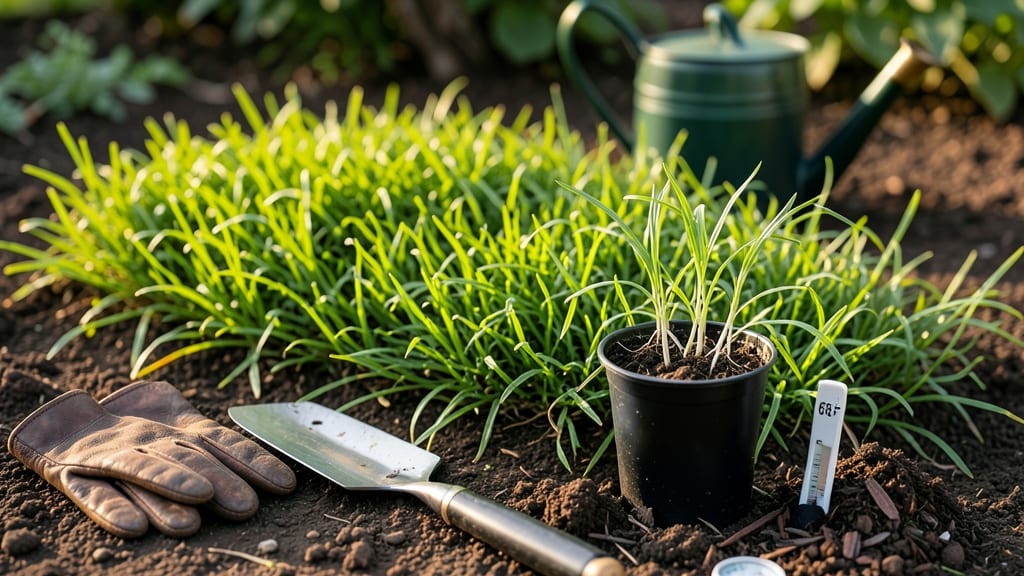
If you've ever planted Bermuda grass 🌱 in Oklahoma only to watch it struggle through summer heat, you're not alone—but the fix starts with timing.
The best time to plant Bermuda grass in Oklahoma isn't just about spring; it's about soil warmth, heat tolerance, and giving those roots the deep establishment they need to thrive.
Oklahoma's climate zones—ranging from USDA 6 to 8—create unique challenges, especially when soil temperatures dip below 65°F. Plant too early, and your grass may sit dormant; too late, and it fights to recover before summer's brutal heat.
I'll show you exactly which months work best for your specific region and why.
We're talking about a game-changer for your lawn's health: the perfect window for planting Bermuda grass in Oklahoma isn't just about dates—it's about understanding how your local microclimate affects root growth. Let's dive into the science and practical steps that'll have your grass thriving from day one.
From soil prep to watering strategies, I'll walk you through every critical step to ensure your Bermuda grass takes root deep and strong. No more guessing—just proven methods tailored for Oklahoma's unpredictable weather patterns. Ready to transform your lawn? Let's get started.
Optimal planting months for Bermuda grass in Oklahoma’s climate zones
Oklahoma’s diverse climate—from the cooler northern regions to the hotter southern plains—means one planting window doesn’t fit all. For USDA zones 6-8, the absolute best time to plant Bermuda grass is when soil temperatures consistently stay above 65°F for at least 4-6 weeks.
This typically lands in late April to early May for most of Oklahoma, but southern areas like Lawton or Oklahoma City can start as early as mid-April.
Northern Oklahoma—think Tulsa or Norman—may need to wait until mid-May to avoid early frost risks. The key is soil warmth, not just air temperature. A simple soil thermometer ($10 at garden centers) will tell you when it’s time to plant.
For example, in Oklahoma City, soil temps hit 65°F around April 25th, while in Tahlequah, it’s often May 10th.
Here’s the golden rule: Never plant Bermuda grass in Oklahoma before May 1st unless you’re in the far south. Early planting leads to shallow roots and heat stress once summer hits.
I’ve seen lawns planted in March burn out by June because the roots never established deep enough to access moisture.
A second planting window exists for late summer, specifically late August to early September. This gives Bermuda grass a 6-8 week head start before Oklahoma’s first frost (usually mid-November). However, this method requires intensive watering to keep the soil moist during establishment—something many homeowners overlook.
For southern Oklahoma (USDA zone 8), like Altus or Lawton, you can even push planting to early June, but you’ll need to water deeply 2-3 times weekly until roots establish. The trade-off? Faster summer recovery compared to spring plantings.
| Region | Best Planting Window | Soil Temp Threshold | Key Consideration |
|---|---|---|---|
| Northern OK (USDA 6) | Mid-May to June 1 | 65°F+ for 6+ weeks | Avoid early frost risks |
| Central OK (USDA 7) | Late April to May 15 | 65°F+ for 4+ weeks | Balanced heat/drought |
| Southern OK (USDA 8) | Mid-April to June 10 | 60°F+ for 5+ weeks | Longer growing season |
| All Regions (Late Season) | Late August to Sept 1 | 70°F+ for 6+ weeks | Requires heavy watering |
If you’re sodding Bermuda grass (not seeding), the timing shifts slightly. Sod can handle cooler soil temps than seeds, so you can plant as early as April 1st in southern Oklahoma or May 1st in the north.
The advantage? Instant coverage and faster root establishment if watered properly. However, sod costs 3-4x more than seed, so it’s a trade-off many homeowners consider.
Pro tip: Check Oklahoma Mesonet (mesonet.org) for real-time soil temps in your area. For example, in Stillwater, soil temps in early April often sit at 55°F, which is too cool for Bermuda grass seeds.
Waiting until mid-April ensures success. This free tool is a game-changer for avoiding costly mistakes.
One common mistake I see is planting Bermuda grass in early spring because the air feels warm. But soil temperature is what matters—seeds need consistent warmth to germinate.
If your soil is below 65°F, the seeds will sit dormant or rot. Always test soil temp at 4-inch depth—that’s where the magic happens.
For northern Oklahoma gardeners, like those in Oklahoma City or Norman, the September planting window is often more reliable. By this time, the soil has retained heat from summer,
Optimal planting months for Bermuda grass in Oklahoma’s climate zones
Oklahoma’s USDA zones 6-8 create two distinct windows for planting Bermuda grass: spring (April-May) and early fall (September). These months align with soil temperatures reaching the 65°F minimum Bermuda grass needs to germinate and establish deep roots.
In northern Oklahoma (zones 6-7), aim for late April to early May when frost risks fade, while southern Oklahoma (zone 8) can start as early as March in warmer microclimates.
The April-May window gives Bermuda grass a full growing season to develop before summer’s heat peaks. This timing ensures roots reach 4-6 inches deep before Oklahoma’s 90°F+ days arrive, which can stress shallow-rooted grass. Conversely, September planting avoids summer’s drought stress, allowing roots to establish before winter dormancy begins.
Here’s the critical difference: Spring planting prioritizes early vigor, while fall planting focuses on root resilience. Both strategies work, but your choice depends on whether you prioritize summer coverage or winter hardiness.
For most Oklahoma homeowners, April-May is the gold standard—but let’s break down the exact months for your region.
| Region | Best Planting Window | Soil Temp Requirement | Key Consideration |
|---|---|---|---|
| Northern OK (Zones 6-7) | Late April - Early May | 65°F+ consistently | Avoid late frosts; prioritize root depth before summer heat |
| Central OK (Zone 7) | Mid-April - Late May | 65°F+ for 2+ weeks | Flexible window; monitor soil temps weekly |
| Southern OK (Zone 8) | March - Early April | 60°F+ (warmer microclimates) | Early start possible; watch for late freezes |
| All Regions (Fall) | Late August - September | 70°F+ for germination | Avoids summer drought; roots establish before winter |
If you’re planting in April-May, use a soil thermometer to confirm temperatures stay above 65°F for at least 7-10 days. I recommend testing in the early morning when soil is coolest—if it’s 65°F then, it’ll likely hit 75°F+ by afternoon, perfect for germination.
For fall planting, aim to finish by mid-September to allow 6-8 weeks of growth before Oklahoma’s first frost.
Pro tip: In drought-prone areas like western Oklahoma, prioritize September planting to reduce water stress. Bermuda grass planted in spring here often struggles during summer’s 100°F+ heat waves without deep roots. Always pair planting with 1-2 inches of weekly water for the first 30 days to encourage root penetration.
Remember, Bermuda grass is a warm-season grass, meaning it thrives when soil temps are above 65°F. Planting outside this window risks dormancy or slow growth, leaving your lawn vulnerable to weeds and pests.
By aligning your planting with these region-specific windows, you’ll give your Bermuda grass the competitive edge it needs to dominate Oklahoma’s challenging climate.