
Plants
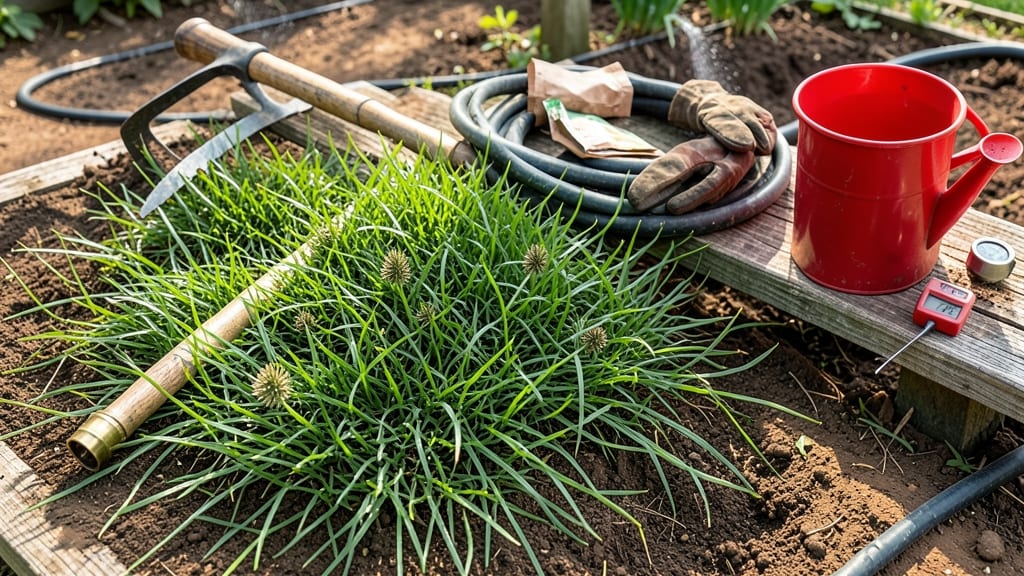
Planting Bermuda grass seed in Georgia at the wrong time can turn your dream lawn into a frustrating gamble—too soon and frost zaps your seedlings, too late and summer heat stresses them before they take root.
This 🌱 warm-season grass thrives when soil temperatures hit 65°F+, but Georgia’s 7a-8b zones create tricky timing. Whether you’re in Atlanta’s Piedmont or Savannah’s coastal belt, knowing the exact window (late April–mid-May or late July–early August) makes all the difference.
I’ll break down the critical soil temps, regional adjustments, and step-by-step prep to ensure your seed germinates strong—not just survives. Skip the guesswork and plant with confidence.
Ready to transform bare spots into lush, drought-resistant grass? Let’s get your timing right the first time.
Optimal soil temperature ranges for planting Bermuda grass seed in Georgia
Bermuda grass thrives in Georgia’s heat, but soil temperature is the real game-changer for successful germination. Unlike cool-season grasses, Bermuda needs warm soil to sprout—typically between 65°F and 75°F.
Planting too early when soil is still cool (<50°F) can leave seeds dormant, while waiting too long risks summer drought stress. Georgia’s USDA zones 7a-8b create microclimates where coastal areas (like Savannah) warm faster than inland cities (like Atlanta).
To nail the timing, use a soil thermometer—stick it 2 inches deep in the ground (where seeds will be) and check readings daily. Morning is best because soil temps drop overnight.
If your thermometer reads below 65°F for more than a week, hold off on planting. Even if the air feels warm, cool soil will stall germination, wasting your seed investment.
Here’s the critical window for Georgia:
| Region | Ideal Planting Window | Soil Temp Threshold | Risk if Planted Too Early |
|---|---|---|---|
| Coastal (Savannah, Brunswick) | Late March–Early April | 65°F+ (soil) | Frost damage (coastal frost risk until mid-April) |
| Piedmont (Atlanta, Macon) | Mid-April–Early May | 68°F+ (soil) | Seed rot from lingering cool, wet soil |
| Northwest (Dalton, Rome) | Late April–Mid-May | 70°F+ (soil) | Slow germination or no sprouts |
| Summer Replant (All Regions) | Late July–Early August | 75°F+ (soil) | Drought stress before establishment |
Georgia’s last frost date averages around March 15, but don’t rush—wait for consistent warmth. A late frost in April can still kill tender seedlings, even if the calendar says spring has arrived.
For example, in Atlanta, I’ve seen frost as late as April 10, while Savannah typically warms enough by March 20. Use your local Cooperative Extension Service frost maps to double-check.
Pro tip: If you’re in doubt, test your soil for 3–5 days. Bury your thermometer in the evening and check it first thing in the morning. Bermuda grass seeds need 24–48 hours of warm soil to start germinating.
If temps dip below 60°F at night, germination slows to a crawl—or stops entirely. This is why late April to early May is the safest window for most of Georgia.
For summer replanting (July–August), aim for 75°F+ soil temps to outpace drought stress. This is especially critical in drought-prone areas like Middle Georgia, where summer rains can be sporadic.
Always water deeply before planting to ensure the seedbed is moist but not soggy. Bermuda grass seeds need consistent moisture to germinate, but standing water will suffocate them.
One common mistake I see is relying on air temperature instead of soil temperature. A 90°F day in May might feel perfect, but if the soil is still 55°F, your seeds will sit dormant.
Invest in a $15 soil thermometer—it’s the difference between a lush Bermuda lawn and a brown, patchy failure. Pair it with a moisture meter to ensure your seedbed isn’t too dry or waterlogged.
Finally, regional heat islands can create microclimates even within cities. For example, urban Atlanta may hit 70°F soil temps a week earlier than rural Barrow County. Walk your yard in the afternoon to spot areas that warm up faster (like south-facing slopes or paved surfaces nearby).
These spots are ideal for early planting if the rest of your lawn isn’t ready.
Once your soil hits the sweet spot of 65–75°F, act fast—Bermuda grass seeds have a short window (7–14 days) before they lose viability in Georgia’s heat. Prep your seedbed, spread the seed, and keep it moist until germination.
With the right timing, you’ll have a dense, drought-resistant lawn by summer.
Step-by-step planting timeline: when to start seeds vs. sod in Georgia’s climate
Georgia’s unpredictable spring rains and sweltering summer heat mean your Bermuda grass planting window is tight. Miss the mark, and you’ll either battle frost damage or struggle with drought-stressed seedlings. The key is aligning your timeline with soil warmth, rainfall patterns, and regional microclimates—whether you’re seeding or laying sod. For direct seeding, aim for late April to mid-May in most of Georgia. This gives your seeds time to germinate before summer’s intensity peaks. Coastal areas like Savannah can start slightly earlier (early April), while inland zones like Atlanta should wait until mid-May to avoid late frosts. If you’re using sod, the window shifts to late spring (May–June) for faster establishment.The first 2 weeks after planting are critical—your seeds need consistent moisture to break dormancy. In Georgia’s erratic spring weather, this often means supplemental watering even if rain falls.
Once seedlings reach 2–3 inches tall, you can taper off to 2–3 waterings per week, focusing on deep soaks in the morning to prevent fungal issues.
🌱 Pro Tip: Use a soil thermometer to confirm 65°F+ soil temps before seeding. Coastal Georgia hits this by early April, while Piedmont areas may wait until mid-May.
Planting too early risks frost damage; too late, and your lawn won’t fill in before summer’s heat stress sets in.
📅 Georgia Bermuda Grass Planting Timeline
- 🌱 March–Early April (Coastal GA): Test soil temps—plant pre-emergence herbicide if weeds are active.
- 🌱 Late April–Mid-May (Most of GA): Direct seed when soil reaches 65°F+ and frost risk passes.
- 💧 First 2 Weeks: Water daily (1 inch/day) to maintain moisture for germination.
- ✂️ 4–6 Weeks Post-Planting: Mow at 3–4 inches tall to encourage density.
- ☀️ June–July: Reduce watering to 2–3x/week once roots establish (1 inch deep).
- 🔄 Late July–Early August: Optional second planting for fall color (common in southern GA).
🌡️ Soil Temp Check: Use a soil thermometer at 4-inch depth—Bermuda grass seeds need 65°F+ to germinate.
If you’re laying sod instead of seeding, shift your timeline 2–3 weeks later—typically May–June. Sod establishes faster (2–3 weeks vs. 6–8 weeks for seed), but it still needs consistent watering for the first month.
In drought-prone areas like West Georgia, consider hydromulching to retain moisture during critical root growth.
One common mistake in Georgia is planting too early and then skipping water when rains slow. Bermuda grass seeds won’t germinate if the soil dries out—even for a few days.
Conversely, overwatering can lead to fungal diseases like brown patch. Aim for moist but not soggy soil, and always water before 10 AM to minimize evaporation.
For coastal Georgia (e.g., Savannah), you can push the second planting window to late July–early August to take advantage of humid summer conditions. Inland areas should avoid this late window due to higher drought risk.
Regardless of location, fertilize lightly (16-4-8 NPK) 4–6 weeks after planting to boost root development before summer’s heat.
Timing your Bermuda grass planting isn’t just about dates—it’s about reading Georgia’s climate cues. Use soil thermometers, monitor frost forecasts, and adjust for your local microclimate. With the right schedule, you’ll have a lush, drought-tolerant lawn by summer’s end—no guesswork required.