
Plants
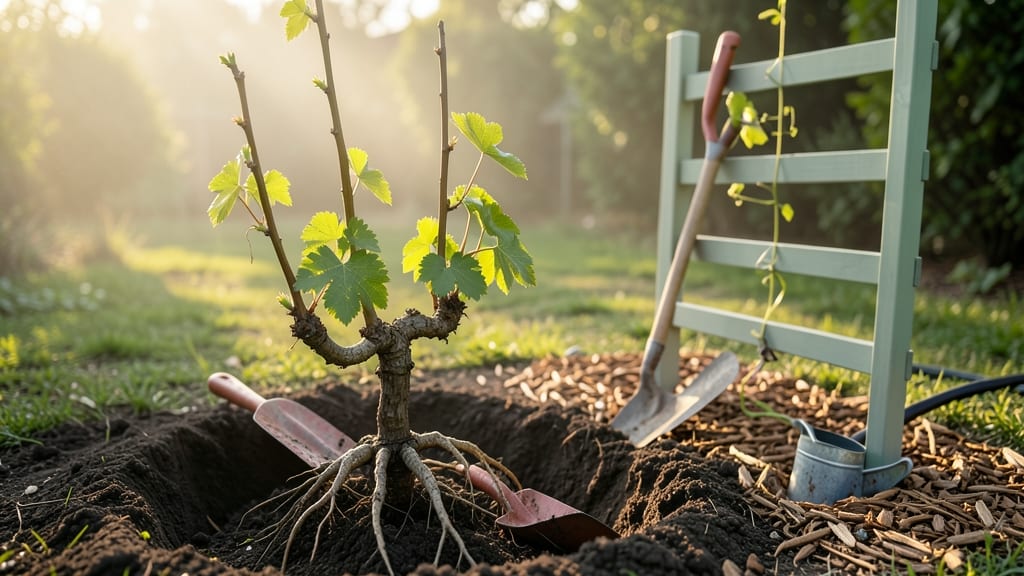
Timing your 🍇 grape planting just right in California could mean the difference between a thriving vineyard and a struggling investment. The perfect window depends on your region's microclimate, and getting it wrong can leave your vines vulnerable to frost or heat stress.
Whether you're growing wine grapes in the cool hills of Northern California or table varieties in the Central Valley's heat, knowing the exact months to plant is critical. I've researched the ideal planting seasons for each zone, so you can avoid common mistakes that hold back vine growth.
You'll discover how to align your planting with soil warmth and frost-free dates, whether you're planting in-ground or in containers. Let's break down the best months by region and give your grapevines the strong start they need for a bountiful harvest.
From understanding your local frost risks to preparing the soil properly, I'll walk you through everything you need to know. With the right timing, you could be enjoying your first grapes in just a few seasons!
Best grapes planting months in California by climate zone
California’s three distinct climate zones—Northern, Central Valley, and Southern—each demand a unique planting window for grapes. Timing your plantings correctly ensures strong root establishment before summer heat or winter frost. Let’s break down the ideal months for each region to maximize your vineyard’s potential.
In Northern California (USDA Zones 7-9), where cooler temperatures and late spring frosts are common, the safest planting window is late April to mid-May. This timing aligns with the last frost date in most areas, giving young vines time to establish roots before summer’s heat peaks.
For the Central Valley (Zones 9-10), characterized by hot summers and mild winters, the optimal planting window shifts to mid-March to early April. Planting earlier here allows vines to acclimate before extreme heat and ensures a full growing season for robust canes.
Southern California’s mild coastal and desert climates (Zones 9-11) offer the most flexibility. Here, you can plant as early as February or extend the window through April. However, avoid planting in peak summer months to prevent stress from heat and drought.
| Region | Climate Zone | Best Planting Window | Key Consideration |
|---|---|---|---|
| Northern California | 7-9 | Late April - Mid-May | Avoid late frosts |
| Central Valley | 9-10 | Mid-March - Early April | Prevent summer heat stress |
| Southern California | 9-11 | February - April | Avoid peak summer drought |
If you’re growing wine grapes like Cabernet Sauvignon or Zinfandel, prioritize early spring planting to ensure vines mature fully before harvest. For table grapes like Thompson Seedless, slightly later plantings in April can work well, especially in cooler regions.
Always check your local frost-free date and adjust planting by 2-3 weeks if your area experiences unusually early or late frosts. For example, high-elevation areas in Northern California may need to delay planting until mid-May for safety.
Container growing extends flexibility—you can plant 6-8 weeks earlier in containers since they warm up faster. However, ensure containers are at least 18 inches deep and have drainage holes to prevent root rot in California’s hot, dry summers.
For fall planting, which is less common but possible in Southern California, aim for September to early October. This allows vines to establish roots before winter rains, but avoid planting too late—you need 4-6 weeks of warm soil for root growth.
Use a soil thermometer to confirm soil temperatures are above 60°F before planting. In most of California, this aligns with the planting windows above, but microclimates near coastlines or mountains may vary.
Pro tip: Plant bare-root vines in early spring when they’re dormant, or potted vines anytime within the recommended windows. Bare-root vines establish faster but require immediate watering after planting.
Best grapes planting months in California by climate zone
California’s three distinct climate zones—Northern, Central Valley, and Southern—each demand different planting windows for grapes. Northern California’s cooler springs delay ideal planting until late April to June, while Central Valley’s heat allows March to April starts. Southern California’s mild winters extend the window to February through April.
Timing matters because frost risk and soil warmth directly impact root establishment.
For Northern California gardeners (e.g., Sonoma, Napa), aim to plant after the last frost date, typically mid-April to early June. Central Valley growers (e.g., Fresno, Madera) can start as early as February if soil temperatures exceed 60°F. Southern California’s coastal regions (e.g., San Diego, Santa Barbara) offer earlier windows due to warmer microclimates, often January to March.
🍇 California Grape Planting Windows by Zone
| Zone | Ideal Planting Months | Soil Temp Requirement | Key Consideration |
|---|---|---|---|
| Northern California | Late April–June | 60–65°F | Avoid late frosts; use frost cloth if needed |
| Central Valley | February–April | 65–70°F | Irrigation critical; mulch heavily to retain moisture |
| Southern California | January–March | 55–60°F | Watch for coastal fog; container planting works well |
🌱 Pro Tip: Use a soil thermometer to confirm readiness—roots won’t establish in cold soil!
If you’re planting bare-root vines, prioritize early spring to give roots 6–8 weeks to establish before summer heat. Potted grapes can handle slightly later planting (up to May in Northern CA), but expect slower initial growth. Fall planting is risky in most zones due to winter rains and disease pressure, though Southern California’s dry falls allow September–October attempts with extra mulch.
Container growers have more flexibility—plant anytime soil is workable, but spring remains ideal for stronger canes. Dwarf varieties (e.g., Thompson Seedless) establish faster, making them better for late-season planting in cooler zones. Always acclimate potted vines for 3–5 days before transplanting to reduce shock.
Check your local frost dates via the USDA Plant Hardiness Zone Map or California Climate Zones tool. Northern CA’s Zone 7–9 faces late frosts, while Southern CA’s Zone 9–11 rarely drops below 40°F. Central Valley’s Zone 9–10 demands immediate irrigation post-planting to combat intense summer heat.
For wine grapes, Cabernet Sauvignon and Zinfandel thrive in Northern/Southern zones with longer growing seasons, while Thompson Seedless suits Central Valley’s heat. Adjust planting dates based on variety maturity—early-ripening types can handle later starts, while late-ripening vines need earlier soil warmth.
🌿 Final Tip: Mark your planting date and track vine growth to predict harvest timing. California’s diverse microclimates mean even nearby regions may have 2–4 week differences—always adjust for elevation and sun exposure!