
Plants
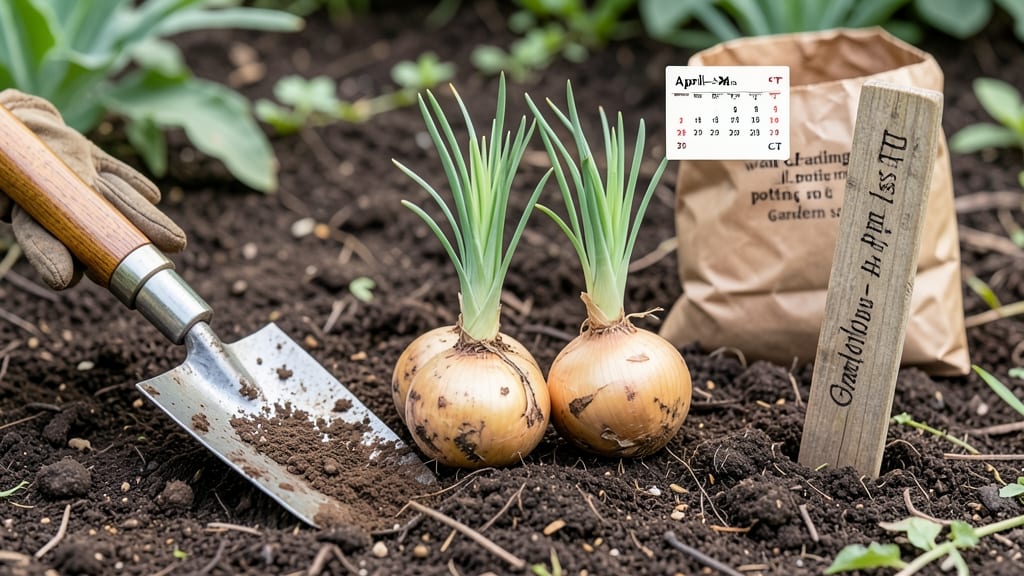
Timing when to plant Gladiolus bulbs in Connecticut just right is the secret to those showstopping summer blooms that make your garden the talk of the neighborhood.
With frost dates that can shift from year to year and soil that warms unevenly across the state, getting this wrong means waiting months for flowers—or worse, no blooms at all.
Here’s the good news: Connecticut’s Zone 6a climate actually works in your favor if you plant at the perfect moment.
The key is waiting until after the last frost (usually mid-April) when soil temperatures hit that sweet spot of 55°F+—but not so late that your summer ends before the flowers even open.
I’ve grown Gladiolus in CT for years, and I’ll show you exactly how to read your local frost data, test soil warmth, and choose planting dates that guarantee vibrant blooms from August through September. No more guessing games—just science-backed timing that works for your backyard.
Let’s dive into the 3 critical factors that separate a mediocre summer garden from one that steals the show. You’ll learn when to plant, how deep to go, and why staggered planting can extend your blooms for weeks longer than you’d expect.
Connecticut frost dates & ideal gladiolus planting windows by Zone
Timing your gladiolus bulb planting in Connecticut hinges on understanding USDA Zones 5-7 and their average last frost dates. Most of the state falls in Zone 6a, where the last spring frost typically occurs between May 1-15.
However, coastal areas (like Zone 6b-7a) may see frost-free conditions as early as April 15, while inland regions can linger until May 20.
Gladiolus bulbs thrive when planted 4-6 weeks after your region's last frost date. This timing ensures soil temperatures reach the 55°F minimum needed for root establishment. In Connecticut, this translates to early May for most gardeners, but coastal plantings can start as early as late April.
Here’s how Connecticut’s microclimates affect your planting schedule:
| Zone | Last Frost Date | Ideal Planting Window | Bloom Timing | Risk if Planted Too Early |
|---|---|---|---|---|
| Zone 5 (northwest CT) | May 15-20 | Late May | July-August | Frost damage to emerging shoots |
| Zone 6a (central CT) | May 1-15 | Early May | Late June-August | Slow growth, stunted blooms |
| Zone 6b-7a (coastal CT) | April 15-30 | Late April-Early May | June-July | Minimal risk (warmer microclimate) |
For gardeners in Zone 5, planting after May 20 ensures bulbs avoid late frosts. Meanwhile, Zone 6a gardeners can start as early as April 20 if using row covers for protection. Coastal gardeners in Zone 7a may even plant gladiolus corms in late March for early blooms.
Pro tip: Use staggered planting—space out your bulbs in 2-week intervals—to extend your bloom season from July through September. This works especially well in Connecticut’s short growing season.
If you’re in doubt about your last frost date, consult your local Cooperative Extension Service or use a frost calendar. Many CT gardeners also rely on local weather apps that track frost predictions in real time.
Remember, gladiolus bulbs are sensitive to cold soil. Planting too early in Zone 5 can lead to rot or failed blooms. Aim for consistent soil temps above 55°F for at least 2 weeks before planting.
For extended blooms, choose early varieties like 'Green Star' (60-65 days to bloom) or late varieties like 'Black Pearl' (75-80 days). This strategy lets you enjoy gladiolus flowers from July through September, even in Connecticut’s cooler summers.
🌸
Soil temperature triggers: how warmth determines gladiolus success in CT
Gladiolus bulbs need consistent warmth to thrive, and Connecticut’s variable soil temperatures can throw off even the best-laid planting plans. Unlike some bulbs that tolerate cooler soil, gladiolus roots struggle below 55°F, while flowering stalls if soil stays under 65°F for too long.
Testing your soil’s warmth before planting is the key to avoiding leggy stems or delayed blooms.
In Connecticut’s USDA Zones 5-7, soil temperatures typically hit the 55°F threshold between mid-April and early May, but this varies wildly between coastal areas (warmer earlier) and inland valleys (colder longer).
For example, New Haven’s soil may warm faster than Hartford’s, so timing your planting to local microclimates can mean the difference between vibrant blooms and struggling plants.
Here’s how to check soil warmth accurately: Insert a soil thermometer 4-6 inches deep (the depth you’ll plant bulbs) on a sunny afternoon. If it reads 60°F or higher, your gladiolus bulbs are ready to go.
If it’s still below 55°F, wait another week—rushing can lead to rot or poor root establishment.
| Stage | Soil Temp (°F) | Action | CT Timeline |
|---|---|---|---|
| Root Growth | 55°F+ | Plant bulbs | Mid-April to early May |
| Flowering | 65°F+ | Bulbs establish roots | Late May to June |
| Peak Bloom | 70°F+ | Full sunlight needed | June to August |
If your soil is too cold when you’re ready to plant, don’t panic. You can warm it faster by covering the bed with black plastic mulch for 1-2 weeks before planting.
This raises soil temps by 5-10°F and speeds up root growth. Just remove the plastic right before planting to avoid overheating the bulbs.
Once planted, gladiolus bulbs in Connecticut benefit from consistent moisture but hate soggy soil. Water deeply once a week (or more in dry spells) to keep the soil evenly moist but not waterlogged.
Mulching with straw or shredded leaves helps maintain steady soil temps and reduces watering needs—critical in CT’s unpredictable summer rains.
Remember, gladiolus bulbs planted in warmer soil will bloom earlier and produce taller, sturdier stems. By aligning your planting with soil warmth (not just frost dates), you’ll unlock longer bloom seasons and healthier plants that thrive in Connecticut’s climate. 🌸