
Plants
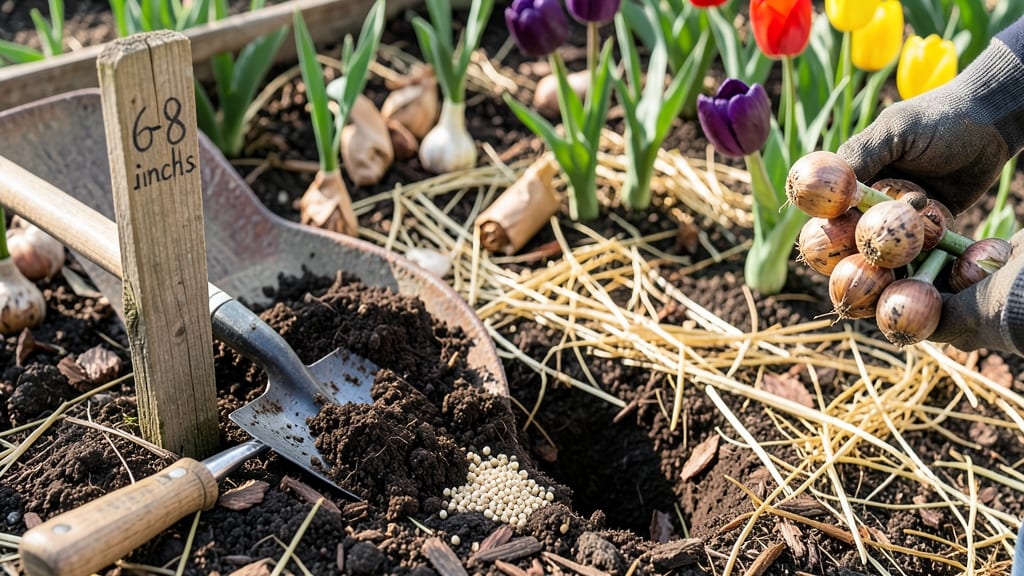
If you’ve ever planted bulbs in Maryland only to watch frost turn your hopes into icy disappointment, you’re not alone—and there’s a simple fix.
The perfect timing for planting bulbs in Maryland’s USDA Zone 7a isn’t just about the calendar; it’s about beating the first frost while giving roots time to establish.
Whether you’re dreaming of spring tulips or late-summer dahlias, missing the window by even a few weeks can mean the difference between a showstopping garden and a sad, half-bloomed season.
Most gardeners in Maryland know fall is the golden window for planting spring-blooming bulbs like daffodils and crocuses, but the exact dates can feel like a moving target. Should you plant in October, when soil is still warm, or wait until November, when the ground cools?
The answer depends on your microclimate—whether you’re in Baltimore’s urban heat pockets or rural Western Maryland’s cooler valleys. I’ll break down the critical deadlines so you can plant with confidence, plus how to adjust if Mother Nature throws a curveball with early frost.
Here’s the game-changer: bulbs planted 6-8 weeks before the ground freezes (usually by mid-November in Zone 7a) have the best shot at thriving. But what if you missed the boat?
Don’t panic—some cold-hardy bulbs, like snowdrops or paperwhite narcissi, can still be tucked into the soil in December or even early spring.
I’ll share my top tips for overcoming Maryland’s wet springs and frost risks, so you can still enjoy those 🌷 blooms next season, no matter when you’re ready to dig in.
Ready to transform your garden? Let’s dive into the exact planting schedule, soil prep secrets, and frost-proofing tricks that’ll have your bulbs popping up like clockwork—because in Maryland, timing isn’t just important; it’s everything.
Maryland bulb planting deadlines by type (fall schedule for Zone 7a)
Maryland’s USDA Zone 7a climate demands precision when planting bulbs—miss the window, and you risk frost damage or weak blooms. The key is planting spring-flowering bulbs (like tulips and daffodils) in fall when soil temps drop to 60°F or below.
Summer bulbs (dahlias, cannas) go in after the last frost, typically April-May, while fall-planted perennials (crocus, alliums) thrive with early-season placement.
For spring bulbs, aim to plant 6-8 weeks before the ground freezes—usually mid-October to early November in Maryland. This gives roots time to establish before winter dormancy. Tulips and hyacinths are most sensitive to late planting, while daffodils and alliums tolerate slightly later dates.
Summer bulbs, like dahlias, need to wait until after April 15 (Maryland’s average last frost date) to avoid frost damage.
Maryland’s microclimates play a huge role in timing. For example, Baltimore’s urban areas (Zone 7b) can handle slightly later plantings due to retained heat, while Western Maryland’s valleys (Zone 6a) may need to plant 2 weeks earlier.
Always check your local frost dates—the Maryland Department of Agriculture provides updated forecasts. If you’re unsure, err on the side of earlier planting; bulbs won’t sprout until spring, so they’re safe underground through winter.
Prepare your soil by amending it with compost or sand to improve drainage—Maryland’s clay-heavy soils can suffocate bulbs if too compacted. Plant bulbs 3 times as deep as their height (e.g., a 2-inch tulip bulb goes 6 inches deep).
Space them 4-6 inches apart for optimal airflow and bloom display. After planting, water deeply to settle the soil and encourage root growth before winter sets in.
For spring planting (February-March), focus on cold-hardy bulbs like paperwhite narcissi or winter aconites. These can handle Maryland’s late frosts better than traditional spring bulbs. If you’re late to the fall planting window, consider container gardening—pots can be moved to a sheltered spot if frost threatens.
Just ensure containers have drainage holes to prevent rot.
Pro tip: Use a garden marker to label your bulbs by type and planting date. This helps you track which varieties need special care (like tulips, which may need staking) and when to expect blooms.
In Maryland, early spring (March-April) is the most exciting time—when daffodils and crocuses push through snow or mud to announce the season’s renewal.
Don’t let Maryland’s unpredictable weather derail your bulb dreams. With this schedule, you’ll enjoy bold blooms from March through October, proving that timing isn’t just a gardening tip—it’s your secret weapon for a showstopping garden. 🌷
How to adjust planting dates for Maryland’s frost risks (early vs late fall)
Maryland’s USDA Zone 7a climate throws curveballs with unpredictable frost dates—especially when you’re comparing Baltimore’s urban heat islands to Western Maryland’s cooler valleys. The general rule is to plant bulbs 6-8 weeks before the ground freezes, but late frosts can push that window tighter than expected.
For example, tulips planted in early November might still sprout before a December freeze, while daffodils (hardier) can handle a little extra chill.
Start by checking your local frost dates. In most of Maryland, the first frost hits around November 15, but rural areas like Frederick County can see frost as early as October 25. Use a soil thermometer to confirm—plant when soil temps drop to 40-50°F.
If you’re in a warmer microclimate (like near the Chesapeake Bay), you might squeeze in a late-November planting, but rural gardeners should aim for October’s first half.
⚠️ Callout Warning
Late Fall Risks: Planting after November 15 increases frost damage. If you’re late, opt for cold-hardy bulbs like crocus or snowdrops, which can handle winter exposure better than tulips.
Adjust for your specific location. Urban areas like Baltimore hold onto heat longer, giving you a 2-week extension compared to rural zones. For example, if your neighbors in Hagerstown plant in early October, you might wait until mid-October in Annapolis.
Always err on the side of earlier planting—bulbs won’t sprout until spring, so they’re safe underground through winter.
Protect late plantings with mulch or row covers. A 3-inch layer of straw insulates soil and prevents temperature swings. For bulbs planted after November 1, add a lightweight frost blanket in December if temperatures dip below 20°F.
This is especially critical for tender bulbs like dahlias, which need extra shielding in Maryland’s Zone 7a edge cases.
Don’t stress if you’re 1-2 weeks late. Many bulbs (like alliums) will still thrive if planted by December 1. Just avoid planting after the ground freezes—frozen soil can damage bulb roots.
If you’re unsure, dig a small hole and check: if the soil is hard and icy, wait until spring planting season (February-March) for late bloomers.
For next year’s success, mark your calendar for October 15–November 1 as your primary planting window. Use a garden journal to track frost dates in your specific area—this helps you fine-tune your schedule.
And remember: well-drained soil is your best defense against frost heave, which can push bulbs out of the ground during freeze-thaw cycles.