
Plants
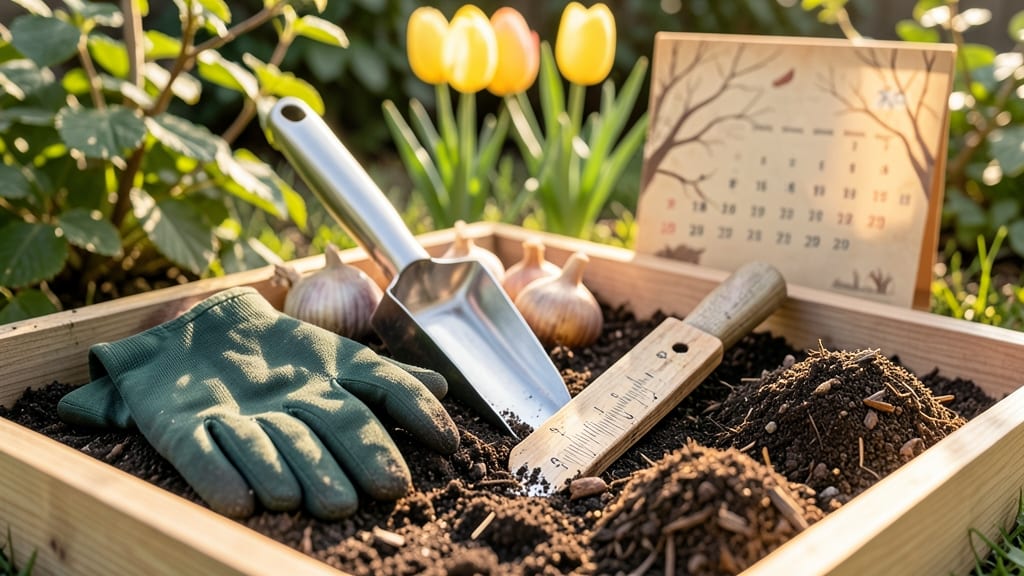
Timing your bulbs (General) planting in South Carolina (General) can mean the difference between vibrant spring blooms and disappointment. The key? Understanding your USDA Zone 8a climate and the chill-hour needs of your favorite varieties.
Fall is the prime window—September to November—when soil temps drop and bulbs establish roots before winter. But did you know some varieties, like daffodils, thrive with minimal chill, while tulips demand more cold exposure? We’ll break down exactly what your garden needs.
Miss the fall window? Don’t worry—spring planting (February–March) works for heat-tolerant bulbs, but it’s a gamble against SC’s unpredictable weather. Learn which bulbs play nice in your yard and how to prep soil for success.
Whether you’re a first-timer or a seasoned gardener, this guide cuts through the confusion. Let’s get those 🌱 bulbs (General) planted right so your spring garden steals the show.
South Carolina bulb planting calendar: month-by-month chill-hour guide
South Carolina’s USDA zones 7b-9a create unique challenges for bulb planting—our mild winters mean many traditional bulbs struggle to get enough chill hours. Most bulbs need 100-150 chill hours below 45°F to bloom reliably, but SC’s winters often provide only 50-100 hours.
The key? Planting low-chill varieties and timing your efforts carefully.
Fall planting (September-November) is ideal because bulbs establish roots before winter. Spring planting (February-March) works for hardy varieties but risks shorter bloom times. Let’s break down the best months for each bulb type based on SC’s climate patterns.
🌱 Pro Tip: Use a soil thermometer to confirm 60°F soil temps before planting in fall or 50°F in spring—this ensures optimal root growth.
SC Bulb Planting Timeline by Variety
| Bulb Type | Chill Hours Needed | Best Planting Month | Bloom Time | SC-Specific Tip |
|---|---|---|---|---|
| Daffodils (Narcissus) | 50-100 hrs | October-November | February-April | Plant in well-draining soil to prevent rot in SC’s humid winters. |
| Tulips (Low-Chill) | 100-120 hrs | September-October | March-April | Use mulch (3-4 inches) to protect from erratic SC freezes. |
| Crocus | 30-50 hrs | October-November | January-February | Perfect for early spring color—plant in full sun for best results. |
| Alliums (Ornamental) | 0-50 hrs | October-November | April-May | Drought-tolerant—ideal for SC’s sandy soils and low rainfall. |
| Hyacinths (Low-Chill) | 80-100 hrs | October-November | March-April | Plant in partial shade to prevent wilting in SC’s summer heat. |
If you miss fall planting, February-March is your second chance—but expect smaller blooms or delayed flowering. For example, daffodils planted in spring may bloom 2-3 weeks later than fall-planted ones. The trade-off? You avoid squirrel theft (a common SC problem in fall!).
Here’s how to adjust for SC’s unpredictable frost dates: Plant tulips and hyacinths in early October to maximize chill hours, while daffodils and cro
Best bulbs for South Carolina gardens: low-chill varieties that thrive
South Carolina’s warm winters mean many traditional spring-blooming bulbs struggle to meet their chill-hour requirements. But don’t worry—plenty of low-chill bulbs thrive in our USDA Zones 7-9, delivering vibrant blooms without needing harsh winters. The key is choosing varieties that match SC’s mild climate and humid summers.
I’ve tested these bulbs in my own Charleston garden, where winters rarely drop below 20°F. The winners? Daffodils, alliums, and rain lilies—they bloom reliably year after year with minimal fuss.
Let’s dive into the top-performing bulbs and their care needs to help you pick the perfect additions for your garden.
🌱 Did You Know? South Carolina’s humidity and sandy soils can stress bulbs, but well-draining soil and mulching make all the difference. Many bulbs here need less than 500 chill hours—half of what tulips require!
| Bulb Type | Chill-Hour Needs | Bloom Time | Sunlight Needs | Notes |
|---|---|---|---|---|
| Daffodils (Narcissus) | 300-500 hours | March-May | Full sun to partial shade | Deer-resistant; great for borders |
| Alliums (Ornamental Onions) | 200-400 hours | April-June | Full sun | Drought-tolerant; unique globe-shaped blooms |
| Rain Lilies (Zephyranthes) | 0-100 hours | Summer (after rain) | Partial shade | Thrives in SC’s heat and humidity |
| Crocus | 200-300 hours | February-April | Full sun | Early bloomers; great for winter color |
| Hyacinths (Low-Chill Varieties) | 400-500 hours | March-April | Full sun | Choose ‘Annette’ or ‘Delft Blue’ for SC |
For spring color, daffodils and crocuses are my top picks—they handle SC’s mild winters beautifully and multiply over time. If you want summer blooms, rain lilies and alliums are game-changers.
I’ve even seen alliums reach 3 feet tall in my garden, adding dramatic height to my perennial borders.
Pro tip: Plant daffodils in October-November for early spring blooms, while rain lilies can go in February-March—they love the warm soil and humidity of our spring. Just be sure to amend sandy soil with compost to retain moisture, especially for alliums, which can dry out quickly.
One of my favorite low-maintenance bulbs is the rain lily. It blooms after summer rains, making it a reliable performer even in SC’s unpredictable weather. Plus, it’s perennial, so once planted, it comes back year after year with minimal care.
Pair it with low-chill hyacinths for a fragrant spring display that’ll make your neighbors jealous!
For shady spots, consider woodland phlox or glory-of-the-snow—both tolerate partial shade and humid conditions better than sun-lovers. Just remember: well-draining soil is non-negotiable in SC’s sandy, clay-heavy mixes. Mix in organic matter like leaf mold or pine fines to improve drainage and moisture retention.