
Companion Plants
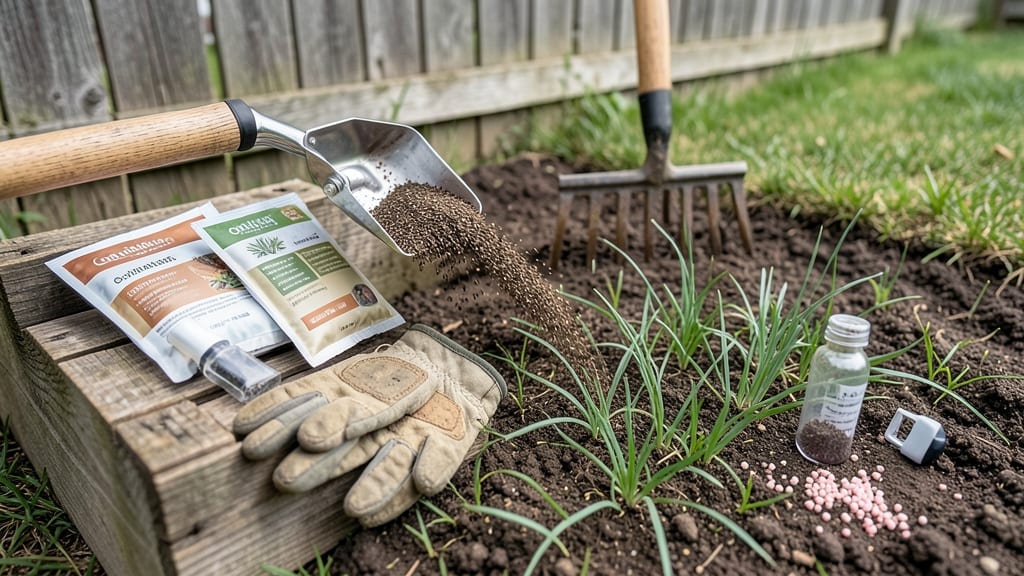
Timing your grass seed planting just right in spring could mean the difference between a lush, green lawn and a patchy, struggling mess. The perfect window depends on more than just the calendar—soil temperature, frost dates, and even your local climate play a starring role.
For most of us in USDA Zone 6a, that ideal time falls around 4-6 weeks before your last frost date, typically in early spring. But here's the catch: planting too early risks frost damage, while waiting too long can leave your grass struggling against summer heat.
Let's break down exactly how to nail this timing for your region.
You'll learn the critical soil temperature range of 50-65°F that signals it's go-time, plus how to prepare your soil for maximum success. Whether you're dealing with clay, sand, or something in between, these prep steps make all the difference in germination rates.
From regional variations to extending your planting window, I'll show you how to give your grass the best possible start. Let's get that lawn growing strong—without the guesswork!
Ideal spring planting windows by region: soil temp & frost-free rules
Planting grass seed in spring requires precision—getting the timing wrong can mean wasted seeds or stunted growth. The perfect window depends on two key factors: soil temperature and frost-free dates.
For most regions, aim to plant 4-6 weeks before your last expected frost, but this shifts dramatically depending on whether you're in USDA Zone 3 or Zone 10. Northern climates need earlier planting, while Southern gardeners can wait longer.
Grass seeds germinate best when soil temperatures hover between 50°F and 65°F. Below 50°F, germination slows or halts entirely, while above 70°F, seeds dry out too quickly. Use a soil thermometer to check—this is the #1 mistake gardeners make when planting too early or late.
In colder zones, this might mean planting in late April, while warmer zones can start as early as February.
Here’s how to align your planting with your region’s unique conditions:
In Northern states (Zones 3-5), the rush to plant early often backfires—seeds sprout, then die in a late frost. I’ve seen this happen in Minnesota and Upstate New York when gardeners plant in March. Wait until soil temps consistently stay above 50°F for at least a week.
For Southern states (Zones 9-10), the challenge is avoiding summer heat. Plant in February to give seedlings time to establish before temperatures climb.
Pro tip: Use the 50°F rule as your guide. If your soil thermometer reads below this for more than 3 days, hold off. In transition zones (Zones 6-8), like Ohio or Virginia, aim for early April—this balances frost risk and heat stress.
Always check your local agricultural extension service for hyper-local advice; their frost date forecasts are gold.
Another critical factor is moisture retention. In dry climates (Zone 7b+), plant when spring rains are forecasted, or you’ll need to water daily for 3 weeks to keep seeds moist.
In wetter areas, like the Pacific Northwest, planting too early can lead to fungal diseases from excess moisture. Adjust your timeline based on your region’s typical spring rainfall patterns.
If you’re unsure about your last frost date, use this trick: Plant a test patch 2 weeks early in a sheltered spot (like near a south-facing fence).
If it survives, you’re in the clear to plant the rest of your lawn. This low-risk method has saved me from multiple failed lawns over the years.
Remember, cool-season grasses (like Kentucky bluegrass or fescue) thrive when planted in early spring, while warm-season grasses (like Bermuda or Zoysia) should wait until late spring or early summer. Mixing up your grass types? Plan accordingly—cool-season seeds need that 50-65°F window, while warm-season varieties prefer 70-80°F soil.
Finally, don’t overlook shade considerations. If your lawn has partial shade, opt for shade-tolerant varieties like fine fescue, which can handle cooler soil temps better than sun-loving tall fescue.
Adjust your planting timeline accordingly—shaded areas stay cooler longer, so you might plant 1-2 weeks later than sunny spots.
5 Critical signs your soil is ready for grass seed (before you plant)
Before you rush to spread that grass seed, your soil needs to meet 5 key conditions for success. Skipping these checks often leads to poor germination or weed competition. Let’s break down what to look for before planting.
First, your soil temperature must stay consistently between 50-65°F for at least a week. Use a soil thermometer to check—cold soil slows germination, while hot soil can dry out seeds too quickly.
Next, test soil moisture by grabbing a handful. It should hold together but not be soggy. If it crumbles, water lightly the day before planting. Overly wet soil suffocates seeds, while dry soil prevents them from sprouting.
Weed control is another critical sign. Pull or spray existing weeds at least 2 weeks before planting. Weeds compete for nutrients and shade out young grass. A clean seedbed gives your new lawn the best start.
Check your soil pH—ideal for grass is 6.0-7.0. Test with a kit or send a sample to your local extension office. Adjust with lime (to raise pH) or sulfur (to lower it) if needed. Proper pH ensures seeds absorb nutrients efficiently.
Finally, level the soil and remove debris like rocks or clumps. Rake to create a fine, even seedbed. Bumpy or compacted soil leads to uneven growth and bare patches. A smooth surface helps seeds make consistent contact with the earth.
🌱
Your Soil Is Ready When...
- Soil temp stays 50-65°F for 7+ days 🌡️
- Moisture holds but drains well (squeeze test) 💧
- Weeds are gone (no regrowth for 2 weeks) ✂️
- pH is 6.0-7.0 (test with kit) 📊
- Surface is level, raked, and debris-free 🪴
For clay-heavy soils, mix in compost or sand to improve drainage. In sandy soils, add organic matter like peat moss to retain moisture. These tweaks create the perfect balance for grass seed to thrive.
Once you’ve confirmed these signs, your lawn is ready for planting. The next step? Choose the right grass seed variety for your climate and foot traffic needs—cool-season grasses like Kentucky bluegrass or fescue work well in most regions.