
Plants
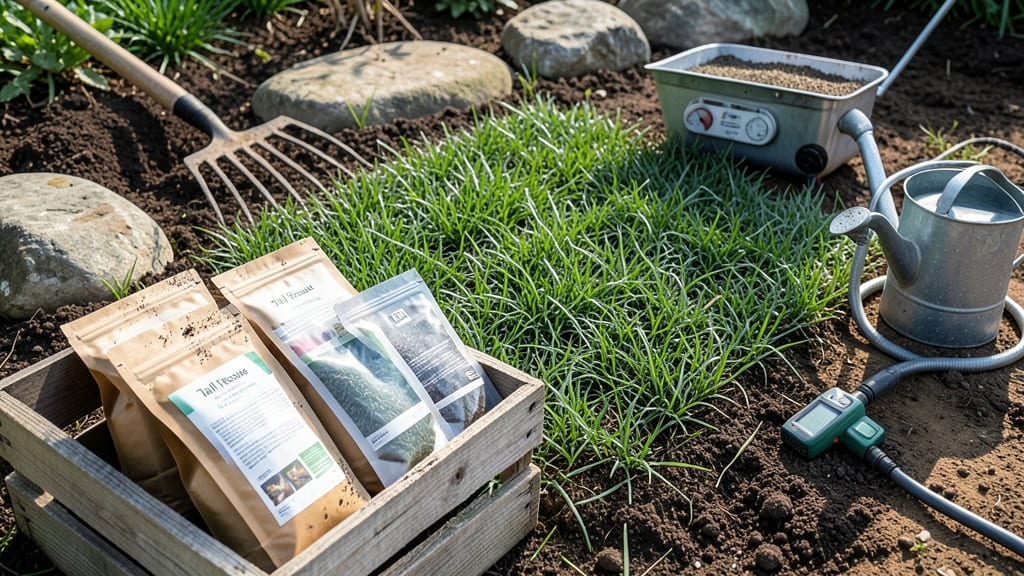
Planting grass seed in the fall at the right time can transform your lawn from patchy to picture-perfect by next spring—but get it wrong, and you’ll waste your effort.
The key lies in timing it perfectly, 4-6 weeks before your first frost, when soil stays warm enough for roots to establish without rushing. In USDA Zone 6a, that means aiming for late August to mid-September, depending on your local frost date.
Why does this window matter so much? Cool-season grasses like Kentucky Bluegrass and fescue thrive when they get a head start on root growth before winter dormancy. Plant too early, and weeds steal the show; too late, and frost zaps your seed before it can take hold.
I’ll walk you through how to check your soil temperature, adjust for your region, and even salvage a late planting with simple tricks.
You don’t need a green thumb to nail this—just a little strategy. Whether you’re seeding a new lawn or repairing bare spots, the right timing and prep work make all the difference.
Let’s break down exactly how to set yourself up for a lawn that’ll be the envy of the neighborhood by spring.
Ready to skip the guesswork? I’ll cover everything from soil prep to post-planting care, so you can plant with confidence—no more second-guessing or wasted seed. Let’s get started.
Best weeks before frost to plant fall grass seed for optimal root growth
Planting grass seed in the fall gives your lawn a head start by allowing roots to establish before winter dormancy. The ideal window is 4-6 weeks before your first frost date.
This timing ensures seedlings have enough time to grow strong roots while avoiding the stress of early cold snaps.
For most regions in the U.S., this translates to late August through mid-September. However, exact timing varies by USDA hardiness zone—northern climates (Zones 3-5) may plant as early as July 15, while southern zones (Zones 7-9) can extend planting until October 15.
Soil temperatures below 60°F (15°C) slow seed germination, so always check your local frost date and adjust accordingly. Cool-season grasses like Kentucky bluegrass and fescue thrive in these conditions, while warm-season grasses (like Bermuda) should be planted in spring.
Here’s a quick reference for your planting timeline based on frost dates and soil conditions:
| Stage | Action | Soil Temp | Frost Window |
|---|---|---|---|
| Preparation | Test soil pH (6.0-7.0 ideal) | 65-75°F (18-24°C) | 4-6 weeks before frost |
| Seeding | Spread seed evenly (1/4 lb per 100 sqft) | 60-70°F (15-21°C) | 3-5 weeks before frost |
| Germination | Keep soil moist (1/2 inch water weekly) | 55-65°F (13-18°C) | 2-4 weeks before frost |
| Root Establishment | Reduce watering as temps drop | Below 50°F (10°C) | 1-2 weeks before frost |
If you’re unsure about your frost date, check the National Weather Service or local agricultural extension service. For example, in Zone 5, aim for September 1-15, while Zone 8 can plant until November 1.
Pro tip: Use a soil thermometer to confirm temperatures are above 55°F (13°C) before planting. If soil is too cold, germination slows drastically, leading to weak seedlings.
Once seeds sprout, maintain consistent moisture for 4-6 weeks. Overwatering can suffocate seeds, while underwatering causes dry patches. Aim for 1/2 inch of water per week until roots are established.
After germination, reduce watering slightly to harden off seedlings. This prepares them for winter dormancy and reduces disease risk from excess moisture.
For best results, apply a light layer of straw mulch (not hay) to protect seeds from birds and retain moisture. This also helps regulate soil temperature during cool nights.
By following these 4-6 week pre-frost guidelines, your grass will develop a deep root system before winter, resulting in a thicker, greener lawn next spring. 🌱
How to adjust planting timing by climate Zone and grass type
Fall grass seed planting isn’t a one-size-fits-all task—your local climate and grass type play huge roles in determining the perfect window.
Cool-season grasses like Kentucky bluegrass, tall fescue, and ryegrass thrive when planted in the 60-75°F soil temperature range, which typically aligns with late summer to early fall in most U.S. regions.
In Northern climates (USDA zones 3-5), aim to plant 4-6 weeks before your first frost date. For example, if frost arrives around October 15, seed your lawn by mid-to-late September. Southern regions (zones 7-9) have more flexibility—plant as late as mid-November since frost arrives much later.
Your grass type also dictates timing. Fine fescue and creeping red fescue establish quickly and handle cooler soils, so they can go in slightly later. Meanwhile, Kentucky bluegrass needs warmer soil to germinate, so plant it 2-3 weeks earlier than fescue varieties.
| Climate Zone | Ideal Planting Window | Grass Types | Soil Temp Range |
|---|---|---|---|
| Northern (Zones 3-5) | Mid-September to early October | Kentucky Bluegrass, Tall Fescue, Ryegrass | 60-75°F |
| Mid-Atlantic (Zones 6-7) | Late August to mid-October | Fine Fescue, Creeping Red Fescue | 55-70°F |
| Southern (Zones 8-9) | September to early November | St. Augustine, Bermuda (warm-season) | 75-85°F |
| Mountain Regions | Late August to early September | Tall Fescue, Hard Fescue | 50-65°F |
For warm-season grasses like Bermuda or Zoysia, fall planting is less common, but you can overseed with ryegrass in late September for winter coverage. Always check your local frost dates—extension offices provide free, region-specific data to avoid costly mistakes.
Pro tip: If your area experiences unpredictable weather, err on the earlier side. Grass needs 4-6 weeks to establish roots before winter dormancy. Late planting risks weak growth or frost damage before roots can anchor.
Don’t forget to prep your soil first—loosen the top 2-3 inches, remove debris, and level uneven spots. The right timing paired with proper prep sets your lawn up for a thicker, greener spring. 🌱