
Plants
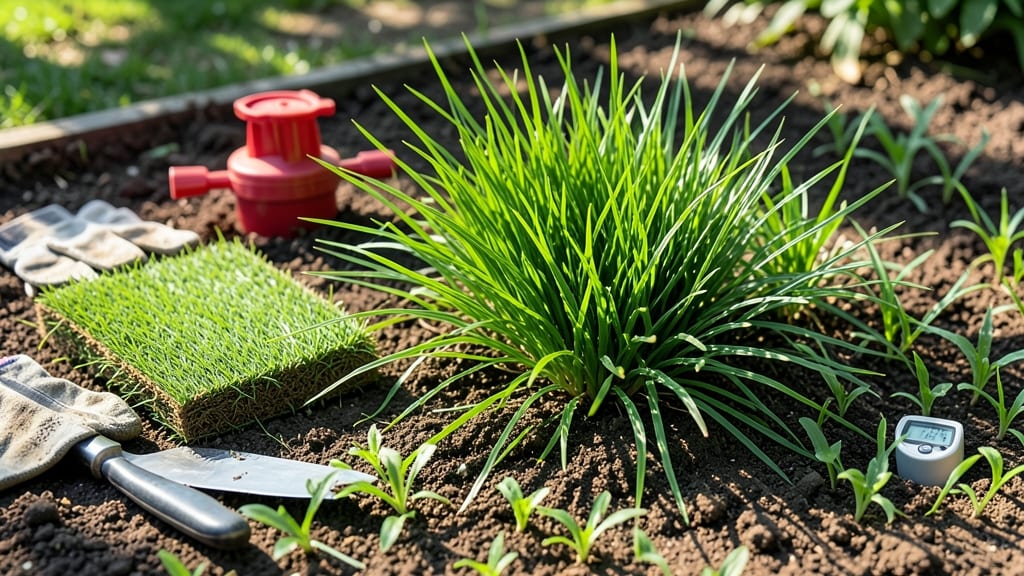
Planting Bermuda grass 🌱 at the wrong time in Oklahoma can mean weeks of slow growth—or worse, a lawn that never takes off. The key to a thick, green carpet starts with timing, and getting it right means faster root establishment and a lawn that thrives all season long.
If you've ever watched your neighbors' lawns explode with vibrant growth while yours struggles, you're not alone. Oklahoma's climate—with its hot summers and unpredictable springs—demands precision.
The best window isn't just "spring" or "summer"; it's early spring (March-April) or late summer (July-August), when soil temperatures hit that sweet spot for germination.
I'll break down exactly why these months work best for your USDA zones 6a-8a, how to prep your soil for success, and the simple steps to ensure your Bermuda grass takes root in just 3-4 weeks—not months. Ready to transform your lawn from patchy to picture-perfect?
Let's dive into the exact planting schedule, soil prep secrets, and post-planting care that'll have your grass growing faster than you can say "mow." Your dream lawn starts with the right timing—and I've got the details to make it happen.
Best months to plant Bermuda grass in Oklahoma for fast root growth
Bermuda grass (Cynodon dactylon) is Oklahoma’s go-to choice for a heat-tolerant, drought-resistant lawn—but timing is everything. Planting too early or late can stunt root growth and leave your yard vulnerable to weeds.
The ideal window depends on whether you’re planting from seed, plugs, or sod, and Oklahoma’s microclimates (north vs. south) play a big role.
For spring planting, aim for late April to early May when soil temperatures consistently reach 65°F+. This gives roots 8–10 weeks to establish before summer heat peaks. Fall planting (late August to early September) is also ideal, allowing roots to strengthen before winter dormancy.
Avoid planting in June or July—intense heat stresses young grass, slowing growth by up to 50%.
Soil temperature is your best indicator. Use a soil thermometer to confirm 65°F+ at 4-inch depth. In northern Oklahoma (USDA Zone 6a–7a), wait until mid-April; in southern Oklahoma (Zone 7b–8a), early April works. Cold soil (below 60°F) delays germination and invites fungal diseases like brown patch.
Bermuda grass spreads aggressively, so root depth matters. Seedlings need 2–3 inches of root before summer’s first heatwave. Planting in late summer (August) gives roots 6–8 weeks to establish before frost risk arrives. Pro tip: Water deeply after planting—1–1.5 inches per week—to encourage root penetration.
Here’s the golden rule: Plant when daytime highs are 80°F+ but nights stay above 60°F. This balance speeds germination and reduces stress. In Oklahoma City (Zone 7a), this aligns with late April; in Tulsa (Zone 7b), it’s early April.
Miss this window, and you risk slow, patchy growth or even failure.
🌱 Bermuda Grass Planting Timeline for Oklahoma
| Season | Best Planting Month | Soil Temp Requirement | Root Establishment Time |
|---|---|---|---|
| Spring | Late April–Early May | 65°F+ at 4" | 8–10 weeks |
| Fall | Late August–Early September | 65°F+ at 4" | 6–8 weeks |
| ⚠️ Avoid Planting: June–July (extreme heat), February–March (frost risk) | |||
*Root establishment time varies by method: seed (10–12 weeks), plugs (6–8 weeks), sod (4–6 weeks).
Choosing the right planting method also impacts timing. Sod establishes fastest (4–6 weeks) but requires immediate watering. Plugs (4"x4" squares) take 6–8 weeks to fill gaps, while seed needs 10–12 weeks—so plant seed 4–6 weeks earlier than sod or plugs.
For example, if you’re sodding in late April, seed should go in early April.
Oklahoma’s northern vs. southern divide matters too. In Zone 6a (e.g., Woodward), wait until mid-May for spring planting due to later frost dates. In Zone 8a (e.g., Lawton), early April is safe.
Use your local cooperative extension office for precise frost data—this can shift planting by 2–3 weeks.
After planting, mow high (3–4 inches) to shade roots and reduce evaporation. Bermuda grass is drought-tolerant once established, but young lawns need consistent moisture. Deep watering 2–3 times per week (1–1.5 inches total) prevents shallow roots. Skip night watering—fungus thrives in damp grass.
Pro tip: Test your soil before planting. Bermuda grass prefers pH 6.0–7.0 and well-draining soil. Amend clay soil with compost or sand to prevent waterlogging. In sandy soils, add organic matter to retain moisture. A simple $20 soil test kit saves time and money by avoiding over-fertilization.
Timing isn’t just about months—it’s about weather patterns. Check the 7-day forecast for stable temperatures (no sudden drops below 50°F) and minimal rain (1 inch or less per week).
Oklahoma’s spring thunderstorms can wash away seed or sod, so plant on calm days and water gently afterward.
How Oklahoma’s climate affects Bermuda grass planting success
Oklahoma’s diverse climate—from the humid southeast to the drier panhandle—plays a huge role in when and how you plant Bermuda grass. Understanding these regional differences helps you choose the right planting method (seed, sod, or plugs) and watering schedule for your lawn’s success.
Let’s break it down by region to ensure your grass thrives.
In northern Oklahoma (like Oklahoma City, USDA Zone 7a), cooler springs and shorter growing seasons demand earlier spring planting (late April) and soil temperatures above 65°F.
Meanwhile, southern Oklahoma (Tulsa, Zone 7b-8a) enjoys longer summers, allowing for late summer planting (August) with faster root establishment due to warmer soil.
Humidity levels also matter: Southern regions experience higher humidity, which can slow seed germination. To combat this, use drought-resistant varieties like Tifway 419 or Riverstar and water deeply but less frequently to encourage strong root growth.
In contrast, northern areas benefit from sod or plugs for quicker coverage before winter sets in.
Heat spikes in summer (especially June–July) can stress newly planted grass. If planting in late August, focus on evening watering to reduce evaporation and mulch lightly to retain moisture. Avoid planting in peak summer months (June) unless you’re using shade cloth to protect young seedlings from intense sun.
Rainfall patterns vary too: Southern Oklahoma gets more consistent summer rains, while western regions (like Lawton) face drought conditions. Adjust your irrigation schedule—northern lawns may need supplemental watering in early spring, while southern lawns might require drainage solutions to prevent fungal issues from excess moisture.
Here’s how to adapt your approach based on Oklahoma’s microclimates:
| Region | Best Planting Window | Key Climate Factor | Recommended Variety | Watering Tip |
|---|---|---|---|---|
| Northern OK (OKC, Zone 7a) | Late April–May | Cooler springs, shorter season | Tifway 419 (cold-tolerant) | Water morning/evening |
| Southern OK (Tulsa, Zone 7b-8a) | Late August–early Sept | Hotter, humid summers | Riverstar (drought-resistant) | Deep watering, less frequent |
| Western OK (Lawton, Zone 7a) | April or sod in Sept | Drier, variable rainfall | Midiron (heat/drought-tolerant) | Drip irrigation recommended |
Pro tip: Test your soil pH (ideal range: 6.0–7.0) before planting—southern soils often need lime amendments, while northern soils may require sulfur to lower pH. Use a lawn soil test kit from your local Oklahoma Cooperative Extension for precise guidance.
By tailoring your planting timing, variety choice, and watering to your specific region, you’ll give your Bermuda grass the best shot at establishing a thick, green lawn that stands up to Oklahoma’s challenges. 🌱