
Companion Plants
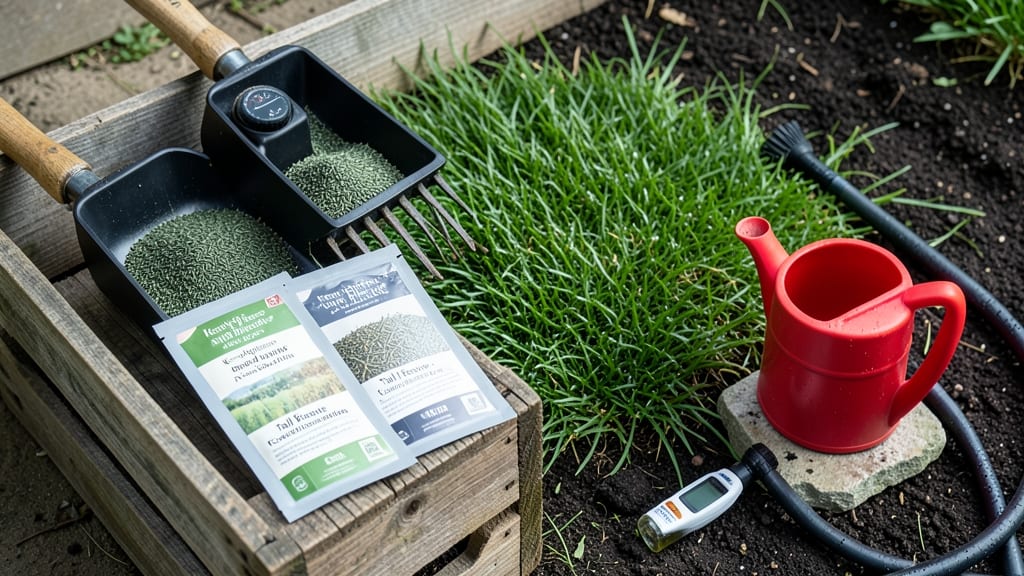
Planting grass seed at the wrong time in Michigan can turn your green dreams into a costly mistake—especially when unpredictable frost and soil temperatures throw off even the best-laid plans.
The key to a lush, resilient lawn isn’t just picking a random weekend in spring; it’s understanding when your soil temperature and local frost patterns align for optimal germination.
Whether you’re in the Upper Peninsula’s cooler Zone 5a or southern Michigan’s milder Zone 6b, timing matters more than you think.
Most gardeners assume early spring is the only window, but Michigan’s climate actually favors two prime planting periods: early fall and late spring. Why?
Because cool-season grasses like Kentucky bluegrass and tall fescue—the staples of Michigan lawns—thrive when soil hits 50-60°F, a sweet spot that arrives earlier in fall than you’d expect.
Skipping this window means battling weeds, fungal diseases, or seed that simply won’t sprout, no matter how much you water.
I’ve seen firsthand how a misjudged planting date can leave patches of dirt where grass should be, or worse, a lawn that looks great for a month before fading into frustration. The good news?
With the right soil temp checklist and a few pro tips, you can avoid these pitfalls and get your 🌱 grass seed off to a flying start—regardless of whether you’re in Detroit, Traverse City, or the Thumb.
In this guide, I’ll break down exactly when to plant in your specific Michigan region, how to test soil temperature like a pro, and which grass varieties play best with our climate. Let’s get your lawn growing right—no guesswork, no regrets.
Michigan’s ideal grass seed planting windows by region (soil temp guide)
Michigan’s climate varies dramatically from the Upper Peninsula to Southern Michigan, making a one-size-fits-all planting window impossible. Cool-season grasses like Kentucky bluegrass and tall fescue dominate here, thriving when soil temperatures hover between 50°F and 60°F.
Planting too early risks frost damage, while waiting too late invites summer weeds and drought stress.
For most of Michigan, early fall (September-October) and late spring (April-May) are the sweet spots. Fall planting gives seeds time to establish roots before winter, while spring planting aligns with natural rainfall patterns.
However, your exact timing depends on whether you’re in Zone 5a (UP) or Zone 6b (southern Michigan).
🌱 Pro Tip: Use a soil thermometer (not air temperature!) to confirm readiness. Seeds won’t germinate until the soil consistently stays above 50°F for 5+ days.
Spring planting in Michigan offers 6–8 weeks of warm soil before summer heat sets in, but seeds must compete with crabgrass and other weeds. Fall planting, however, gives grass a head start on root growth before winter dormancy.
Aim to plant 4–6 weeks before the first frost (typically mid-October in most regions).
🌡️ Critical Mistake: Planting in June or July is a common error. Soil temperatures often exceed 70°F, causing seeds to dry out or sprout too quickly, leading to weak, shallow roots. If you miss the spring/fall windows, consider overseeding in early spring instead.
Microclimates matter too. South-facing slopes warm up faster in spring, while low-lying areas may stay cooler longer. Test multiple spots with your soil thermometer to find the warmest, most consistent location. In urban areas, pavement can create "heat islands," advancing soil warming by 1–2 weeks compared to rural sites.
For new lawns, prioritize fall planting—studies show fall-seeded lawns in Michigan establish 30% faster than spring-planted ones due to cooler air temperatures reducing stress. If you’re repairing a damaged lawn, spring overseeding (late April) can fill bare patches before summer.
✂️ Action Step: Mark your calendar for September 1–15 (fall) or April 15–30 (spring) based on your region. Set a reminder to test soil temps 1–2 weeks before your target date to confirm readiness.
How to test soil temperature and avoid Michigan’s most common planting mistakes
Testing your soil temperature before planting grass seed in Michigan isn’t just a suggestion—it’s the key to avoiding seed dormancy and wasted effort. Cool-season grasses like Kentucky bluegrass and tall fescue need soil temps between 50-60°F to germinate properly, while warm-season options like buffalograss prefer warmer soil.
Skipping this step often leads to seeds sprouting too late or not at all, leaving your lawn vulnerable to weeds or fungal diseases.
Michigan’s unpredictable frost dates (mid-April to early May for last frost, mid-October to early November for first frost) make timing even trickier. Planting too early risks seed washout from spring rains, while late planting can leave your lawn thin and patchy.
The solution? A simple soil thermometer and a little patience to check conditions before you spread that first seed.
- Planting in cold soil (<45°F) causes seed dormancy and slow germination.
- Ignoring frost dates leads to seeds washing away in spring rains.
- Overwatering new seed can suffocate seeds and cause fungal growth.
- Skipping soil prep (tilling, compost) results in poor seed-to-soil contact.
To test your soil temperature, use a soil thermometer (available for under $10) and check temps at 4-inch depth—this mimics where seeds will germinate. Early spring and fall are the safest windows, but always wait until soil hits 50°F consistently for 5-7 days.
Pro tip: Morning is the best time to test, as soil temps fluctuate less than afternoon readings.
If your soil is too cold, don’t panic—fall planting (September to early October) is often more successful than spring in Michigan. Cooler air temps help retain soil moisture, and seeds have time to establish roots before winter dormancy.
Just avoid planting after mid-October, as new growth won’t survive frost.
Another common mistake? Skipping soil prep. Before planting, till the area to a depth of 2-3 inches, remove debris, and loosen compacted soil. Add a starter fertilizer (low nitrogen, high phosphorus) to encourage root growth.
For bare spots, overseeding in late summer (August) can fill gaps before winter, but avoid this if your lawn has fungal issues like dollar spot.
Finally, watch for volunteer weeds—they’ll sprout alongside your grass seed if you plant too late. Pre-emergent herbicides can help, but apply them 2-4 weeks before planting to avoid harming your new seedlings.
With the right soil temp, timing, and prep, your Michigan lawn will be lush and resilient in no time.