
Plants
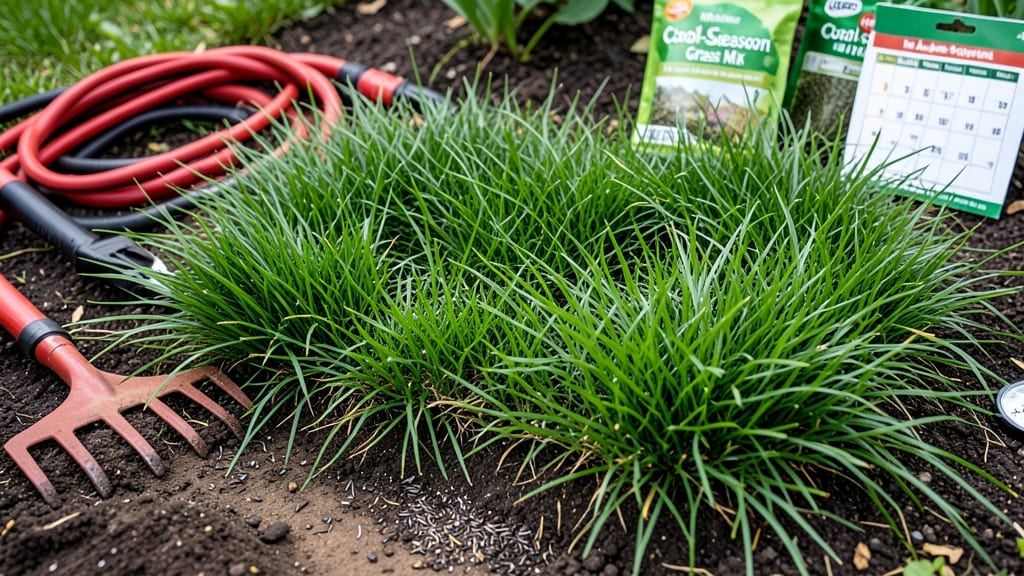
If you're staring at your patchy lawn in late September and wondering whether to plant Grass Seed (Turfgrass) 🌱 one last time, the answer isn't as simple as "yes" or "no." Michigan's unpredictable frost dates and soil temperatures can turn a late planting into a gamble—or a smart move, depending on how you approach it.
The key is understanding your USDA 5b-6b zone's last viable window. While early fall (around September) is ideal, pushing too late risks weak roots before winter dormancy. We'll break down exactly when to draw the line, plus pro tips to extend your window if conditions cooperate.
You'll also learn how to spot the warning signs of a failed late planting—because sometimes, the best move is to wait until spring. Let's dig into the science and strategies that separate successful lawns from wasted seed.
Whether you're in the Upper Peninsula or southern Michigan, these insights will help you make the right call before the first frost locks the soil. Ready to turn your lawn dreams into reality?
Michigan grass seed planting deadline: late September cutoff explained
Michigan’s first frost typically arrives in mid-October, but that doesn’t mean you can wait until then to plant grass seed. For strong root establishment, aim to finish planting 4-6 weeks before frost—that’s usually by late September.
Grass needs 3-4 weeks to germinate and develop a root system resilient enough to survive winter dormancy.
In USDA Zones 5b-6b (covering most of Michigan), soil temperatures must stay above 50°F (10°C) for germination. By early October, daytime temps often dip below this threshold, slowing or stopping growth entirely. Northern Michigan (Zone 5b) faces earlier frost risks than southern regions (Zone 6b), so adjust your timeline accordingly.
Here’s the key rule: Plant grass seed no later than mid-September in northern Michigan and late September in southern areas. This timing ensures seedlings have 4-6 weeks of warm soil to establish before winter sets in.
| Region | Last Planting Window | Soil Temp Threshold | Root Establishment Risk |
|---|---|---|---|
| Northern Michigan (Zone 5b) | Mid-September | 50-55°F (10-13°C) | High (early frost risk) |
| Southern Michigan (Zone 6b) | Late September | 50-60°F (10-16°C) | Moderate (milder winters) |
| Upper Peninsula (Zone 4b) | Early September | 45-50°F (7-10°C) | Very High (short growing season) |
Grass seed planted after mid-October rarely survives Michigan winters. The roots won’t have time to penetrate deeply enough to access moisture and nutrients, leaving seedlings vulnerable to freeze-thaw cycles and snow mold. Even if sprouts appear, they’ll likely die back in early winter, forcing you to replant in spring.
For fall planting success, focus on cool-season grasses like Kentucky Bluegrass, Fine Fescue, or Tall Fescue. These varieties tolerate cooler temps and establish faster than warm-season options. Always check the seed packet for recommended planting dates—some blends specify earlier deadlines.
If you’re in Zone 5b or colder, consider cold-hardy varieties like Creeping Red Fescue, which can handle shorter growing seasons. These grasses prioritize root growth over top growth, giving them a survival advantage in Michigan’s unpredictable fall weather.
Watch for early frost warnings from local weather services. If frost is forecast within 2-3 weeks of planting, delay until spring. Grass seed won’t germinate below 40°F (4°C), so don’t rush if temperatures drop unexpectedly.
Pro tip: Use a soil thermometer to confirm temps are consistently above 50°F during the day. If readings dip below this, wait until soil warms again—even a 5°F drop can stall germination for days.
Remember, late planting ≠ wasted effort if you choose the right grass type and prepare the soil properly. But pushing past late September in most of Michigan means gambling with your lawn’s survival. When in doubt, err on the side of caution and plant earlier.
Michigan grass seed planting deadline: late September cutoff explained
Michigan’s USDA Zones 5b-6b create a tight window for fall grass seed planting. The late-September cutoff isn’t arbitrary—it’s based on soil temperature thresholds and root establishment before winter dormancy. Grass seeds need 50-60°F soil temps to germinate, but roots must strengthen before consistent frost hits (typically mid-October).
In southern Michigan (e.g., Detroit, Kalamazoo), you might squeeze in seed until early October if temperatures stay mild. But in the Upper Peninsula (Marquette, Sault Ste. Marie), mid-September is the safer deadline due to earlier frosts.
Always check your local frost dates—planting 4-6 weeks before the first frost gives roots time to establish.
| Factor | Southern Michigan | Northern Michigan |
|---|---|---|
| Last Planting Window | Early October | Mid-September |
| Soil Temp Threshold | 50-60°F (late Sept) | 50-60°F (early Sept) |
| First Frost Risk | Mid-October | Late September |
| Root Establishment Time | 4-6 weeks | 4-5 weeks |
Planting after mid-September in northern Michigan or early October in the south risks weak germination and winter kill. Grass seeds planted too late may not develop deep roots before frost, leaving them vulnerable to heaving (roots breaking through frozen soil) or disease from prolonged moisture.
Even if seeds sprout, they’ll struggle to outcompete weeds in spring.
For Kentucky Bluegrass (a popular Michigan choice), aim for late August to early September planting. Fine Fescue and Tall Fescue are more cold-hardy and can handle slightly later plantings, but don’t push past mid-October anywhere in the state.
Always test your soil’s moisture and temperature—a soil thermometer is your best friend here.
If you miss the fall window, don’t panic. Spring planting (after last frost, usually mid-April) is your backup. But fall-seeded grass will outperform spring plantings by establishing deeper roots before summer heat stress.
The key is soil prep: loosen soil, remove weeds, and add compost to ensure seeds have the best chance to thrive.
Pro tip: Use a seed-to-soil contact spray (like a light mist) to help seeds stick to the ground—this is especially critical in windy Michigan conditions. And if you’re in a microclimate (like a sheltered south-facing slope), you might extend your window by 1-2 weeks.
But trust the data: late September is your cutoff for most of the state.