
Companion Plants
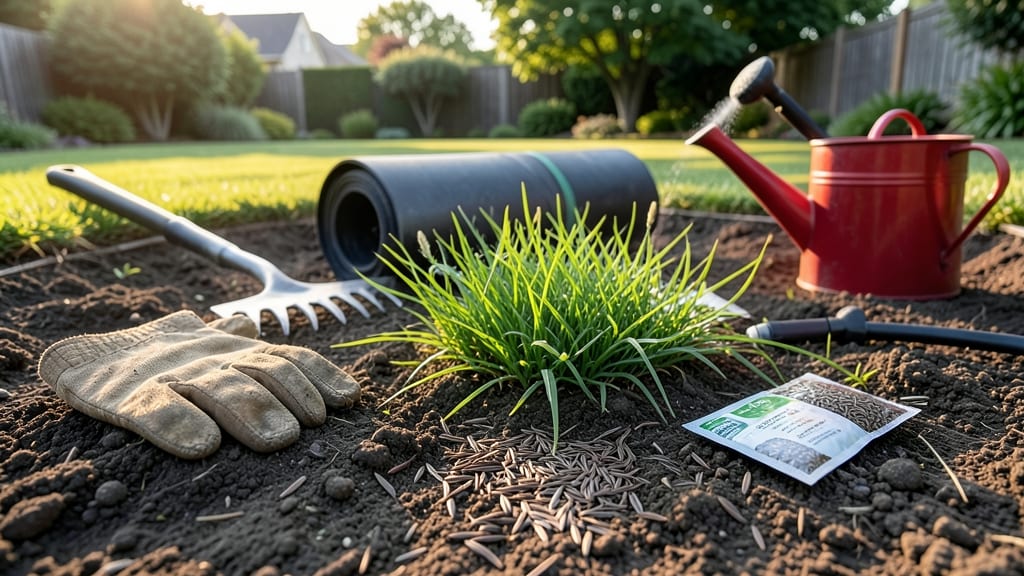
Timing your spring grass planting perfectly can mean the difference between a lush, green lawn and months of patchy brown spots—so don’t guess. The right soil temperature, frost-free window, and regional climate all play critical roles in success.
I’ve seen firsthand how just a few weeks too early or late can throw off your entire lawn’s growth cycle. Whether you’re in USDA Zone 6a or another region, understanding when to plant your 🌱 Grass (Lawn) seeds is the key to avoiding common mistakes.
Let’s break down the exact conditions you need for a thriving spring lawn.
Most gardeners focus on calendar months, but the real secret lies in soil temperature. Cool-season grasses like Kentucky bluegrass thrive when the ground warms to 50–55°F, while warm-season types need 60°F+. I’ll show you how to check your soil and adjust your planting timeline for peak germination.
Ready to transform your yard? By the end of this guide, you’ll know exactly when to plant—plus how to prep your soil, choose the right seeds, and keep your new grass healthy all season. Let’s get started!
Spring grass planting dates based on soil temperature (not calendar months)
Planting grass in spring isn’t about following a calendar—it’s about soil temperature. Cool-season grasses (like Kentucky bluegrass and fescue) need soil temps between 40–55°F (4–13°C), while warm-season grasses (like Bermuda or Zoysia) thrive when soil hits 60–65°F (15–18°C).
Ignoring this rule often leads to slow germination or seed rot.
Most gardeners mistakenly plant too early, risking frost damage or dormant seeds. Instead, use a soil thermometer (just $10 at garden centers) to check temps 2–3 inches deep.
In USDA Zone 5, this might mean waiting until late April, while Zone 8 could start as early as mid-March.
Avoid planting when soil is too cold (below 40°F) or too warm (above 70°F). Cool-season grasses planted in hot soil will dry out before sprouting, while warm-season grasses in cold soil won’t germinate at all. Timing is everything!
🌱
| Grass Type | Ideal Soil Temp | Best Planting Window | Regional Example |
|---|---|---|---|
| Cool-Season Grasses | 40–55°F (4–13°C) | 4–6 weeks before last frost | Zone 5: Late April Zone 7: Early March |
| Warm-Season Grasses | 60–65°F (15–18°C) | After last frost (soil warm) | Zone 8: Mid-March Zone 10: February |
| Ryegrass (Fast-Germinating) | 35–50°F (2–10°C) | Early spring or fall | All zones: Late February–March |
If you’re in doubt, opt for cool-season grasses—they’re more forgiving. For example, tall fescue can handle a wider temperature range (35–95°F) and germinates faster than Kentucky bluegrass, which needs consistent moisture to sprout.
Pro tip: Test your soil’s moisture level too. Dry soil can trick you into thinking it’s warm enough, but seeds need 1–1.5 inches of water weekly to germinate. Use a rain gauge or tuna can to measure—aim for deep, infrequent watering (not light daily sprinkles).
Common mistakes? Planting when soil is too wet (causes rot) or too dry (seeds won’t activate). Always rake seeds into 1/4-inch soil and lightly cover with compost for protection. A light mulch (like straw) helps retain moisture without smothering sprouts.
For northern climates, aim to finish planting 6 weeks before your average last frost date. Check the USDA Plant Hardiness Zone Map and add 2–4 weeks of buffer for safety.
In southern regions, warm-season grasses like St. Augustine can go in as early as February, but avoid planting in peak summer heat (above 85°F).
🌿
Remember: Soil temp > calendar date. A soil thermometer is your best friend—skip guessing and plant when conditions are truly right. Patience now means a thicker, greener lawn in just 2–4 weeks!
How to calculate your last frost date and adjust planting timing
Your last frost date is the single most important factor in scheduling spring grass planting. While many gardeners guess based on calendar months, precise timing ensures your seeds germinate before unexpected frosts.
Start by checking the USDA Plant Hardiness Zone Map for your area—this gives you a baseline for average frost dates.
Next, refine your estimate using local weather data. Websites like the National Oceanic and Atmospheric Administration (NOAA) or apps like Old Farmer’s Almanac provide historical frost records.
For example, in USDA Zone 5, the last frost typically falls around April 20, while in Zone 8, it’s closer to March 15. Adjust these dates by 1-2 weeks if your microclimate (e.g., urban heat islands or valley locations) runs warmer or cooler.
🌱Pro Tip: Add 4-6 weeks to your last frost date to determine the ideal planting window for cool-season grasses like Kentucky bluegrass or fescue. Warm-season grasses (e.g., Bermuda, Zoysia) need to wait until soil temperatures hit 60°F+, which often aligns with 2-4 weeks after the last frost.
Step-by-Step Guide to Calculating Your Planting Window
- Step 1: Find your USDA Zone and note the average last frost date.
- Step 2: Check local weather records for the past 5 years to account for variations.
- Step 3: Adjust for microclimates (e.g., slopes, urban areas, or bodies of water).
- Step 4: For cool-season grasses, plant 4-6 weeks before your adjusted last frost date.
- Step 5: For warm-season grasses, wait until soil reaches 60°F+ (typically 2-4 weeks after last frost).
- Step 6: Use a soil thermometer to confirm temperatures before planting.
Why It Matters: Planting too early risks frost damage, while planting too late delays germination and invites weeds. 🌿
Don’t overlook elevation adjustments. Areas 1,000 feet above sea level can experience frost 1-2 weeks later than nearby lowlands. For example, a Zone 7 garden at 3,000 feet may align more closely with Zone 6 frost dates.
Use this rule of thumb: subtract 1 frost-free day for every 300 feet in elevation.
Finally, monitor weekly weather forecasts in the days leading up to planting. A late-season frost can devastate young seedlings, so have a row cover or frost cloth ready to protect your lawn until grass reaches 2-3 inches tall.
This extra precaution ensures your investment in seeds and soil prep pays off with a thick, healthy lawn by summer.
✅Success Check: Confirm your soil is 50°F+ for cool-season grasses or 60°F+ for warm-season before planting. Use a soil thermometer for accuracy—don’t rely on air temperature alone!