
Trees
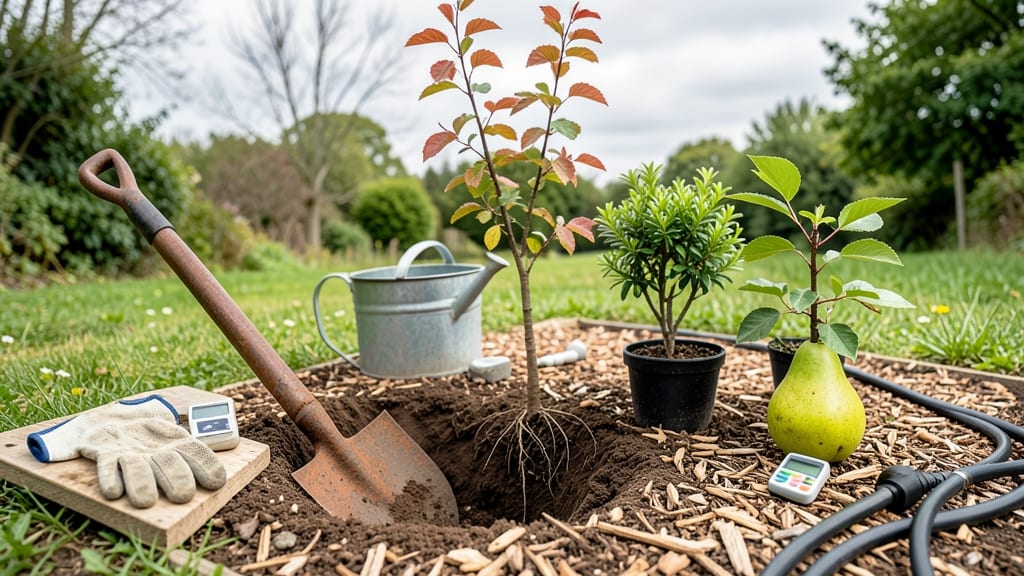
Planting your fruit trees 🍎 at the wrong time in South Australia could mean years of frustration waiting for fruit—or worse, losing them to frost before they even take root.
The key isn’t just picking a season; it’s understanding how chill hours, regional frost patterns, and soil conditions collide to make or break your harvest.
Whether you’re in the cooler Adelaide Hills or the sunnier Riverland, timing matters more than you’d think. Plant too early, and late frosts will nip your young trees in the bud. Too late, and they won’t establish strong roots before summer’s brutal heat sets in.
I’ll break down the exact windows—from autumn’s ideal start to spring’s last chance—so you can align your planting with your local microclimate.
You’ll also discover how to prep your soil for South Australia’s tricky conditions, from clay-heavy patches to sandy soils that dry out fast.
Plus, I’ll share which fruit trees thrive in your specific zone—whether it’s stone fruits for the Barossa or citrus for the Eyre Peninsula—and how to protect them from the region’s unpredictable weather.
Ready to turn your backyard into a fruit-bearing paradise? Let’s get your trees in the ground at the perfect moment—so you can enjoy that first harvest sooner than you’d expect.
South Australia’s chill-hour zones explained: matching trees to microclimates
South Australia’s diverse climate means chill hours—the number of hours below 7°C (45°F)—can vary dramatically between regions. Planting the wrong fruit tree in the wrong zone often leads to poor flowering or no fruit at all.
For example, peaches need 400+ chill hours, while citrus thrives with 0-100 chill hours. Let’s break it down by zone to help you choose the right tree for your backyard.
In the Adelaide Hills, cooler temperatures create ideal conditions for stone fruits like peaches and cherries, which require 500-800 chill hours. Meanwhile, the Riverland and Murray Mallee offer milder winters, making them perfect for low-chill varieties like apricots or figs.
Even within Adelaide, microclimates can shift chill-hour requirements by 100+ hours, so always check your specific suburb.
Citrus trees, including lemons and mandarins, are a popular choice for coastal areas like Yorke Peninsula or Fleurieu Peninsula, where winters are mild. These trees need 0-150 chill hours and can even fruit in container gardens if placed in a sunny spot.
However, planting citrus in the Adelaide Hills risks frost damage during winter dormancy.
The Barossa Valley and Clare Valley are famous for their apple and pear orchards, thanks to their 600-900 chill hours. These regions support traditional varieties like Granny Smith or Pink Lady, but home gardeners should opt for dwarf or semi-dwarf varieties to save space.
Always verify chill-hour compatibility with your local nursery—they’ll know the best varieties for your area.
| Zone | Chill Hours | Best Fruit Trees | Avoid Planting |
|---|---|---|---|
| Adelaide Hills | 600-900 | Peaches, Cherries, Apples, Pears | Citrus, Olives (unless frost-protected) |
| Riverland/Murray Mallee | 300-500 | Apricots, Figs, Low-Chill Peaches | High-Chill Apples, Cherries |
| Yorke Peninsula/Fleurieu | 0-150 | Citrus, Olives, Pomegranates | Stone Fruits, Apples |
| Eyre Peninsula | 150-300 | Nectarines, Plums, Dwarf Citrus | High-Chill Varieties |
If you’re unsure about your local chill hours, use the SA Government’s Plant Selector Tool or check with your local agricultural college. They often host free workshops on fruit tree suitability for home gardeners.
For example, the Adelaide Botanic Gardens offers seasonal planting guides tailored to microclimates across the city.
Another key factor is soil type. South Australia’s clay-heavy soils in the Adelaide Plains can suffocate roots, while sandy soils in coastal areas drain too quickly. Always amend your soil with compost or gypsum before planting to improve drainage and nutrient retention.
This step is critical for peach trees, which are prone to root rot in waterlogged conditions.
For container-grown trees, like dwarf citrus or figs, chill-hour requirements are less critical because you can move pots to sheltered spots during winter. However, even container trees need well-draining potting mix and regular watering to thrive.
If you’re in a windy area, like the Yorke Peninsula, consider using a windbreak or planting near a fence to protect young trees from drying out.
Finally, always plant bare-root trees in winter (June-August) when they’re dormant, or container-grown trees in autumn (March-May
Frost-free deadlines by region: safe planting windows for spring vs. autumn
South Australia’s frost-free windows vary dramatically by region, making timing critical for fruit tree success. In the Adelaide Hills, for example, late frosts can linger until mid-September, while the Murray Mallee often escapes frost entirely by early August.
Planting too early risks frost damage, while waiting too long may stress young trees before summer heat arrives.
For stone fruits (peaches, nectarines, plums), aim to plant by late August in cooler regions like the Adelaide Hills. Citrus and olives, however, thrive when planted in spring (September-October) to avoid winter dormancy stress.
Always check local frost forecasts—the SA Government’s AgWeather dashboard is a lifesaver for real-time updates.
| Region | Last Frost Date | Ideal Planting Window | Best Fruit Trees |
|---|---|---|---|
| Adelaide Hills | Mid-September | March–April (autumn) | Apples, Pears, Cherries |
| Yorke Peninsula | Early September | April–May (early spring) | Peaches, Apricots, Figs |
| Riverland | Late August | March–April (autumn) | Citrus, Olives, Grapes |
| Murray Mallee | Early August | April–May (spring) | Stone Fruits, Pomegranates |
Use a soil thermometer to confirm ground temperatures are above 10°C (50°F) before planting—this signals safe conditions for root growth. In windy regions like Eyre Peninsula, delay planting until after October to let young trees establish roots before summer gales arrive.
Pro tip: Container-grown trees can be planted 1–2 months later than bare-root varieties, as their roots are less frost-sensitive. Just ensure they’re well-watered before summer’s heat peaks. Mulch heavily with straw or wood chips to retain moisture and regulate soil temps.
For citrus lovers, the Riverland’s frost-free spring (September–November) is ideal for planting. But watch for heat stress—young trees need daily watering until roots spread. In contrast, apple growers in the Adelaide Hills should plant in autumn (March–April) to take advantage of winter chill hours.
Always cross-reference with local nursery advice—some regions, like the Barossa Valley, have microclimates where frost risk varies by elevation. When in doubt, plant dwarf varieties; they recover faster from frost mishaps than standard trees.