
Trees
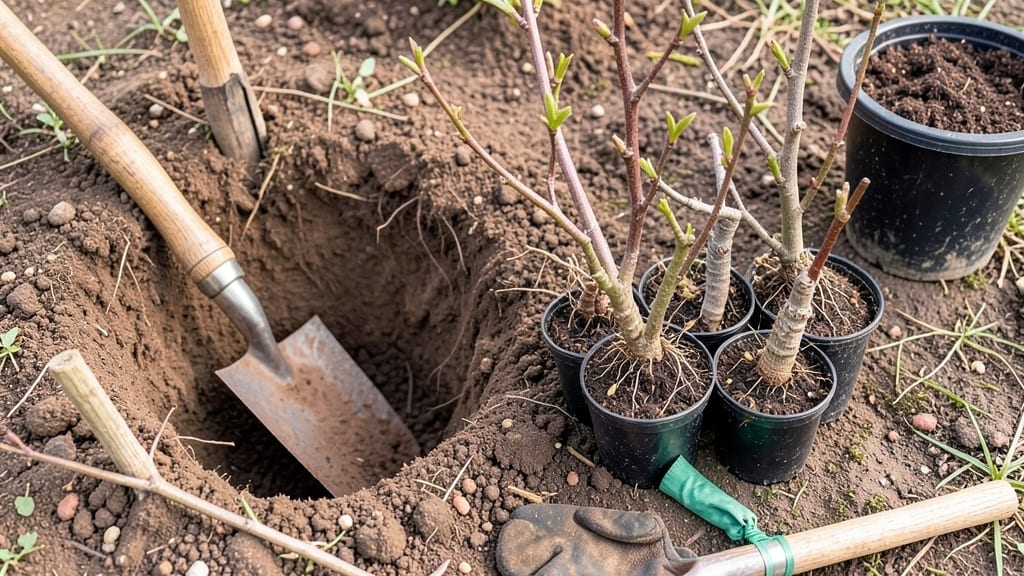
Timing your fruit tree 🍎 planting in Virginia wrong could mean the difference between a lush orchard and years of frustration—so getting the window right is everything.
With Virginia’s USDA zones 6a-8a, you’ve got two prime opportunities: late winter to early spring or fall. Plant too early, and frost can damage tender roots; wait too long, and your trees won’t establish before winter’s chill.
Whether you’re growing peaches in the Piedmont or apples in the Shenandoah Valley, knowing the exact deadlines—down to the month—isn’t just helpful, it’s essential.
This guide cuts through the guesswork, giving you the zone-specific deadlines you need to plant with confidence. We’ll cover soil prep, frost risks, and even how to adjust for Virginia’s unpredictable weather patterns so your trees thrive from day one.
Ready to turn your backyard into an orchard? Let’s dive into the perfect planting schedule for your region—and the pro tips that’ll keep your fruit trees happy for decades.
Virginia’s fruit tree planting calendar by USDA Zone and variety
Virginia’s USDA zones 4a–8a mean your fruit tree’s planting window can shift dramatically from the Blue Ridge Mountains to Tidewater.
In colder zones like 6a (Roanoke), you’ll plant apples in late winter, while in Zone 7b (Richmond), peaches thrive when planted in early spring or fall. The key?
Matching your tree type to your zone’s last frost date—typically March 15 for most regions, but earlier in higher elevations.
For bare-root trees, the dormant season (November–March) is ideal because roots are inactive, reducing transplant shock. Containerized trees, however, offer flexibility—you can plant them year-round, but spring or fall still yields the best results.
Below, we’ve mapped out the exact deadlines by zone, variety, and soil conditions to help you avoid common pitfalls like frost damage or poor root establishment.
| Zone | Best Planting Month | Ideal Varieties | Key Considerations |
|---|---|---|---|
| 4a–5a (Highland County) | Late March–April | Apples (Liberty), Pears (Bartlett) | Soil temp must stay 40–50°F; avoid if ground is frozen. |
| 6a–6b (Roanoke, Shenandoah) | February–March or October–November | Apples (Fuji), Peaches (Redhaven) | Fall planting works if soil temp > 50°F; protect from deer. |
| 7a–7b (Richmond, Charlottesville) | January–April or September–October | Peaches (Elberta), Figs (Celeste) | Last Chance: Plant containerized trees in late April if soil is moist. |
| 8a (Norfolk, Virginia Beach) | November–March (best in winter) | Citrus (Meyer Lemon), Persimmons | Avoid summer planting—heat stress kills roots. |
Notice how Zone 8a (Tidewater) allows for a wider winter window? That’s because milder winters reduce frost risk, letting you plant citrus or persimmons even in January.
Meanwhile, Zone 6a growers must rush to beat the March 15 frost line, especially for stone fruits like peaches, which need chill hours to fruit properly.
One critical exception is containerized trees, which can handle late-season planting in Zone 7b+ if you water deeply and mulch heavily.
For example, a dwarf apple tree in a pot can go in the ground as late as April 15 in Richmond—just stake it and shield it from hot afternoon sun until roots establish.
For fall planting, aim for October–November in most zones. This gives roots time to harden off before winter, but avoid planting after the first frost—wet, freezing soil suffocates young roots. Use a mulch ring (straw or wood chips) to insulate the soil and keep temps stable.
If you’re in Zone 4a–5a, don’t panic if spring arrives late. Bare-root trees can wait until April 1 as long as the ground isn’t soggy. Just soak the roots for 2–3 hours before planting to revive them.
For containerized trees, the window is even more flexible—plant them anytime the soil isn’t frozen or baked.
Local microclimates can shift your deadline by 2–4 weeks. For instance, sheltered valleys (like the Shenandoah Valley) warm up faster than exposed slopes. Check your last frost date via the Virginia Cooperative Extension maps, then add 3–4 weeks to their estimate for safe planting.
Finally, avoid planting in extreme heat (soil temps above 80°F) or during prolonged rain, which causes root rot. If you’re in Zone 7b+ and miss the spring window, fall is your backup—just ensure the tree has 6–8 weeks to establish before winter sets in.
Critical factors that determine your planting window in Virginia
Virginia’s USDA zones 4a-8a create a maze of planting deadlines, but the real game-changers are soil temperature and local frost patterns.
Unlike general advice, your exact window depends on whether you’re planting bare-root peach trees in Zone 7b or containerized apples in Zone 6a. For example, peaches need soil temps between 50–60°F to root properly, while apples thrive at 40–50°F.
Ignoring these thresholds can leave your tree struggling to establish before winter’s bite.
Don’t rely solely on the calendar—Virginia’s “false springs” can trick you into planting too early. In 2023, Richmond saw 60°F soil temps in February, luring gardeners into planting peaches only for a late frost to kill tender roots.
Always check the 7-day soil forecast (via Virginia Cooperative Extension) and use the “finger test”: Stick your finger 6 inches deep—if the soil feels like a chilled milk carton, it’s too cold for most fruit trees.
Apples & Pears: 40–50°F | Peaches/Nectarines: 50–60°F | Figs: 60–70°F. Use a soil thermometer—don’t guess!
Virginia’s Zone 6a–7a often sees warm spells in February–March, but frost can return. Wait until after the last average frost date (March 15 for most regions) or use frost cloth for young trees.
Bare-root trees must plant while dormant (late winter/early spring). Containerized trees are more flexible—plant them anytime soil isn’t frozen, even in Zone 5b if you’re patient.
A south-facing slope in Roanoke (Zone 7a) warms 2–3 weeks earlier than a north-facing valley. Observe your yard’s sun exposure and wind patterns—trees in windy areas need extra protection.
Rainfall also plays a sneaky role. Zone 4a–5a (like the Blue Ridge Mountains) often sees dry springs, so planting in November (fall) ensures moisture for root growth.
Meanwhile, Zone 7b–8a (Tidewater region) can plant as late as early December—but only if you’ve mulched heavily to retain soil warmth.
Pro tip: Use Virginia’s “chill hour” map for stone fruits (peaches, plums). Trees need 400–1,000 chill hours (below 45°F) to fruit well. If you’re in Zone 7b+, low-chill varieties like ‘Redhaven’ peaches (300–400 hours) are safer bets than high-chill ‘Elberta’ (800+ hours).
Finally, containerized trees give you a 3-month leeway compared to bare-root. Their roots are already established, so you can plant peach trees in Zone 6a as late as April—just water deeply and shade the roots during extreme heat.
For bare-root, though, stick to the 40–60°F soil window or risk stunted growth.
Remember: Virginia’s planting window isn’t just about months—it’s about soil, microclimates, and tree type. Use these factors to customize your timeline, and your fruit trees will thank you with years of bountiful harvests.