
Trees
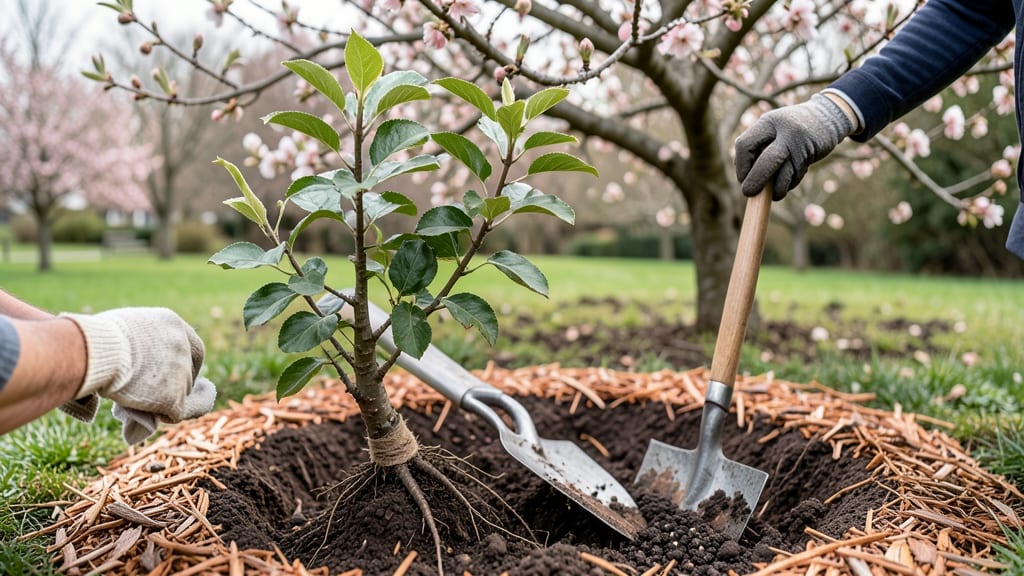
Timing is everything when it comes to planting fruit trees in Kentucky—get it wrong, and you risk weak roots or poor yields.
The best window for planting 🍎 fruit trees in USDA zones 6b-7a is late winter to early spring, when soil temperatures rise just enough for strong root growth before summer heat sets in.
Why does this matter? Because Kentucky’s climate—with its unpredictable frost dates and varying microclimates—can make or break your tree’s survival. Planting too early exposes young roots to cold snaps, while waiting too long delays the critical window for root establishment.
The key is knowing exactly when to dig that hole for maximum success.
In this guide, I’ll break down the ideal planting months for Kentucky’s zones, how to prep your soil, and what to watch for after planting. Whether you’re adding apples, peaches, or cherries to your yard, these tips will help your trees thrive from day one.
Ready to set your fruit trees up for a lifetime of harvests? Let’s get started with the perfect timing for your Kentucky garden.
Best planting months for fruit trees in Kentucky’s USDA zones 6b-7a
Kentucky’s USDA Zones 6b-7a offer a 60-90 day frost-free window that’s perfect for fruit trees—but timing matters. The ideal planting window spans from late February to early April, when soil temperatures rise above 40°F (4°C) and before bud break in early spring.
This timing lets roots establish before summer heat stress.
For bare-root trees, I recommend planting in March—just as soil thaws but before heavy rains. Container-grown trees can go in slightly earlier (February) or later (April), thanks to their established root systems.
The key is avoiding late spring planting, which risks weak root growth before winter dormancy.
Kentucky’s last frost date typically falls around March 15, but microclimates shift this by 1-2 weeks. Planting 4-6 weeks before this date gives roots time to anchor before warm weather arrives. For example, apple trees planted in late March often outperform those planted in May.
Fall planting is not recommended in Kentucky due to winter freeze risks. Young trees planted in autumn may struggle to establish roots before first frost (mid-November), leading to winter dieback. If you must plant in fall, do so 6-8 weeks before frost and use extra mulch for insulation.
Here’s how Kentucky’s climate impacts planting:
| Planting Window | Soil Temp | Best For | Kentucky Notes |
|---|---|---|---|
| Late February | 40-45°F (4-7°C) | Container trees | Northern KY (Zone 6b) only; avoid if ground is frozen. |
| March (Ideal) | 45-55°F (7-13°C) | Bare-root trees | Best for peaches, plums, and apples; aligns with last frost. |
| Early April | 50-60°F (10-16°C) | Container trees | Southern KY (Zone 7a) extension; avoid if buds are swelling. |
| May (Last Resort) | 60°F+ (16°C+) | Established trees | Risky; prioritize watering and shade for young trees. |
Kentucky’s humid subtropical climate means soil moisture retention is critical during planting. After planting, I always water deeply (15-30 gallons) to encourage root spread. In Zone 6b (northern KY), where winters are colder, I add 3-4 inches of mulch to protect roots from freeze-thaw cycles.
For stone fruits like peaches and cherries, I plant in early March to avoid late frost damage to blossoms.
These trees need chilling hours (300-900), which Kentucky’s winters provide—just don’t rush planting before the soil warms. Pome fruits (apples, pears) are more forgiving and can handle late March planting.
Pro tip: Check your local Cooperative Extension Service for frost date updates—Kentucky’s Bluegrass Region often has earlier last frosts than the Cumberland Plateau. Adjust your planting date by 1-2 weeks based on your specific microclimate.
Remember, root establishment is the #1 priority. A tree planted in March with 6+ weeks of root growth before summer will outperform one planted in May, even if both get the same care afterward. 🌱
Best planting months for fruit trees in Kentucky’s USDA zones 6b-7a
Kentucky’s USDA Zones 6b-7a offer a narrow window for planting fruit trees, where timing directly impacts root establishment and long-term health. The ideal planting window spans from late winter to early spring, specifically February through April, before the average last frost date of March 15.
This period ensures trees have 6-8 weeks to develop roots before summer heat arrives.
For bare-root trees, the best time is late winter (February) when soil is workable but still cool.
Container-grown trees, however, can be planted slightly later—through early April—as their roots are already established. Fall planting (October) is possible in Kentucky but riskier due to unpredictable frost patterns and shorter root-growth windows.
Soil temperatures play a critical role: aim for 40-50°F at a 6-inch depth. In Kentucky, this typically aligns with mid-March in most regions. Planting too early in January exposes roots to frost, while waiting until May delays growth and weakens the tree’s ability to handle summer heat.
| Planting Window | Soil Temp | Best For | Notes |
|---|---|---|---|
| Late Winter (Feb) | 40-50°F | Bare-root trees | Maximize root growth before spring thaw. |
| Early Spring (Mar-Apr) | 50-60°F | Container-grown trees | Flexible window for established roots. |
| Fall (Oct) | 50-60°F | Riskier option | Limited root growth before frost. |
Kentucky’s microclimates further refine these timelines. In warmer southern regions (Zone 7a), like the Bluegrass, you can plant up to two weeks later than northern areas (Zone 6b).
Conversely, higher elevations (Cumberland Plateau) may require planting 1-2 weeks earlier to avoid late frosts. Always check your local frost dates via the National Weather Service or Kentucky Mesonet.
Pro tip: If you miss the spring window, container-grown trees can be planted in early May as long as you water deeply and mulch heavily to protect roots. Just avoid planting after June 1, as summer heat stresses young trees during establishment.
Finally, tree variety matters. Stone fruits (peaches, plums) thrive with early planting (February), while apples and pears tolerate slightly later windows (March-April). Always select disease-resistant varieties suited to Kentucky’s climate, like ‘Liberty’ apple or ‘Reliance’ peach, to ensure long-term success.