
Trees
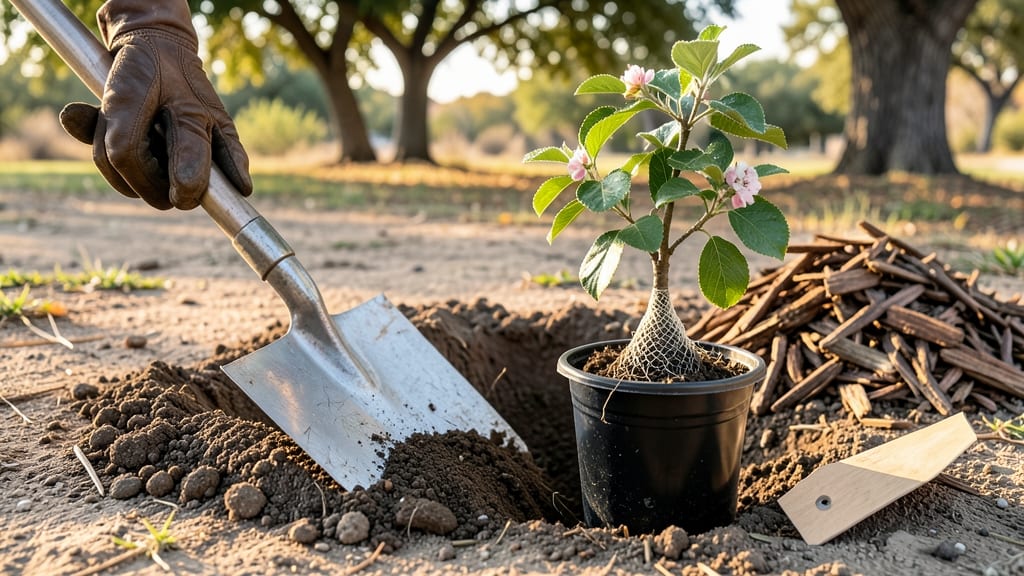
Planting fruit trees in Utah isn't just about timing—it's about surviving the state's unpredictable swings from subzero winters to scorching summers. If you miss the optimal window, your young trees could struggle to take root, leaving you waiting years for that first harvest.
The good news? With the right knowledge, you can plant at precisely the right moment for your specific Utah microclimate.
Whether you're in the high desert or along the Wasatch Front, understanding when to plant fruit trees means accounting for soil temperatures, frost dates, and even elevation changes.
I'll break down the exact months that work best for cold-hardy varieties like apples and cherries—so you can avoid costly mistakes and give your trees the best possible start.
Most gardeners assume spring is the only safe time, but Utah's climate actually offers two prime planting seasons. Let me show you why fall planting can be just as effective, especially for varieties that need to establish roots before winter sets in.
You'll also discover how container planting gives you more flexibility in Utah's diverse growing zones.
Ready to grow fruit trees that thrive year after year? I'll walk you through the science behind Utah's planting calendar, including the critical soil temperature thresholds you should never ignore. With these insights, you'll be planting with confidence—and enjoying homegrown fruit in no time.
Best months to plant fruit trees in Utah’s climate zones
Utah’s diverse climate zones—ranging from USDA Zone 5 in northern areas to Zone 7 in southern regions—mean planting timing varies dramatically.
In Zone 5 (e.g., Logan, Park City), you’ll need to plant earlier in spring to avoid late frosts, while Zone 7 (e.g., St. George, Cedar City) allows for fall planting with less frost risk. Understanding these differences is key to success.
For most of Utah, the optimal planting window is between late April and early June for spring planting. This gives young trees time to establish roots before summer heat arrives.
However, fall planting (September-October) works well in Zone 6-7 areas, allowing roots to grow before winter dormancy. Never plant in winter—frozen soil prevents root development.
Here’s the breakdown: Northern Utah (Zone 5) should plant April 15–May 15, while Central Utah (Zone 6) has flexibility until June 1. Southern Utah (Zone 7) can extend planting into early October, but avoid planting after September 30 to prevent frost damage to new roots.
Soil temperature is your best guide—wait until the ground reaches 50°F (10°C) at least 6 inches deep. In Utah’s dry climate, this often aligns with late April to early May in most regions. Use a soil thermometer to confirm readiness, especially in high-elevation areas where cold lingers longer.
Container-grown trees offer more planting flexibility than bare-root trees. They can be planted up to 2 weeks later in spring since their roots aren’t exposed to cold. This is especially useful in Zone 5, where early spring frosts are common. Just ensure the container isn’t root-bound before transplanting.
Fruit trees like apples and cherries thrive when planted in early spring because their roots establish quickly before summer drought stress. Peaches and plums, however, benefit from fall planting in Zone 7—their roots grow slowly in cool weather, reducing transplant shock.
Always check the specific variety’s recommendations for best results.
Utah’s alkaline soil (pH 7.5–8.5) can stress young fruit trees, so amend planting holes with compost and sulfur to lower pH slightly. Aim for a pH of 6.0–7.0 in the planting zone. This adjustment is critical for nutrient uptake and long-term tree health in Utah’s challenging soil conditions.
If you’re planting bare-root trees, do it as soon as possible after purchase—these trees are dormant and must rehydrate quickly. Soak roots in water for 1–2 hours before planting to reduce transplant shock. For container-grown trees, water thoroughly 1–2 days before transplanting
Best months to plant fruit trees in Utah’s climate zones
Utah’s diverse microclimates—from the Wasatch Front’s Zone 6 to rural Zone 5 areas—mean planting times vary dramatically. Most fruit trees thrive when planted in early spring or fall dormancy, but Utah’s unpredictable frost patterns demand precision.
For northern Utah, aim for late April to early May when soil temps hit 50°F+.
Southern Utah’s Zone 7 (like St. George) offers a longer window—March to April—but avoid planting after mid-April to prevent summer drought stress.
Fall planting is ideal in October for all zones, giving roots time to establish before winter. Bare-root trees must be planted while dormant, so check local USDA frost charts for your exact location.
📋 Key Considerations: - Soil temperature (use a soil thermometer—50°F+ is critical) - Last frost date (varies by valley—check Utah State University’s frost maps) - Tree dormancy (fall-planted trees need 6-8 weeks to root before freeze)
🌱 Utah Fruit Tree Planting Guide by Zone & Season
| Zone | Best Spring Month | Fall Planting Window | Soil Temp Requirement | Notes |
|---|---|---|---|---|
| 5 (Northern Utah) | Late April–Early May | Mid-October | 50°F+ | Use windbreaks for protection |
| 6 (Wasatch Front) | Early April–Mid-May | Late September–Early October | 45°F+ | Avoid low-lying areas (frost pockets) |
| 7 (Southern Utah) | March–April | November | 55°F+ | Drip irrigation essential for survival |
🌡️ Pro Tip: Test soil moisture before planting—Utah’s alkaline soil drains too quickly if not amended with compost.
For container-grown trees, Utah’s short growing season means planting in late spring (May) to avoid transplant shock. Peach and cherry trees need chilling hours—plant them in fall (September–October) to ensure proper dormancy. Always mulch heavily (4–6 inches) to retain moisture in Utah’s dry summers.
Timing isn’t just about months—it’s about moon phases and weather forecasts. Check the National Weather Service’s 10-day outlook before digging.
In high-elevation areas (Zone 5), delay until after May 15 to avoid late frosts. Low-desert zones (Zone 7) can plant as early as February for early-blooming varieties like apricots.
Remember: Bare-root trees must be planted within 24 hours of purchase. If you can’t plant immediately, heel them in (temporarily bury roots) in a cool, shaded spot. Container-grown trees offer more flexibility but require extra watering during Utah’s 100°F+ summers. 🌱