
Trees
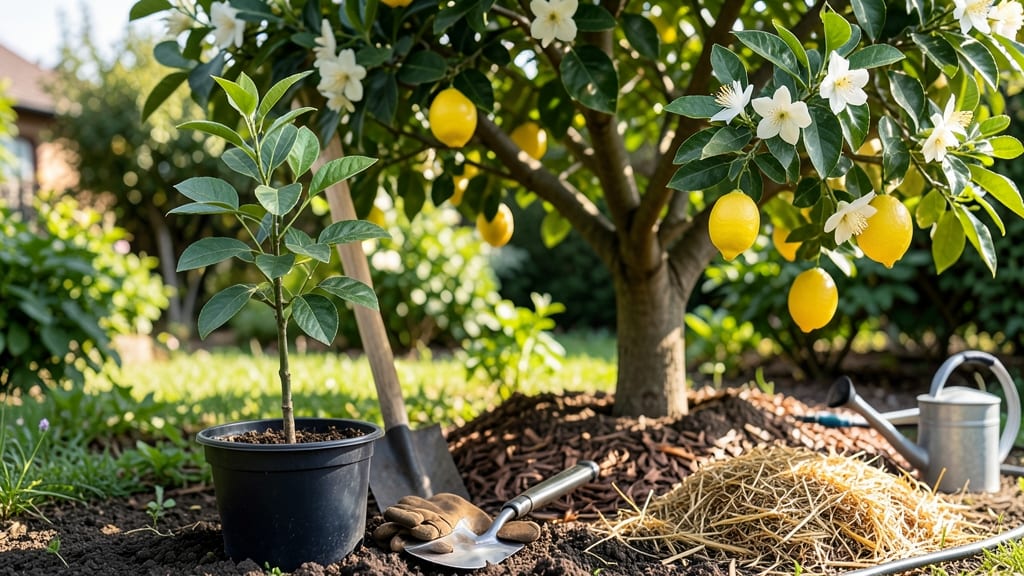
If you’ve ever dreamed of growing your own 🍊 citrus tree in Arizona, timing your planting could mean the difference between a thriving orchard and a sad, wilted sapling.
The best time to plant isn’t just about avoiding frost—it’s about leveraging the state’s unique microclimates to give your tree the strongest start possible.
Arizona’s winter months—from November through March—offer the perfect balance of cooler temperatures and moisture, ideal for root establishment. But here’s the catch: whether you’re in Phoenix’s scorching Low Desert or Flagstaff’s cooler High Desert, the rules shift slightly.
Plant too early, and you risk heat stress; too late, and frost could sneak in.
Let’s break down the optimal planting windows for your specific zone, including soil prep tricks to beat Arizona’s alkaline dirt and container-gardening hacks for urban growers. You’ll learn exactly when to dig, how to protect your tree from unexpected cold snaps, and which citrus varieties handle the desert like pros.
Ready to turn your backyard into a year-round lemonade stand? Let’s get your 🍊 tree off to the right start—no guesswork, just science-backed timing.
Arizona’s optimal citrus planting windows by heat zone (avoiding frost & extreme heat)
Arizona’s 3 distinct heat zones—Low Desert, Transition Zones, and High Desert—dictate the perfect planting windows for citrus trees. The Low Desert (Phoenix, Tucson) offers a 6-month frost-free window, while the High Desert (Flagstaff, Prescott) faces harsher cold snaps that demand earlier planting.
Understanding these zones ensures your citrus thrives without frost damage or heat shock.
In the Low Desert (USDA Zones 9b-11), the ideal planting window spans from November through March. This period avoids the triple-digit summer heat that stresses young roots and the rare but deadly frost that can occur as late as January 10.
For the Transition Zones (Zones 8a-9a), like Yuma or parts of Sedona, aim for October to February—pushing earlier to beat frost risks.
The High Desert (Zones 7a-8a) requires container planting or microclimate protection for most citrus varieties. Here, the best time to plant is September to November, allowing roots to establish before winter dormancy.
Varieties like ‘Carrizo’ citrange or ‘Sour Orange’ tolerate 25°F temperatures, but standard lemons or oranges need protection or relocation.
🌡️ Arizona Citrus Planting Windows by Heat Zone
| Zone | Best Planting Window | Soil Temp Threshold | Key Risks |
|---|---|---|---|
| Low Desert (Phoenix, Tucson) | Nov–Mar | 60°F+ | Heat stress (summer), rare frost (winter) |
| Transition Zones (Yuma, Sedona) | Oct–Feb | 55°F+ | Frost risk (Dec–Jan), variable temps |
| High Desert (Flagstaff, Prescott) | Sep–Nov | 50°F+ | Freezing temps (20°F+), short growing season |
💡 Pro Tip: Use a soil thermometer to confirm 60°F+ soil temps before planting—cold soil stunts root growth.
For container-grown citrus in colder areas, late spring (April–May) is a backup option. Move pots indoors or to a sunroom/greenhouse before 32°F nights. In the Low Desert, avoid planting in April—soaring temps can cause transplant shock as roots adjust to 100°F+ soil.
Instead, opt for bare-root trees in November for faster establishment.
Microclimates play a critical role. In Phoenix, north-facing slopes or shaded patios escape afternoon sun, while Flagstaff’s urban heat islands can offer 5°F warmer microclimates near buildings. Test your spot by monitoring minimum nighttime temps for 30 days before planting.
If you miss the ideal window, April planting is still viable in the Low Desert with extra shade cloth and daily watering. However, High Desert plantings after November risk root damage from winter freezes.
For year-round harvests, align planting with fruit-bearing cycles—Meyer lemons planted in November may bear fruit by next summer.
Always check local frost dates via the National Weather Service or Arizona Cooperative Extension. In 2023, unexpected 20°F frosts hit Phoenix suburbs in December, damaging unprotected trees. Windbreaks and mulch rings add 5°F protection during cold snaps.
For urban gardeners, dwarf varieties like ‘Calamondin’ or ‘Improved Meyer Lemon planted in containers offer flexibility. Move them to garages or patios when temps drop below 40°F. This strategy works even in Zone 7a if you’re willing to overwinter indoors.
🌱 Remember: Root establishment in the first 3 months determines long-term success. Prioritize moisture retention and shade during Arizona’s planting windows to set your citrus tree up for decades of harvests. 🍊
How to prepare soil and site for citrus trees before planting (Arizona-specific tips)
Arizona’s alkaline soil and intense sun demand extra prep work before planting citrus trees. The key is creating a well-draining, slightly acidic environment that mimics their native Mediterranean conditions. Start by testing your soil’s pH—aim for 6.0 to 7.0.
If your soil tests higher (common in Arizona), amend it with sulfur or peat moss to lower the pH gradually over 2–3 months.
Next, focus on drainage. Citrus trees hate soggy roots, so avoid low spots where water pools. If your yard has heavy clay soil, mix in coarse sand or perlite to improve aeration.
For container gardening—a great option in urban areas—use a 50/50 blend of cactus mix and compost to replicate desert-like conditions while retaining moisture.