
Plants
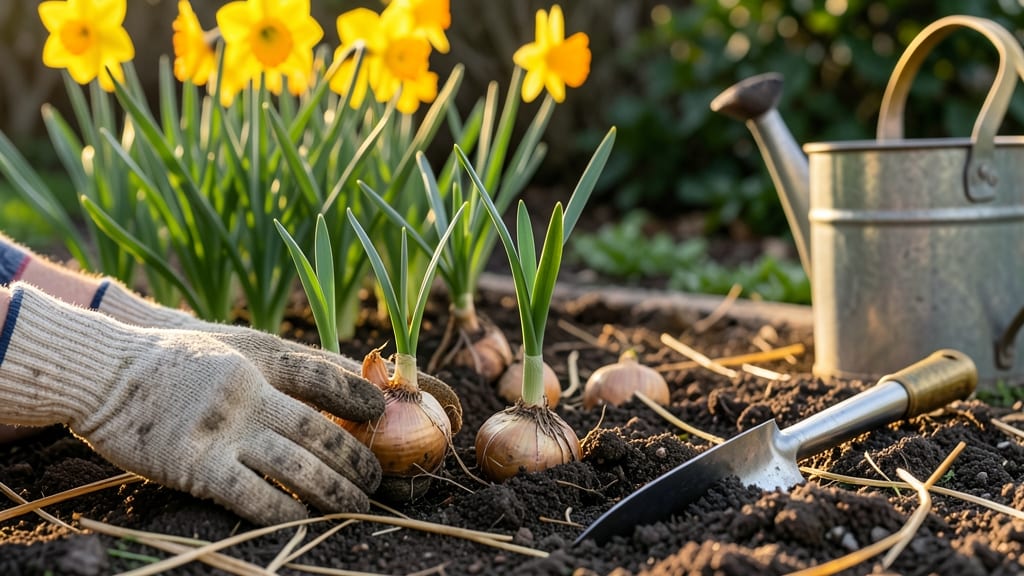
Planting daffodil bulbs in Texas isn’t just about timing—it’s about outsmarting the climate. While most gardeners wait for winter chill, Texas’s mild winters force a different strategy to coax those 🌼 blooms into spring. The key? Understanding your zone’s chill-hour needs and planting before the ground freezes.
In zones 8a-10b, where frost is rare, daffodils still need 100-300 chill hours to bloom. That means planting in October or November—before temperatures drop too low—gives bulbs time to root while still meeting their cold requirements.
Skip this step, and you might end up with green stems but no flowers.
But here’s the game-changer: not all daffodils thrive equally in Texas. Some varieties, like ‘Ice Follies’, bloom with fewer chill hours, making them perfect for our warmer winters.
I’ll show you how to pick the right ones and prep your soil for zero-frost success—so you can enjoy those cheerful blooms come February.
Ready to transform your yard into a springtime spectacle? Let’s dive into the exact planting window, soil tricks, and post-planting care that’ll have your 🌼 daffodils outshining the neighbors’. No frost? No problem.
Texas daffodil planting timeline: chill-hour zones explained
Texas' diverse climate—from the Panhandle's chilly winters to South Texas' mild winters—means daffodils need a customized chill-hour approach. Most daffodils require 300–1,500 chill hours (temperatures between 32–45°F) to bloom. Without enough cold, bulbs may skip flowering or produce weak stems.
In North Texas (USDA Zones 7b–8a), where winters are cooler, you can plant bulbs as early as October and still get natural chill hours. But in South Texas (Zones 8b–10a), where frost is rare, bulbs need pre-chilling tricks or low-chill varieties to thrive.
Here’s how to match your Texas region to the perfect planting window and chill-hour strategy:
Texas Daffodil Planting Guide by Chill-Hour Zone
| Region | USDA Zone | Chill Hours Needed | Ideal Planting Time | Chill-Hour Hack |
|---|---|---|---|---|
| North Texas | 7b–8a | 600–1,000 | October 15–November 15 | Natural chill hours; plant before first frost |
| Central Texas | 8a–8b | 400–800 | November 1–December 1 | Pre-chill bulbs for 8–12 weeks or choose low-chill varieties |
| South Texas | 9a–10a | 300–600 | December 1–January 15 | Refrigerate bulbs for 6–8 weeks or plant in shade |
For North Texas, aim to plant 4–6 weeks before the first hard frost (typically mid-October to mid-November). The soil should be 60–70°F and well-draining to encourage root growth before winter.
In Central Texas, where frost is less predictable, plant closer to November to avoid early cold snaps that can damage tender roots.
In South Texas, where frost is rare, bulbs need artificial chill hours. Store bulbs in a cool, dark place (35–40°F) for 6–8 weeks before planting in December or January.
This mimics winter conditions and triggers blooming. Use low-chill daffodil varieties like 'February Gold' or 'Tête-à-Tête' for better success.
Pro tip: Use a soil thermometer to check if the ground is below 60°F before planting. If it’s still warm, wait a few weeks—cool roots = strong blooms. Mulch with 2–3 inches of straw after planting to insulate bulbs and retain moisture during Texas’ unpredictable winters.
Timing is everything! Plant too early, and bulbs may rot in warm soil. Plant too late, and they won’t get enough chill. The 6-week window before your region’s average first frost is your sweet spot for Texas daffodil success.
✅ Remember: Daffodils are perennials—once planted, they’ll return year after year if given the right chill and care. With the right timing, you’ll enjoy bright spring blooms even in Texas’ heat! 🌼
Texas daffodil planting timeline: chill-hour zones explained
Texas spans three distinct chill-hour zones, each dictating when to plant daffodil bulbs for spring blooms. In North Texas (Zones 7b-8a), like Dallas and Fort Worth, aim for October 15–November 15—when soil temps drop to 60°F but before hard frosts hit.
Meanwhile, Central Texas (Zones 8a-8b), including Austin, has a later window (November 1–December 15) due to milder winters.
For South Texas (Zones 9a-10b), like Houston and San Antonio, the challenge is bigger—fewer chill hours mean bulbs struggle to bloom. Plant between December 1–January 15 and pair with pre-chilling tricks (we’ll cover those next!).
Miss the window, and you risk no blooms—or worse, bulb rot from winter rains.
🌼
| Zone | Chill Hours Needed | Ideal Planting Window | Soil Temp Goal |
|---|---|---|---|
| North Texas (7b-8a) | 600–900 hrs | Oct 15–Nov 15 | 60–65°F |
| Central Texas (8a-8b) | 400–600 hrs | Nov 1–Dec 15 | 55–60°F |
| South Texas (9a-10b) | 200–400 hrs | Dec 1–Jan 15 | 50–55°F |
🌡️ Pro Tip: Use a soil thermometer to confirm temps before planting!
Timing isn’t just about dates—it’s about soil conditions. In North Texas, wait until soil temps consistently hit 60°F at 4" depth. In Central Texas, test for 55°F—cooler soils speed up chill-hour accumulation.
For South Texas, combine late planting with mulching (straw or shredded leaves) to mimic winter chill.
Missed the window? Don’t panic. Pre-chilling bulbs (we’ll dive into this next) can trick daffodils into thinking winter’s arrived. But act fast—bulbs planted after January 15 in most of Texas often fail to bloom. Mark your calendar and set reminders for your zone!
📅
One common mistake is planting too early. Warm soil in September can cause bulbs to sprout prematurely, leaving them vulnerable to heat stress or pests.
Always plant 4–6 weeks before your area’s first hard frost—check your local frost dates (like December 15 for North Texas) to nail the timing.
✂️