
Plants
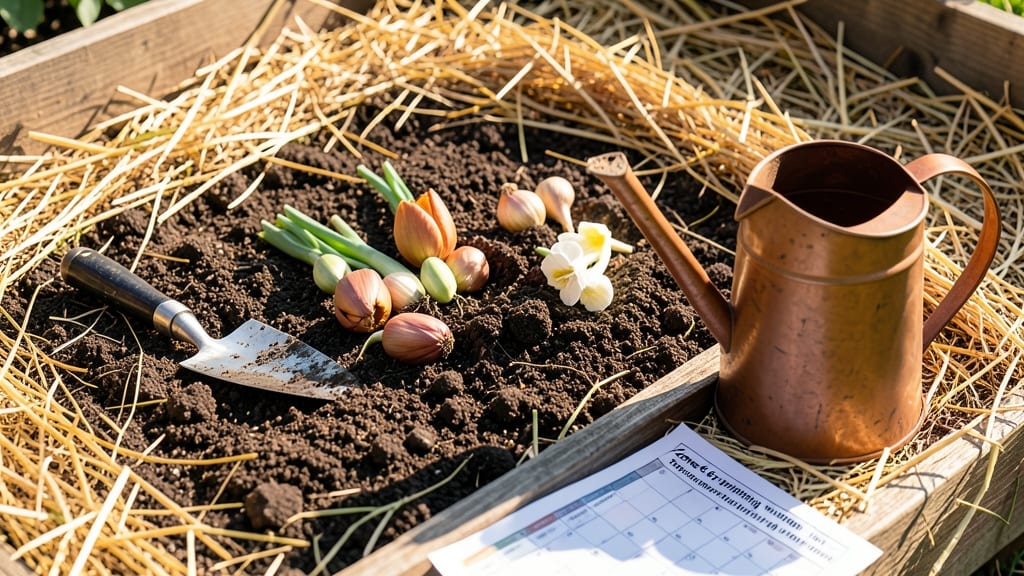
If you’ve ever planted bulbs in Zone 6 only to watch frost nip them before they bloom—or worse, miss the perfect window entirely—you’re not alone. The exact timing for planting bulbs 🌷 can make or break your spring garden, and getting it wrong means wasted effort (and money!).
Here’s the truth: Most gardeners in Zone 6a/6b get it wrong because they focus on calendar dates instead of soil conditions. Fall planting should happen 6-8 weeks before the ground freezes, while spring bulbs need to go in as soon as the soil is workable—usually by early March.
But timing isn’t one-size-fits-all, especially when microclimates and frost patterns throw a wrench into the plan.
I’ll show you the precise months to plant for zero-frost success, plus how to adjust for late-spring freezes or urban heat islands. No more guessing—just a foolproof schedule tailored to your Zone 6 garden. Let’s get those bulbs in the ground the right way.
Whether you’re a first-time gardener or a seasoned pro, mastering this window will give you showstopping blooms year after year. Ready to transform your garden? Let’s dive into the details.
Zone 6 bulb planting calendar: month-by-month breakdown for spring blooms
Planting bulbs in Zone 6 requires precision—too early and frost zaps their energy; too late and blooms arrive after peak season. Most spring-flowering bulbs (like tulips and daffodils) need 6-8 weeks of cool soil before first frost to root properly.
For Zone 6, this typically means October-November for fall planting or March-April for spring. Let’s break it down by month to ensure your bulbs thrive.
In Zone 6, the average first frost arrives around October 15, leaving a narrow window for fall planting. Aim to plant bulbs 4-6 weeks before the ground freezes—usually mid-October to early November.
Soil temperatures should be below 60°F but not yet frozen. For spring planting, wait until soil temperatures rise above 50°F (typically late March to early April), ensuring no more frost is expected.
Here’s your Zone 6 bulb planting calendar with key deadlines and soil conditions:
For Zone 6b (warmer sub-zones), extend fall planting to early November, while Zone 6a gardeners should finish by mid-October. Always check your local frost dates—websites like the National Weather Service or Almanac provide updated forecasts.
Pro tip: Plant daffodils and alliums first—they’re deer-resistant and bloom early, signaling success for later plantings.
Soil preparation is just as critical as timing. Amend your soil with compost or well-rotted manure to improve drainage, and avoid planting in soggy or compacted soil. Bulbs need 60% sand for optimal root development—mix in perlite or vermiculite if your soil is heavy clay.
After planting, mulch with 3 inches of straw to insulate roots during winter.
Spring-planted bulbs (like tulips) may bloom later but still produce vibrant flowers. To encourage larger blooms next year, leave foliage until it yellows naturally—this recharges the bulb’s energy stores. For Zone 6, this usually means waiting until late May or June before trimming back.
Fertilize lightly in early spring with a balanced 10-10-10 formula to support root growth before blooming.
If you’re in a microclimate with later frosts (like a valley or north-facing slope), err on the side of earlier planting—even if it means starting in September. Use a soil thermometer to monitor temperatures; bulbs need consistent cool soil
How to adjust planting timing for Zone 6 microclimates and frost patterns
Zone 6’s 165 frost-free days create unique challenges—some areas freeze by October 15, while others hold off until November 15. Microclimates like urban heat islands or north-facing slopes can shift your planting window by 2-3 weeks.
Learning to read your local frost patterns ensures bulbs like tulips and daffodils thrive, not rot.
Start by observing your garden’s last spring frost date—check your local USDA Zone 6a/6b records or use a frost calendar from your county extension office. For example, high-altitude areas (like mountains) may freeze earlier than valley floors.
Adjust your fall planting by 1-2 weeks earlier if you’re in a colder microclimate.
🌱 Key Adjustments for Microclimates:
⚠️ Watch for Late-Spring Frost Pockets
Low-lying areas or north-facing slopes can stay 5-10°F colder than the rest of your yard. Plant crocuses (hardy to Zone 3) first in these spots—they’ll bloom before frost risks return. For tulips, delay planting by 1-2 weeks in frost-prone zones.
Use mulch (3-4 inches) or straw bales to insulate bulbs in early fall. This adds 2-4°F of warmth, extending the safe planting window by 10-14 days.
For urban gardens, pavement and buildings create heat islands—plant hyacinths (which prefer cooler soil) 2 weeks earlier than in rural areas.
If your soil stays workable past November 15, use row covers or lightweight fabric to protect newly planted bulbs. This lets you plant daffodils (which need 60 days of chill) safely until mid-December in mild microclimates.
Always bury the fabric 1 inch below soil level to avoid trapping heat.
For spring planting, wait until soil temps reach 50°F—use a soil thermometer to check. In Zone 6b (warmer sub-zone), this might be early March, while Zone 6a areas may need to wait until mid-April. Plant alliums (which tolerate heat better) first—they’ll naturalize faster in warmer microclimates.
Pro tip: Mark your planting zones with flags or stakes to track which bulbs thrive where. Over time, you’ll spot patterns—like tulips blooming 2 weeks earlier in sunny beds vs. shady ones. Adjust future plantings accordingly for a longer bloom season! 🌷