
Plants
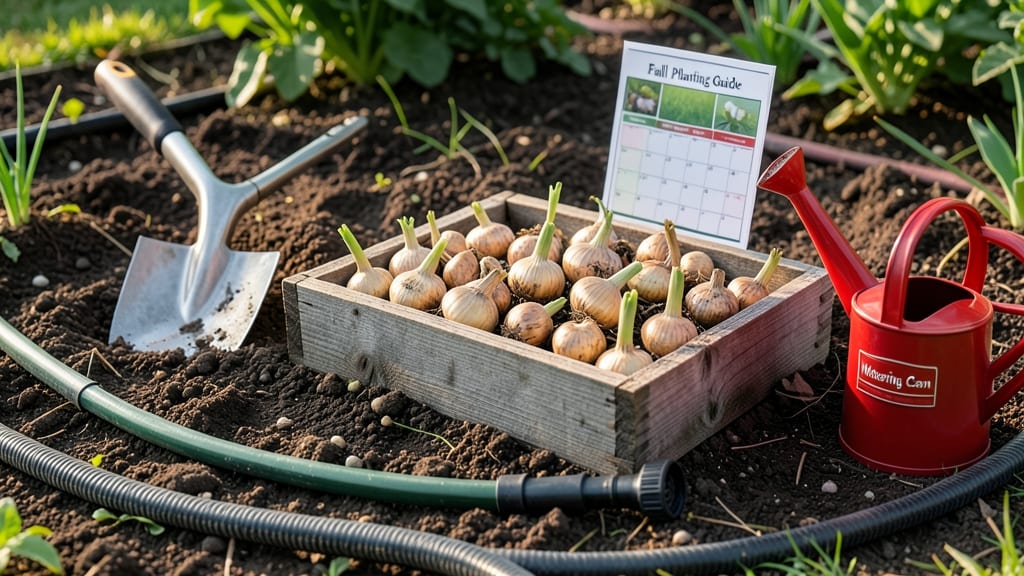
Planting daffodil bulbs in Michigan at the wrong time can mean the difference between a vibrant spring display and wasted effort. The ideal window—September through November—lets these hardy 🌼 bulbs establish roots before winter’s chill sets in.
Michigan’s USDA Zones 5b-6b demand precision: plant too early, and bulbs rot in damp soil; too late, and they won’t bloom before frost. I’ll break down the exact timing, soil prep, and frost-free strategies to guarantee success.
Whether you’re a first-time gardener or a seasoned pro, knowing when to plant is half the battle. We’ll cover soil temperatures, frost dates, and even common mistakes that trip up Michigan gardeners.
By the end, you’ll have a foolproof plan to get those cheerful daffodils thriving—ready to greet spring with bold, reliable blooms every year.
Optimal planting windows for Michigan’s USDA Zones 5b and 6a (with frost-free guarantees)
Michigan’s USDA Zones 5b and 6a create a unique challenge for daffodil bulb planting—too early, and bulbs rot in chilly fall soil; too late, and they won’t establish roots before winter dormancy.
The ideal window for planting is mid-September to mid-October, but this varies slightly by microclimate and bulb variety.
In northern Michigan (Zone 5b), aim to plant by October 1st to ensure bulbs root before the ground freezes. Southern Michigan (Zone 6a) gardeners have a bit more flexibility, with late October to early November still being safe for most varieties.
Always check your local frost dates—planting 6 weeks before the first hard frost is the golden rule.
Early-blooming daffodils like 'Ice Follies' or 'Tête-à-Tête' (dwarf varieties) can handle late fall planting better than late bloomers like 'Thalia' or 'Gladiator'. If you miss the fall window, early spring planting (March-April) works too, but bulbs may bloom 1-2 weeks later.
Here’s how Michigan’s microclimates affect planting: Urban areas like Detroit stay warmer longer, while rural spots in the Upper Peninsula freeze faster. Adjust your schedule by 1-2 weeks if your garden runs cooler than average.
For container gardening in Michigan, plant daffodil bulbs in late September regardless of zone—they’ll establish roots faster in pots. Use well-draining containers with holes to prevent soggy soil, which is deadly for bulbs.
Pro tip: If your soil feels too warm in early September (check with a soil thermometer), wait a week or two. 60°F soil is the magic number for happy bulbs. In sandy soils (common in northern MI), plant earlier to avoid drying out.
Michigan gardeners in Zone 6a can push the envelope with November planting for early-blooming varieties, but cover bulbs with 4-6 inches of mulch to insulate them. Just don’t wait until December—bulbs need time to root before winter sets in.
Remember: Daffodils are hardy perennials, so a perfectly timed planting now means years of spring blooms with minimal effort. Mark your calendar for September 15th as your target date—it’s the sweet spot for most of Michigan!
How soil temperature and frost dates affect daffodil bulb success in Michigan
Daffodils thrive in Michigan’s cool fall soil, but timing your planting around soil temperatures and frost dates makes all the difference. Bulbs need 60°F soil to root before winter—any warmer, and they’ll sprout too early; any colder, and they risk rotting.
Michigan’s USDA Zones 5b/6a typically see soil drop below 50°F by late October, so aim for planting between mid-September and mid-October.
Use a soil thermometer to check depth (4–6 inches down) before planting. If soil is above 60°F, wait 1–2 weeks. For late-frost areas like northern Michigan, plant earlier (August–early September) to avoid winter exposure. Southern Michigan gardeners can push planting to early November, but never after the first frost.
🌼
Critical Soil & Frost Rules for Michigan Daffodils
- Soil Temp: Plant when soil is 60°F (15°C) at 4–6" depth
- Frost Window: 6 weeks before first hard frost (avg. mid-October in MI)
- Late Planting: No later than 2 weeks before ground freezes
- Early Planting: Avoid if soil > 70°F (21°C) (risk of sprouting)
- Tools to Use: Soil thermometer + local frost calendar
Michigan’s microclimates complicate timing. Urban areas like Detroit may have warmer soil due to pavement, while rural areas like Traverse City cool faster. Adjust by 1–2 weeks based on your location. For reliable frost dates, consult the Michigan State University Extension or use apps like Old Farmer’s Almanac.
Pro tip: If you miss the fall window, early spring planting (March) works for hardy varieties like ‘Ice Follies’ or ‘Tête-à-Tête’. Plant deeper (8–10 inches) to protect bulbs from late frosts. Just remember—spring-planted daffodils may bloom 2–3 weeks later than fall-planted ones.
🌡️
Never guess—test your soil! A $10 soil thermometer from a garden center is your best friend. Dig a hole, insert the probe, and wait 5 minutes. If it reads 50–60°F, it’s time to plant.
For container gardening, use the same rule: check soil temp in the pot’s center. And if you’re in Zone 6a (southern MI), you’ve got 2 extra weeks of planting flexibility compared to Zone 5b.