
Plants
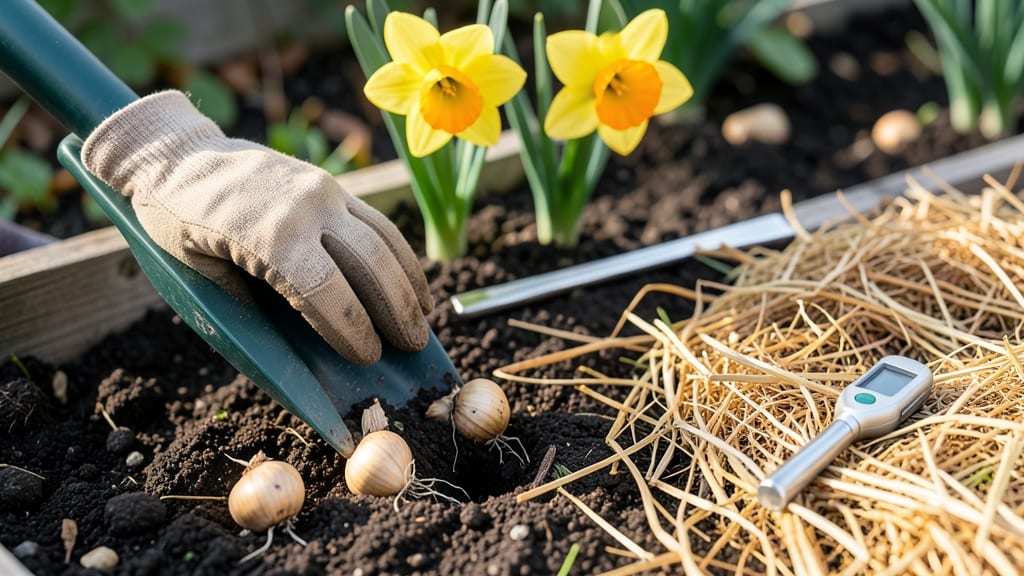
If you've ever stared at a bag of daffodil bulbs in Maryland wondering, "Why isn't there a clear answer about when to plant them?"—you're not alone. Maryland's 7a-7b climate makes timing tricky, and planting too early or late can mean the difference between vibrant spring blooms and wasted bulbs.
The secret lies in Maryland's frost dates, which shift slightly each year. Most gardeners aim for October through November, but that window can feel vague—especially when you're staring at a calendar with unpredictable weather patterns.
Plant too soon, and your bulbs might rot in soggy soil; too late, and frost could stunt their growth before they even sprout.
Here's the good news: with a few simple adjustments based on your local microclimate, you can nail the perfect timing every time. I'll walk you through exactly how to use Maryland's frost-date rules, plus the 5 signs you're planting at the wrong time—and what to do about it.
Whether you're a first-time gardener or a seasoned pro, these tips will help you avoid common mistakes and ensure your 🌼 daffodils thrive year after year. Let's get your garden ready for next spring's showstopper blooms.
Maryland’s daffodil planting window: exact frost-date rules by region
Maryland’s USDA zones 5b-8a create a 6-week window for daffodil bulb planting, but missing it means soggy rot or frost damage. The key? Plant when soil temps hit 60°F and 6 weeks before first frost. For most of Maryland, that’s mid-October to early November, but regional differences matter.
Western Maryland (zones 5b-6a) has earlier frosts (late October), while Eastern Maryland (zones 7a-8a) can wait until mid-November. Baltimore’s USDA zone 7b falls right in the middle, with an ideal window of October 15–November 1.
Use your local first frost date as your deadline—planting too late means bulbs won’t root before winter.
Here’s the golden rule: Daffodil bulbs need 4-6 weeks to establish roots before ground freezes. If you’re in zone 5b (Western MD), aim for October 1–15. In zone 8a (Eastern MD), you’ve got until November 15. Use this frost-date calculator to pinpoint your exact window:
Pro tip: Check soil temps with a soil thermometer—daffodil bulbs need 60°F (15°C) soil to wake up and start rooting. If your soil is still warm in November, hold off until temps drop.
Conversely, if frost looms before you’re ready, plant in containers and move them to a sheltered spot until spring.
Maryland’s unpredictable microclimates mean your neighbor’s frost date might not match yours. Urban areas like Baltimore stay warmer, while rural spots freeze earlier. To account for this, plant a few extra bulbs in late October—if they survive, you’ll have earlier blooms next spring.
Just mark their location so you don’t accidentally dig them up!
One common mistake? Waiting for cool nights instead of soil temperature. Daffodils need warm soil to root, even if air temps are chilly. Test your garden’s soil with a thermometer—if it’s below 50°F (10°C), wait a week or two.
If it’s above 70°F (21°C), plant immediately to avoid bulb rot in soggy soil.
For container gardening, the rules are slightly different. Plant potted daffodils 2-3 weeks earlier than in-ground bulbs since containers cool faster. Move pots to a garage or cold frame if frost threatens before roots establish. In Maryland’s zone 7b, that means planting containers by October 1 for safety.
Remember: Daffodils are hardy perennials, but they won’t rebloom if planted too late. Bulbs need 6 weeks of root growth before winter to store enough energy for next year’s flowers. If you’re in zone 5b and frost hits by November 1, plant by October 15—no exceptions!
Finally, mulch after planting to insulate bulbs and regulate soil temps. Use 2-3 inches of straw or shredded leaves—this protects roots from freeze-thaw cycles and keeps soil moist. Just avoid piling mulch directly against bulb stems to prevent rot.
With the right timing, your daffodils will thrive through Maryland’s winters and reward you with vibrant spring blooms.
How to use Maryland’s frost-date calculator for perfect daffodil timing
Maryland’s first frost dates vary wildly—Baltimore’s average first frost arrives November 15, while Western Maryland’s can hit as early as October 30. To nail your daffodil planting window, use these 3 key tools to adjust timing for your microclimate.
Start by checking the NOAA Frost Probability Map for your ZIP code, then cross-reference with USDA Zone 7a-7b guidelines.
Next, plug your location into apps like Gardenate or PlantMap, which factor in real-time weather data. These tools will tell you exactly when to plant 6 weeks before your ground freezes.
For example, if your frost date is November 15, aim for mid-October planting—but if you’re in a colder pocket like Cumberland, shift to late September.
🌼
Visit NOAA’s Frost Probability Tool and enter your ZIP code. Note your average first frost date and 10-year early frost record.
Add 3-5 days to frost dates if you’re in a warmer urban area (e.g., Bethesda) or subtract 5-7 days for higher elevations (e.g., Catoctin Mountain).
Use the formula: Frost Date – 42 Days = Planting Window. For November 15 frost, plant by October 14. For October 30 frost, plant by September 28.
Use a soil thermometer—ideal planting temp is 50–60°F. If soil is below 40°F, delay planting or use straw mulch to insulate bulbs.
If you miss the window, plant as soon as ground isn’t frozen (December–January). Use well-draining soil and cover with 3 inches of mulch to protect bulbs.
Pro tip: Bookmark Maryland’s Frost Tracker (from the UMD Extension) for real-time updates. This tool predicts 30-day frost forecasts, helping you adjust if an early cold snap hits. For example, if Baltimore’s frost date shifts to October 25, move your planting to September 23.
Even with perfect timing, soil drainage is critical. If your yard holds water, amend with compost or sand to prevent bulb rot. Plant in raised beds or on slopes for faster drainage.
Test your soil’s moisture retention by digging a 6-inch hole—if it stays soggy for >24 hours, improve drainage before planting.
🌱