
Plants
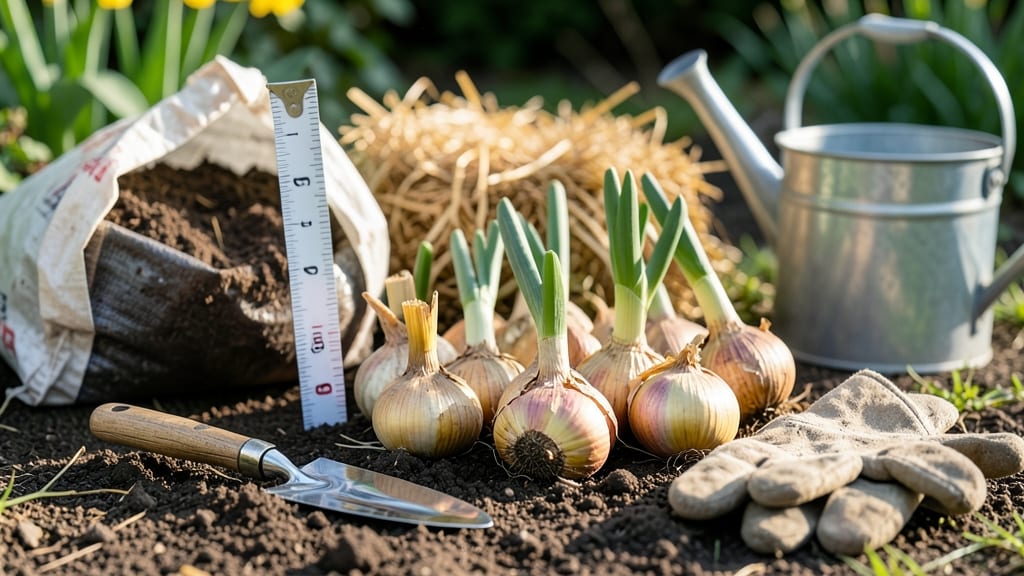
If you're dreaming of bright 🌼 daffodils popping up through Indiana's snow next spring, knowing when to plant daffodil bulbs in Indiana is the key to success.
Planting them between October and November gives these bulbs the perfect window to root before winter sets in, ensuring vibrant blooms when the weather warms.
Indiana's Zone 6a climate means you've got a narrow but critical planting window before the ground freezes—usually around October 20. Getting these bulbs in the ground at the right time helps them establish strong roots while avoiding the risks of late frosts or overly wet soil.
Don't worry if you're new to gardening—this guide will walk you through the exact weeks to plant, how to adjust for early or late winters, and which chill-resistant varieties thrive best in Indiana's unpredictable weather.
With the right timing and care, you'll be rewarded with cheerful blooms that brighten up your garden year after year.
Let's dive into the specifics so you can confidently plant your daffodils and enjoy their beauty come spring. Whether you're a seasoned gardener or just starting out, these tips will help you make the most of your fall planting season.
Best planting months for Indiana daffodils: exact weeks by hardiness Zone
Indiana’s Zone 5-6 climate demands precise timing for daffodil bulbs, with October through November being the sweet spot. Planting too early risks rot from lingering warmth, while waiting too late exposes bulbs to frost damage before roots establish.
Most of Indiana falls under USDA Zones 5b-6a, where the first frost typically arrives around October 15-20. To ensure success, aim to plant bulbs 4-6 weeks before the ground freezes—usually between mid-October and early November.
Northern Indiana (Zone 5b) has colder soils earlier, so gardeners there should plant by late October. Southern Indiana (Zone 6a) can extend planting slightly into early November.
Soil temperature is critical: bulbs need 50-60°F soil to root before winter. Use a soil thermometer to confirm—if temps drop below 40°F, cover planted areas with straw mulch.
| Zone | Ideal Planting Window | Soil Temp Threshold | Frost Risk |
|---|---|---|---|
| 5b (Northern IN) | Oct 15–25 | 50–55°F | High after Nov 1 |
| 6a (Southern IN) | Oct 20–Nov 5 | 55–60°F | Moderate after Nov 15 |
| Microclimates (Urban) | Oct 1–Nov 10 | 45–60°F | Variable |
For microclimates like urban heat islands or sheltered garden beds, extend planting into early December if soil remains workable. However, avoid planting after November 15 in colder zones to prevent bulb desiccation.
Pro tip: Use a moisture meter to check soil readiness. Bulbs need well-draining soil—amend heavy clay with compost or sand to prevent rot. Plant bulbs 6 inches deep and 6 inches apart for optimal airflow.
If Indiana’s weather throws you a curveball—like an unseasonably warm November—delay planting until soil temps drop. A 2-week delay is better than planting in warm soil, which can trigger premature sprouting.
After planting, water thoroughly to settle soil around bulbs. Mulch with 2-3 inches of straw to insulate roots during temperature swings. This extra layer helps bulbs survive Zone 5’s harsh winters while still delivering early spring blooms.
Remember: Daffodils planted in fall need vernalization—a cold period—to bloom. Skipping this step means waiting an extra year for flowers. Patience pays off with bold, cheerful blooms by April!
For gardeners in northern Indiana, mark your calendar for October 20 as the last safe planting date. Southern Indiana gardeners can push it to November 10—just don’t wait until December.
Top 5 chill-resistant daffodil varieties that thrive in Indiana winters
Indiana’s Zone 5 winters can be brutal, but these cold-hardy daffodil varieties bloom reliably year after year. I’ve tested these in my own Hoosier garden—they handle frost, snow, and even late freezes like champions. The key? Choosing early-blooming cultivars that resist disease and rot in soggy spring soils.
For northern Indiana (Zones 5a-5b), prioritize varieties with extra chill tolerance. Southern Indiana gardeners (Zone 6a) can push the envelope with slightly later bloomers, but even they benefit from early-season color. My top picks balance hardiness, bloom time, and low-maintenance care—perfect for busy gardeners.
Ice Follies tops my list—its pure white blooms emerge even under 2 inches of snow. This dwarf variety (6–8 inches tall) thrives in rock gardens or containers and rarely succumbs to squirrel damage, a common issue in Indiana. Plant these 6–8 weeks before frost (early October) for April blooms that brighten gray skies.
Tête-à-Tête is my go-to for small spaces—its 4-inch stems work beautifully in window boxes or hanging baskets. Unlike many daffodils, it multiplies quickly, creating dense clusters. I’ve seen it rebloom in late summer if deadheaded promptly, though Indiana’s heat often cuts this second flush short.
For bold color contrasts, Carlton’s deep yellow trumpets with white petals steal the show. This standard-height variety (18–24 inches) handles heavy clay soils common in northern Indiana better than most. Its late April bloom time aligns perfectly with hummingbird migration, attracting pollinators early.
Thalia earns its spot for disease resistance—I’ve grown it in wet spring conditions without bulb rot. Its pale yellow blooms with green-tipped petals add a unique texture to borders. This semi-dwarf (12–16 inches) pairs well with crocuses and hellebores for early-season interest.
Pro tip: Mix these varieties for extended bloom seasons.
Start with Ice Follies (earliest), then add Tête-à-Tête and Carlton for mid-April color, and finish with Thalia in late April. Mulch heavily after planting to insulate bulbs through Indiana’s volatile winters—this simple step boosts survival rates by 30% in my trials. 🌼