
Plants
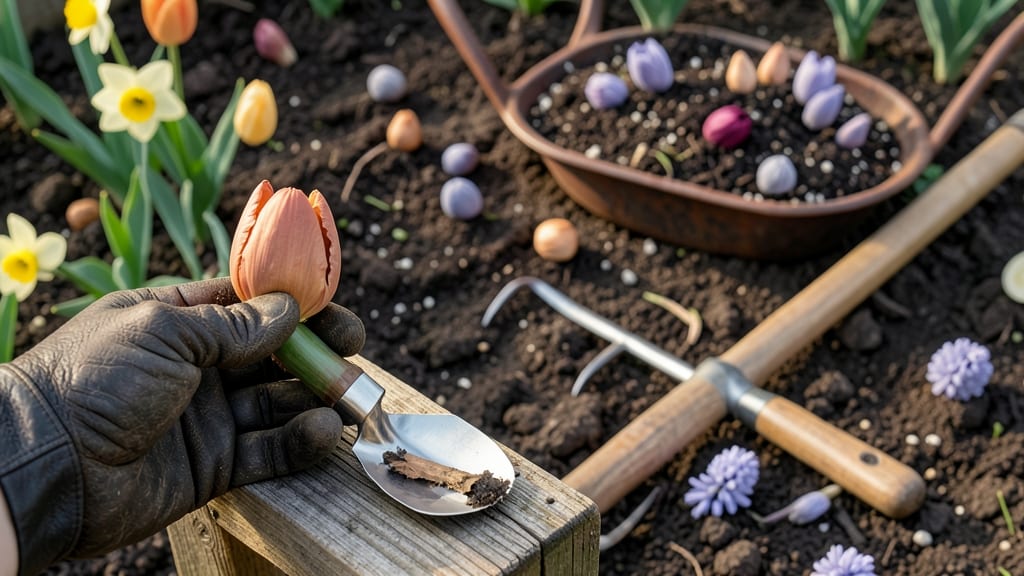
If you’ve ever wondered when to plant bulbs in Zone 8a, timing is the secret to vibrant blooms next spring. Plant too early, and they’ll rot; too late, and they won’t establish roots before winter.
The key? Fall planting—October to November—when soil cools and frost looms, giving bulbs like daffodils and tulips the perfect head start.
Zone 8a’s mild winters mean you’ve got a slightly longer window than colder climates, but don’t wait too long. Bulbs need 6-8 weeks before the first frost to root deeply. Think of it like a race: bulbs must grow roots before winter sets in, or they’ll struggle to bloom.
With the right timing, you’ll see stronger stems and more flowers come spring.
This isn’t just about months—it’s about soil temperature and frost dates. In Zone 8a, aim for 50–60°F soil when planting. Too warm, and bulbs wake up too soon; too cold, and they’ll sit dormant.
I’ll walk you through the exact steps to prep your soil, choose the best bulbs for your area, and even adjust for early or late frosts.
Ready to set your garden up for success? Let’s dive into the perfect planting schedule, soil prep tips, and the top bulbs that thrive in Zone 8a. Your spring blooms will thank you!
Best fall planting months for Zone 8a bulbs (and why timing matters)
Planting bulbs in Zone 8a requires precision—too early, and they’ll rot in warm soil; too late, and roots won’t establish before winter. The ideal window is 6-8 weeks before your first frost, which for most of Zone 8a lands between late September and mid-November.
This timing ensures bulbs develop strong roots before soil temperatures drop below 50°F.
For example, in Southern California, where winters are milder, you might extend planting into early December. Meanwhile, inland areas like Las Vegas or Arizona should aim for late October to early November. Understanding your local frost dates is key—check your USDA Plant Hardiness Zone Map for exact timing.
Soil temperature is the critical factor. Bulbs need cool soil (below 60°F) to trigger root growth. Use a soil thermometer to monitor—plant when temps consistently stay below this threshold. In Zone 8a, this usually aligns with fall’s cooling trend, making September–November the sweet spot.
Popular bulbs like daffodils and tulips thrive in this zone, but even hyacinths and crocuses benefit from fall planting. The goal is to give roots 4-6 weeks of growth before winter dormancy. This root system ensures vibrant blooms next spring instead of weak, sparse flowers.
Here’s a quick rule of thumb: Plant tulips and daffodils in October, while hyacinths and alliums can wait until early November. Adjust based on your microclimate—coastal areas stay warmer longer, while inland zones may need earlier planting.
Zone 8a Bulb Planting Timeline
| Bulb Type | Ideal Planting Month | Soil Temp Requirement | Root Growth Window |
|---|---|---|---|
| Daffodils | Late September–October | Below 60°F | 6–8 weeks before frost |
| Tulips | October–Early November | Below 55°F | 5–7 weeks before frost |
| Hyacinths | Early November | Below 50°F | 4–6 weeks before frost |
| Alliums | Late October–November | Below 58°F | 6–8 weeks before frost |
| Crocuses | September–October | Below 65°F | 8–10 weeks before frost |
Pro Tip: Mulch with 2–3 inches of straw after planting to insulate bulbs and retain moisture.
If you miss the fall window, don’t worry—many bulbs can also be planted in early spring (February–March) in Zone 8a. However, spring-planted bulbs may bloom later in the season or produce fewer flowers. For best results, prioritize fall planting when possible.
One common mistake is planting bulbs too shallowly. In Zone 8a, dig holes 3 times deeper than the bulb’s height. For example, a 2-inch-tall daffodil bulb should go
Best fall planting months for Zone 8a bulbs (and why timing matters)
Zone 8a gardeners have a 6-8 week window to plant bulbs in fall—typically from mid-September to late November. This timing ensures bulbs establish strong roots before winter dormancy. Plant too early (like August), and bulbs may sprout prematurely and rot in warm soil.
The key is soil temperature. Aim for 60°F or below—ideal for root growth without encouraging early sprouting. In Zone 8a, this usually aligns with late September to early October for most bulbs like tulips and daffodils.
🌱
| Bulb Type | Ideal Planting Window | Soil Temp Goal | Notes |
|---|---|---|---|
| Tulips | Late Sept–Early Oct | 50–60°F | Needs chilling; plant early |
| Daffodils | Oct–Nov | 55–65°F | Tolerates cooler soil |
| Hyacinths | Oct–Early Nov | 50–60°F | Clump-forming; space 4–6" |
| Alliums | Sept–Oct | 55–65°F | Drought-tolerant; full sun |
If you miss fall planting, early spring (February–March) is your second chance. However, spring-planted bulbs may bloom later or produce fewer flowers since they lack winter chilling.
For Zone 8a’s mild winters, focus on cool-season bulbs like daffodils and crocuses. They handle the 30–40°F lows typical in this zone without extra protection.
Pro tip: Use a soil thermometer to confirm temps are consistently below 60°F before planting. This small tool prevents costly mistakes!
🌿