
Plants
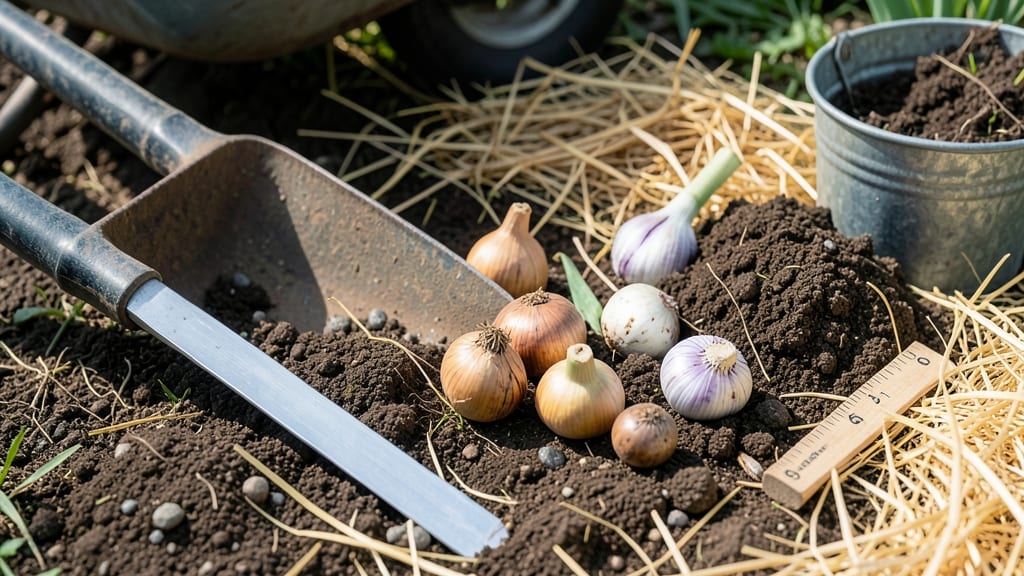
Timing your Spring Flowering Bulbs 🌷 planting in Indiana can mean the difference between a showstopping spring garden and a missed opportunity. With Indiana's 5b-6b climate, getting the window right—typically between September-October or March-April—isn’t just about luck; it’s about understanding your local frost patterns.
I’ve seen firsthand how a few weeks’ difference can transform a garden from sparse to spectacular. The key? Planting bulbs 6-8 weeks before the ground freezes (usually late September) gives them time to establish roots before winter sets in.
But don’t worry—even if you miss that window, spring planting in March-April still works for many varieties.
What sets Indiana apart is its unpredictable frost dates, which can shift from year to year. That’s why I’ll break down exactly when to plant for zero-frost success, whether you’re growing tulips, daffodils, or hyacinths.
Plus, I’ll share pro tips to adjust for late frosts or early thaws—so your 🌷 blooms arrive right on schedule.
Ready to turn your garden into a springtime masterpiece? Let’s dive into the exact months, soil prep tricks, and bulb types that thrive in Indiana’s climate. Your future garden is waiting—just a few weeks away!
Indiana’s frost zones and best bulb planting months by type
Indiana’s USDA Hardiness Zones 5b-6b create a unique challenge for bulb planting—too early, and frost ruins your efforts; too late, and bulbs struggle to establish roots. The key? Timing based on bulb type and frost dates that vary by region.
Northern Indiana (Zone 5b) typically sees its first frost around October 31, while southern Indiana (Zone 6b) holds off until November 15. Plan accordingly!
Most spring-flowering bulbs like tulips and daffodils need to be planted in fall (September-October) to root before winter. Meanwhile, fall-planted bulbs such as hyacinths and crocuses thrive when planted in late summer (August). Understanding these distinctions ensures your bulbs bloom on time and with maximum vigor.
Here’s the golden rule for Indiana gardeners: Plant bulbs 6-8 weeks before the ground freezes. For most areas, that means late September to early October. But don’t panic if you miss this window—some bulbs, like daffodils, can even handle November planting in milder southern Indiana zones.
| Bulb Type | Planting Window | Best Months | Indiana Notes |
|---|---|---|---|
| Spring-Flowering (Tulips, Daffodils) | Fall (6-8 weeks before frost) | Late Sep - Early Oct | Northern IN: Plant by Oct 15. Southern IN: Can extend to Nov 1. |
| Fall-Planted (Hyacinths, Crocuses) | Late Summer (Before ground hardens) | August - Early Sep | Ideal for early spring color—plant in well-draining soil. |
| Late-Blooming (Alliums, Fritillaries) | Fall (After other bulbs) | October - November | Perfect for northern IN gardeners who miss early deadlines. |
| Spring-Planted (Caladiums, Canas) | Early Spring (After last frost) | April - May | Wait until soil temps reach 60°F for best results. |
For northern Indiana gardeners in Zone 5b, early September planting is critical—bulbs need time to root before the ground freezes. In southern Indiana (Zone 6b), you’ve got a 2-3 week buffer, allowing for more flexibility.
Pro tip: Use a soil thermometer to check when temps drop below 50°F—this signals it’s time to stop planting for the season.
Don’t overlook bulb depth and spacing, which vary by type. Tulips and daffodils need 6-8 inches deep, while crocuses and snowdrops thrive just 2-3 inches below soil. Overcrowding leads to smaller blooms and pest issues, so follow package guidelines or local nursery advice.
Indiana’s microclimates can also affect timing. If you live near lakes or rivers, expect later frosts—wait until mid-October in these areas. Conversely, urban heat islands may push back frost dates by a week or more. Observe your local patterns and adjust your schedule accordingly.
One common mistake? Planting spring-flowering bulbs in spring. These bulbs need cold stratification to bloom, so skipping fall planting means no flowers next year. If you miss the fall window, opt for spring-planted bulbs like caladiums or elephant ears, which thrive in Indiana’s summers.
For container gardening, plant bulbs in pots by late September and move them to a garage or cold frame before winter. This extends your planting window and protects bulbs from freeze-thaw cycles that can damage roots. Just ensure pots have drainage holes to prevent rot.
Finally, mark your planting calendar with Indiana’s average frost dates and set reminders for September 15 and October 15—these are your prime planting windows.
With the right timing, you’ll enjoy vibrant blooms from early spring through late summer, proving that Indiana’s climate isn’t a barrier—it’s just a timing puzzle waiting to be solved.
How to adjust planting dates for Indiana’s unpredictable weather patterns
Indiana’s weather can throw off even the most experienced gardener—especially when it comes to bulb planting. A late frost in April or an early freeze in October means your tulips or daffodils could be caught off guard.
The key is flexibility: knowing how to extend planting windows and protect your bulbs from unpredictable frost.
First, use a soil thermometer to track when the ground reaches 60°F in spring or 50°F in fall—these are your ideal planting temperatures.
In northern Indiana (Zone 5b), this might mean waiting until mid-April for spring bulbs, while southern Indiana (Zone 6b) can start as early as late March. Adjusting based on soil—not air—temperature prevents frost damage.
Indiana’s polar vortex events can push frost dates 2-3 weeks later than average. If your area hasn’t seen its last frost by April 15, cover newly planted bulbs with straw mulch (3-4 inches) or a lightweight frost cloth until danger has passed.
For fall-planted bulbs like hyacinths or crocuses, aim to finish by October 15 in northern Indiana. If you miss this window, wait until November 1—but only if the ground hasn’t frozen solid.
Use a garden fork to loosen soil and plant deeper (8-10 inches) for extra insulation against winter heaving.
Pro tip: Plant in layers for high-risk areas. After planting your main bulbs, add a second layer of smaller bulbs (like snowdrops) on top. This stretches your bloom season and gives you backup if some bulbs fail. Just ensure the top layer gets 6+ hours of sun for best results.
If you’re still unsure about timing, opt for extended-season varieties. Daffodils and alliums are tougher than tulips and can handle late frosts better. For tulips, choose Darwin Hybrid types—they bloom later and resist frost damage more effectively.
Finally, keep a gardening journal to track your local frost dates. Over time, you’ll spot patterns—like whether your area tends toward early springs or late fallsplanting schedule year after year for zero-frost success.