
Plants
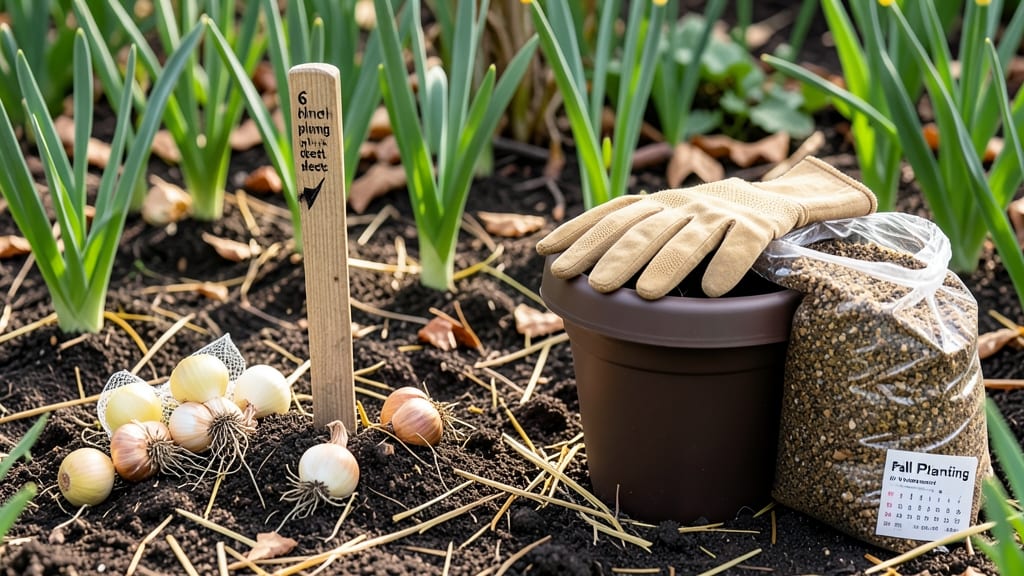
Timing your daffodil bulbs when to plant in the fall could make all the difference between a stunning spring garden and wasted effort. These cheerful 🌷 blooms need a precise window—too early, and they rot; too late, and they won’t establish strong roots before winter.
For most gardeners in USDA Zone 6a, the ideal planting window is October to November, giving bulbs 6-8 weeks to root before the ground freezes. This timing ensures they’ll push through frost and reward you with vibrant blooms by April or May.
But what if you’re in a warmer or colder zone? I’ll break down exactly how to adjust your planting schedule based on your local climate—plus soil prep tips to set your daffodils up for success. Let’s get those bulbs in the ground the right way.
Miss the window, and you risk weak growth or no flowers at all. Don’t let that happen—here’s your step-by-step guide to planting daffodil bulbs at the perfect time for a showstopping spring display.
The perfect fall planting window: 6-8 weeks before first frost explained
Daffodil bulbs thrive when planted in the 6-8 week window before your first frost. This timing allows roots to establish before winter dormancy, ensuring strong spring blooms. The exact date varies by USDA hardiness zone—colder regions plant earlier, while warmer zones can wait until late fall.
For example, in Zone 6a (like much of the Midwest), aim for planting between mid-October and early November. In Zone 8 or warmer, you might extend planting until December. Always check your local frost date—most gardeners use the average first frost date as their guide.
Why this window? Daffodil bulbs need time to develop roots before freezing. If planted too early, they may sprout and get damaged by fall rains or early frost. Planting too late risks weak root systems that struggle to support spring growth.
Pro tip: Use the 6-8 week rule as a starting point, but adjust for your local microclimate. A sheltered spot may stay warmer longer, while exposed areas freeze sooner. Observe nearby plants like chrysanthemums—they signal when it’s safe to plant.
| USDA Zone | Ideal Planting Month | Key Consideration |
|---|---|---|
| Zones 3-5 | September-October | Early frost risk; plant ASAP after soil cools |
| Zones 6-7 | td style="padding: 10px; border-bottom: 1px solid #9b5a98;">October-NovemberClassic 6-8 week window; most reliable | |
| Zones 8-10 | November-December | Warmer soils; extend window until early winter |
🌡️ Note: Adjust for early/late frosts—check your local average frost date.
If you’re unsure about your zone, use the soil temperature test: Daffodil bulbs prefer 40-50°F soil. Stick a thermometer in the ground—when temps drop below this, it’s time to plant. This method works better than relying solely on calendar dates.
For gardeners in unpredictable climates, consider layered planting. Plant half your bulbs in the ideal window, then store the rest in a cool, dark place (like a garage) until soil temps drop. This hedges against early frosts or dry spells.
Remember, daffodil bulbs hate soggy soil in winter. If your area gets heavy rain or snowmelt, plant in a slightly elevated spot or amend soil with compost or sand to improve drainage. Proper drainage prevents rot and ensures healthy root growth.
Finally, mark your planting spots! Use biodegradable flags or a simple garden map. Come spring, you’ll thank yourself when those cheerful yellow blooms emerge right where you planted them.
With the right timing, your daffodils will reward you with years of spring color—and the secret starts with that perfect fall planting window. 🌷
How to prepare daffodil bulbs for fall planting: soil, depth, and location secrets
Preparing your daffodil bulbs for fall planting isn’t just about sticking them in the ground—it’s about creating the perfect conditions for strong root development before winter.
Start by choosing a well-draining location with at least 6 hours of sunlight daily. Daffodils hate soggy soil, so avoid low spots where water pools.
Before planting, loosen the soil to a depth of 12 inches using a garden fork or tiller. This helps roots penetrate easily and prevents compaction issues. Mix in compost or aged manure to enrich the soil—this gives bulbs a nutrient boost without burning them.
⚠️ CRITICAL WARNING: Poor drainage is the #1 killer of daffodil bulbs. If your soil feels heavy or stays wet for days, amend it with sand or perlite to improve airflow.
Test your soil’s pH—daffodils thrive in neutral to slightly acidic soil (6.0-7.0). A simple soil test kit from your garden center makes this easy!
⚠️ DON’T Plant in Heavy Clay or Waterlogged Soil
Daffodil bulbs rot quickly in waterlogged conditions. If your yard has clay soil, mix in 3-4 inches of compost and consider planting on a slight mound to improve drainage. Test your soil before planting—this small step saves hours of frustration later!
When it’s time to plant, dig holes 3 times deeper than the bulb’s height—typically 6-8 inches deep. Space bulbs 4-6 inches apart for small varieties and 6-8 inches apart for larger ones.
Plant with the pointy end up (this is where the stem grows) and cover with soil, leaving no air pockets.
After planting, water deeply to settle the soil and remove any air gaps around the bulbs. A 1-inch layer of mulch (like straw or shredded leaves) helps insulate roots from temperature swings and retains moisture. Avoid mulching too early—wait until the ground cools to 50°F (10°C) at night.
Finally, mark your planting spots with stakes or flags so you don’t accidentally dig them up in spring! Daffodils need 6-8 weeks of cool weather to establish roots, so resist the urge to fertilize until you see green shoots in spring.
With the right prep, your daffodils will reward you with bold, cheerful blooms next spring—no guesswork required! 🌷