
Plants
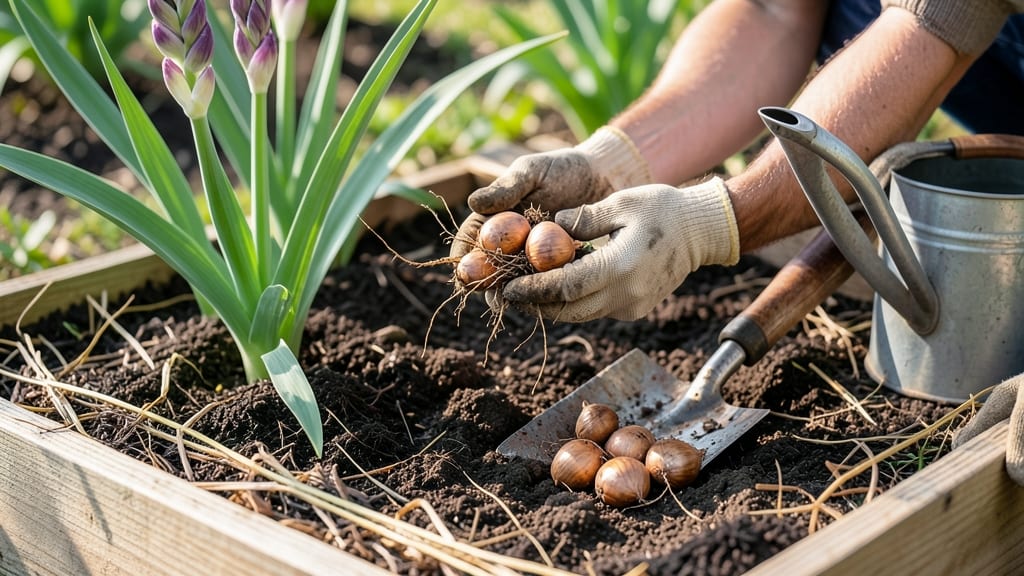
Timing your gladiolus bulb planting in Indiana can mean the difference between vibrant summer blooms and wasted effort. With Indiana’s USDA Zone 6a climate, getting the window right—mid-April to early May—is critical to avoid frost damage or stunted growth.
I’ve seen firsthand how soil temperature and last frost dates (around April 15) dictate success. Plant too early, and your bulbs may rot; too late, and you’ll miss the peak blooming season from July to September. Let’s break down the exact conditions your Indiana garden needs for perfect timing.
Beyond dates, soil prep and spacing matter just as much. Gladiolus thrive in well-drained soil with 6 inches of depth and 6 inches apart, but Indiana’s variable microclimates mean adjustments are often needed.
Whether you’re in Northern or Southern Indiana, I’ll show you how to adapt for maximum blooms.
Ready to transform your garden? By the end, you’ll know exactly when to plant, how to care for your 🌸 gladiolus through the season, and even how to extend their beauty with staggered plantings. Let’s get started!
Indiana gladiolus planting timeline: frost dates & soil temperature rules
Gladiolus bulbs thrive in Indiana’s USDA Zone 6a, but timing is everything. Plant too early, and frost will damage tender roots; too late, and you’ll miss the July-September bloom window.
The key is waiting for soil temperatures above 60°F—a rule that aligns with Indiana’s average last frost date of April 15.
Northern Indiana (e.g., Fort Wayne) typically has a later frost-free window than Southern Indiana (e.g., Evansville). This means gardeners in the north should wait until mid-to-late May for planting, while southern regions can start as early as mid-April. Always check your local Almanac frost dates for precision.
Soil warmth is non-negotiable for gladiolus. Use a soil thermometer to confirm temperatures—roots won’t grow below 60°F. In Indiana, this usually happens by early May in most regions, but cooler springs (like 2021) may delay planting by 1-2 weeks.
| Region | Avg. Last Frost | Safe Planting Window | Soil Temp Threshold |
|---|---|---|---|
| Northern Indiana (Zone 6a) | April 20-May 1 | Mid-to-late May | 60°F+ (confirmed) |
| Central Indiana (Zone 6a) | April 15 | Early-to-mid May | 60°F+ (confirmed) |
| Southern Indiana (Zone 6b) | April 1 | Mid-April to early May | 60°F+ (confirmed) |
⚠️ Pro Tip: Use black plastic mulch to warm soil faster in cooler regions.
Indiana’s microclimates can shift planting windows by weeks. Urban areas (like Indianapolis) may experience 2-3°F warmer soil than rural zones due to heat retention. If you’re unsure, opt for staggered plantings—sow half your bulbs in early May and the rest in late May to extend blooms.
For early blooms, consider container gardening. Pots warm up faster than garden beds, letting you plant gladiolus bulbs as early as late March in Southern Indiana. Just ensure containers have drainage holes to prevent rot in cool, wet springs.
Gladiolus bulbs planted in Indiana’s optimal window (mid-April to early May) will reward you with July-September blooms. Miss this window, and you risk shorter stems or fewer flowers. Use a planting calendar to track progress—aim for 90-120 days to maturity.
Don’t forget: Gladiolus bulbs are not frost-tolerant. If an unexpected late frost hits after planting, cover bulbs with row fabric or a cloche. Southern Indiana’s milder climate reduces this risk, but Northern Indiana gardeners should stay vigilant until May 15.
For longer blooming seasons, try successive plantings every 2-3 weeks from May through June. This ensures continuous color from July through September. Just remember: Each new batch needs 60°F+ soil to thrive.
Indiana’s humidity can also affect planting. High moisture levels increase fungal risks, so avoid planting in soggy soil. Amend clay-heavy soils with compost or sand to improve drainage—gladiolus roots need well-aerated conditions to establish.
Indiana gladiolus planting timeline: frost dates & soil temperature rules
Gladiolus bulbs thrive in Indiana’s USDA Zone 6a, but timing is critical—soil must reach 60°F+ for roots to grow. Plant too early, and frost will damage tender shoots; too late, and you’ll miss summer blooms.
Here’s how to nail the 4-6 week window after last frost for your region.
Northern Indiana (e.g., Gary, South Bend) typically sees its last frost by April 15, while Southern Indiana (e.g., Evansville, Louisville) warms up 1-2 weeks earlier. Use these dates as your starting point, but always verify with local Almanac frost charts—microclimates vary!
Soil temperature is the real game-changer. Gladiolus bulbs need consistent warmth to sprout. Test your soil with a thermometer—plant only when it hits 60°F for 3+ days. In Indiana, this usually aligns with mid-April to early May, but drought or late springs can delay it.
🌱
| Region | Avg. Last Frost | Ideal Planting Window | Soil Temp Threshold |
|---|---|---|---|
| Northern IN (Zone 6a) | April 15 | May 1–15 | 60°F+ (consistent) |
| Central IN (Zone 6a) | April 1 | April 20–May 5 | 60°F+ (consistent) |
| Southern IN (Zone 6b) | March 25 | April 10–25 | 60°F+ (consistent) |
*Adjust for microclimates (e.g., urban heat islands plant earlier).
Pro tip: Stagger plantings every 2 weeks to extend blooms from July to September. Start with early varieties (e.g., ‘Picasso’) in late April, then add mid-season (e.g., ‘Green Star’) in early May. Late bloomers like ‘Black Pearl’ can go in early June for fall color.
If you’re unsure about soil warmth, use black plastic mulch to warm the ground faster. Lay it down 2 weeks before planting—it can raise soil temps by 5–10°F, giving you a head start in cooler springs. Just remove it once bulbs sprout to avoid overheating.
🌡️