
Plants
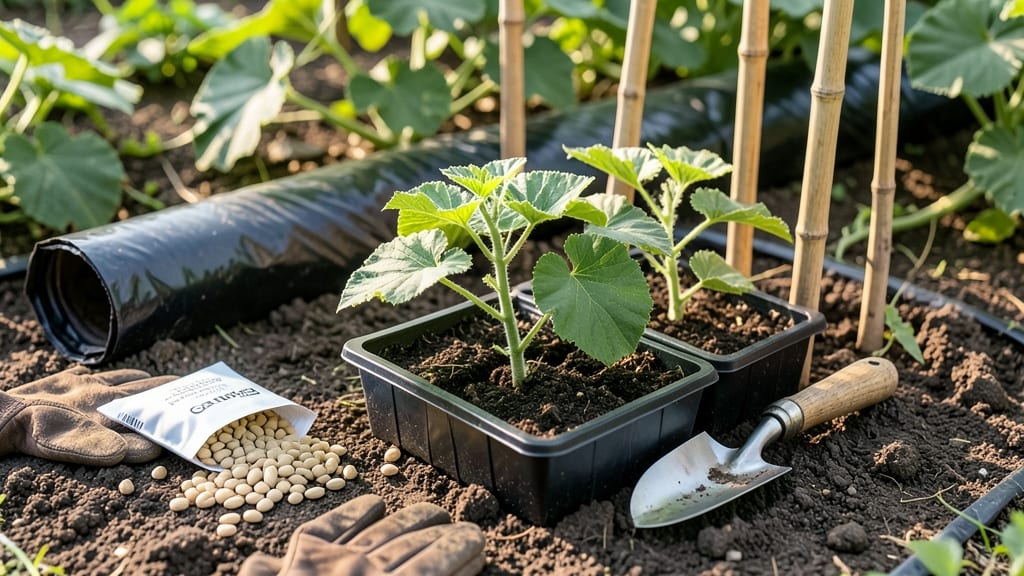
Timing your cantaloupe planting in Florida can mean the difference between a bumper crop and wasted effort—especially when those 90°F afternoons arrive faster than you think.
Unlike cooler climates where frost dictates schedules, Florida’s subtropical zones (like 9a-11) let you grow cantaloupes year-round—but only if you play by the heat’s rules.
Most gardeners in Florida plant cantaloupes twice a year: once in spring (mid-February to April) for a May-June harvest, and again in late summer (July-August) to enjoy sweet fruits in September-October.
But here’s the catch: soil temperatures must hit at least 70°F for seeds to germinate properly—or you’ll end up with slow starts and bitter disappointments.
What if you want to push your harvest even further? I’ll show you how to extend your growing season with heat-tolerant varieties, smart soil prep, and tricks to beat Florida’s brutal summer heat. No more guessing—just proven strategies to turn your garden into a cantaloupe powerhouse.
Whether you’re a first-time gardener or a seasoned pro, these insights will help you avoid common pitfalls like bolting (when plants flower too fast) and pests that thrive in Florida’s humidity.
Let’s get your 🍈 plants off to the right start—so you can enjoy that first ripe slice before the season slips away.
Best planting windows for cantaloupe in Florida by season
Florida’s frost-free climate gives cantaloupe growers a year-round advantage, but timing still matters to avoid heat stress or pest pressure. Unlike northern states, you can plant twice annually—spring and fall—with microclimate adjustments for North vs. South Florida.
Let’s break down the optimal planting windows by region and season to maximize your 75-90 day harvest.
The key rule for Florida cantaloupe: plant when soil temps hit 70°F+ and avoid peak summer heat (85°F+), which causes bolting. North Florida’s cooler winters delay spring planting, while South Florida’s year-round warmth allows fall crops even into October. Let’s dive into the month-by-month schedule tailored to your region.
🌱
North Florida gardeners should start seeds indoors in January for transplanting after last frost risk (typically mid-March). Central Florida enjoys a longer spring window thanks to milder winters, while South Florida can plant year-round with shade protection during summer’s peak heat.
The fall window is critical—planting too late risks hurricane season (June-November) and soil-borne diseases.
For extended harvests, use succession planting: sow new seeds every 2 weeks within your region’s window. For example, in Central Florida, plant March 1, March 15, and April 1 for a staggered May-June harvest. This prevents glut and ensures continuous fruit.
🌿
Watch for soil temperature—not air temperature—using a soil thermometer. Cantaloupe seeds won’t germinate below 65°F (18°C), and ideal germination occurs at 80-90°F (27-32°C). In North Florida’s cooler springs, use black plastic mulch to warm soil faster and suppress weeds.
For fall crops, avoid planting after August 15 in North Florida to beat hurricane season and prevent waterlogged soil.
Pro tip: Direct-sow seeds (don’t transplant) for hardier seedlings. Cantaloupe hates root disturbance, and transplanted plants often bolt prematurely. Plant 3-4 seeds per hill, thin to 1-2 strongest plants, and hill soil around stems to encourage root growth.
Space hills 3-4 feet apart—cantaloupe vines spread aggressively!
☀️
One common mistake? Planting too early in North Florida when soil is still cool. Seeds may rot or take 3+ weeks to sprout, leaving you behind schedule. Always test soil temp at 2-inch depth in the morning for accurate readings.
Another pitfall: overcrowding. Too many plants in limited space leads to poor air circulation, increasing powdery mildew risk—a major issue in Florida’s humid summers.
For year-round success, pair your spring and fall plantings with seasonal care tweaks. Spring crops need regular watering as Florida
Best planting windows for cantaloupe in Florida by season
Florida’s frost-free climate means cantaloupe can thrive year-round—but timing matters to avoid heat stress or pests. The best windows align with soil temperatures of 70°F+ (21°C+) and humidity control. North Florida’s cooler winters limit early planting, while South Florida gardeners enjoy extended seasons.
For spring harvests, start seeds indoors 6-8 weeks before your last frost date (typically mid-February to early April in North Florida). Transplant seedlings outdoors once nighttime temps stay above 55°F (13°C), usually by late March. South Florida can plant directly outdoors as early as January.
| Season | Best Planting Window | Soil Temp Requirement | Harvest Window | Florida Region Notes |
|---|---|---|---|---|
| Spring | Mid-February to early April (indoors) / Late March (outdoors) | 70°F+ (21°C+) | May-June | North FL: Wait until soil warms; South FL: Start earlier |
| Summer | July-August (direct sow) | 75°F+ (24°C+) | September-October | Use shade cloth for young plants; mulch to retain moisture |
| Fall | Late August (indoors) / September (outdoors) | 65°F+ (18°C+) | November-December | Risk of early frost in North FL; South FL can extend harvest |
| Winter | Not recommended (unless greenhouse) | N/A | N/A | Poor germination; pests thrive in warm winters |
Summer planting (July-August) is ideal for fall harvests but requires extra care. Florida’s humidity and heat can stress plants, so mulch heavily and water deeply at soil level to prevent fungal diseases. Avoid planting in peak summer if temps exceed 90°F (32°C) for extended periods.
For year-round production, stagger plantings every 2-3 weeks during the spring and fall windows. This succession planting ensures continuous harvests. In South Florida, you can even try a winter greenhouse for off-season growth, though yields may be lower due to shorter daylight.
Watch for bolting—when plants flower prematurely—if nights stay too cool (<50°F/10°C). Use black plastic mulch to warm soil faster and row covers for young seedlings to protect against unpredictable cool snaps, especially in North Florida.
Pro tip: Test your soil’s pH (6.0-6.8) before planting. Florida’s sandy soils often need organic matter to retain moisture. Amend with compost or aged manure 2-3 weeks before planting for best results.