
Plants
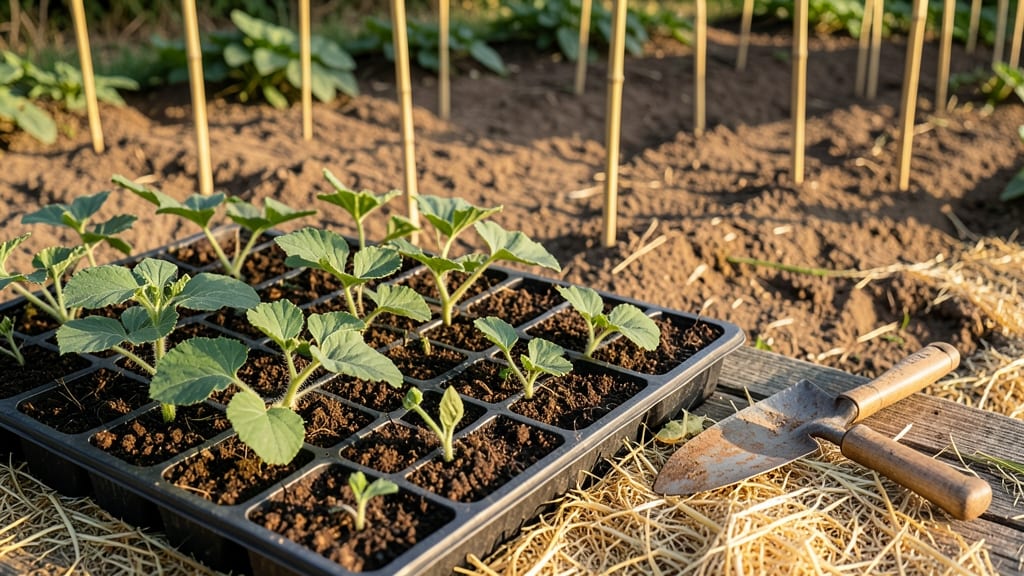
When to plant cantaloupe in Arkansas is the key to unlocking a bountiful harvest—timing wrong means frost or scorching heat ruins your crop before you even get to taste that first sweet bite.
The right planting window ensures your vines thrive in Arkansas’ warm, humid summers, but one misstep can leave you with bitter melons or no melons at all.
Most Arkansas gardeners plant cantaloupe after the last frost, but the exact timing depends on your zone—whether you’re in the cooler north or the hotter south. I’ll break down the precise weeks before last frost to aim for, plus how to adjust for Arkansas’ unpredictable spring weather.
No more guessing: just data-driven planting for peak yields.
You’ll also discover how to stretch your growing season with simple tricks like row covers and succession planting. These methods help you beat Arkansas’ short frost-free window and enjoy cantaloupe from early summer through fall. Ready to turn your garden into a melon patch? Let’s get started.
Cantaloupe 🌱 loves heat, but Arkansas’ climate can be tricky—too early, and frost zaps your seedlings; too late, and summer arrives before your plants mature. I’ll show you how to nail the balance for juicy, homegrown success, no matter where you are in the state.
Arkansas cantaloupe planting timeline: weeks before last frost for best results
Cantaloupe thrives in Arkansas' warm climate, but timing your planting is critical to avoid frost damage or missed harvests.
Arkansas typically experiences its last spring frost between March 15 and April 15, depending on your region—North Arkansas tends to be 2-3 weeks earlier than the southern part of the state.
For optimal growth, cantaloupes need soil temperatures above 60°F—cold soil slows germination and weakens seedlings. In most of Arkansas, this means waiting until mid-April to early May for direct sowing, or starting seeds indoors 4-6 weeks before your last frost date.
Here’s the breakdown of planting windows based on Arkansas’ frost-free zones:
| Region | Last Frost Date | Best Planting Time | Soil Temp Requirement |
|---|---|---|---|
| North Arkansas (USDA Zones 6b-7a) | March 15 - April 1 | April 15 - May 1 (direct sow) or March 15 (indoors) | 60°F+ |
| Central Arkansas (USDA Zones 7b-8a) | April 1 - April 15 | April 15 - May 10 (direct sow) or March 25 (indoors) | 60°F+ |
| South Arkansas (USDA Zones 7b-8b) | April 15 - May 1 | May 1 - May 15 (direct sow) or April 1 (indoors) | 60°F+ |
If you’re planting seeds indoors, use biodegradable pots to avoid transplant shock. Harden off seedlings for 7-10 days before moving them outdoors after the last frost. Arkansas’ humidity can also affect germination, so keep soil consistently moist until seedlings emerge.
For succession planting, sow a second batch 2-3 weeks after your first planting to extend your harvest window. Cantaloupes take 75-90 days to mature, so aim for a final planting by mid-June to ensure ripe fruit before Arkansas’ first fall frost (typically October 15 - November 15).
Pro tip: Use a soil thermometer to confirm temperatures before planting—cantaloupe seeds won’t sprout below 60°F. In cooler years, consider using black plastic mulch to warm the soil faster and speed up germination.
Arkansas’ summer heat is perfect for cantaloupes, but avoid planting too early—young plants can’t handle sudden heat spikes. Wait until nighttime temperatures stay above 55°F consistently for the best start.
Once planted, cantaloupes need full sun (6-8 hours daily) and well-draining soil with a pH of 6.0-6.8. Amend your soil with compost before planting to improve fertility and drainage.
Remember: Patience pays off with cantaloupes—they need time to vine and set fruit. With the right timing, you’ll be enjoying homegrown, Arkansas-sweet cantaloupes by late summer! 🌱🍈
How to extend Arkansas cantaloupe season: transplanting, row covers, and succession planting tips
Arkansas’ short growing season can make cantaloupe planting tricky—late frosts and early heat can both threaten your crop. The good news? With smart strategies like transplanting, row covers, and succession planting, you can stretch your harvest window by 4-6 weeks.
These techniques help protect young plants and give your melons more time to mature before Arkansas’ fall temperatures drop.
Start by understanding your local frost dates. In North Arkansas (Zones 6-7), the last frost typically occurs around April 15, while South Arkansas (Zones 7-8) sees frost-free soil by March 15.
Use these dates to plan your transplanting schedule—delaying planting by 2-3 weeks can help avoid early-season cold snaps.
🌱 Key Strategies to Extend Your Cantaloupe Season
- 1. Transplant seedlings after soil reaches 70°F (use a soil thermometer). This ensures roots establish quickly in warm conditions.
- 2. Use row covers (floating fabric) for 2-3 weeks post-transplant to shield plants from late frosts (28°F or lower).
- 3. Succession plant every 2 weeks between April and June for staggered harvests.
- 4. Mulch heavily with straw to retain soil warmth and moisture, especially in North Arkansas.
- 5. Choose heat-tolerant varieties like 'Athena' or 'Hale’s Best' for longer harvest windows.
Transplanting is a game-changer for Arkansas gardeners. Instead of direct-sowing seeds in March or early April (which risks frost damage), start seeds indoors 3-4 weeks before your last frost date.
Use biodegradable pots to avoid root disturbance when moving seedlings outdoors. Harden them off for 7-10 days by placing them outside during the day and bringing them in at night.
Row covers are another lifesaver. Lightweight fabric (like Agribon) lets sunlight and water through while blocking 28°F+ frosts. Secure the cover with bricks or stakes to prevent wind damage.
Remove covers when daytime temperatures stay above 55°F to avoid overheating. This extra protection can add 3-4 weeks to your planting window in North Arkansas.
Succession planting is ideal for Arkansas’ climate. Since cantaloupe takes 75-90 days to mature, plant new seeds every 2 weeks from April through June. This ensures you’re always harvesting ripe melons while earlier plantings mature.
For example, a May 1 planting in South Arkansas will harvest in early July, while a June 15 planting might yield in late August—just before fall cools down.
Don’t forget companion planting! Pair cantaloupe with bush beans or radishes to improve soil health and deter pests like cucumber beetles. Avoid planting near potatoes or pumpkins, which compete for nutrients. With these tips, you’ll turn Arkansas’ challenges into opportunities for a longer, sweeter cantaloupe season.