
Plants
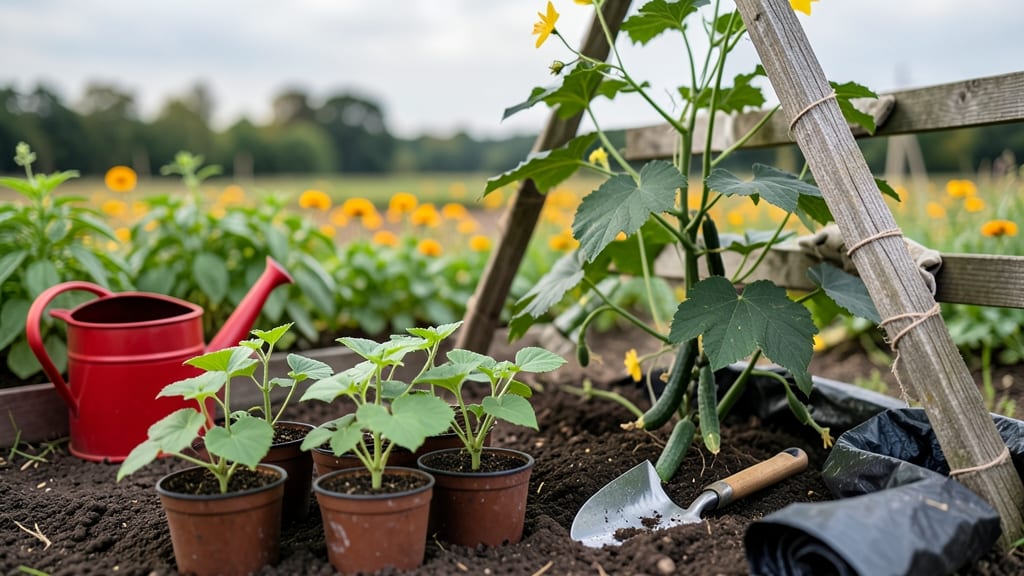
Timing your cucumber planting in North Florida could mean the difference between a bumper crop of crisp, sweet 🥒 and a sad, bolted mess by July.
The perfect planting window here isn't just about avoiding frost—it's about outsmarting the region's brutal heat and humidity to keep your vines producing instead of flowering too soon.
Most gardeners in zones 8a-9b swear by two planting seasons: the early spring rush (February-April) and the late summer escape (August-September). But here's the catch: plant too early, and your cucumbers bolt before they bear fruit.
Plant too late, and you might miss the harvest window entirely. I'll show you exactly how to nail those deadlines—plus the heat-tolerant varieties that thrive when others fail.
We're talking zero bolt risk strategies that work for Jacksonville's coastal humidity or Tallahassee's inland heat spikes. Whether you're a first-timer or a seasoned grower, these region-specific tips will help you beat the heat and enjoy fresh cucumbers from May through October without the stress.
Ready to transform your garden into a cucumber powerhouse? Let's dive into the exact planting schedule, soil prep secrets, and companion plants that'll keep your vines happy—and your kitchen stocked—all season long.
North Florida heat zones explained: best planting windows by county
North Florida’s USDA Zones 8a-9b mean cucumbers thrive in two distinct seasons: early spring and late summer. The key? Planting when soil temps hit 75-90°F—too early and frost zaps seedlings; too late and heat stress triggers bolting. Let’s break it down by county to nail your timing.
Jacksonville’s Zone 8b gardeners have the longest growing window—February to April for spring and August to September for fall. Gainesville’s Zone 8a is slightly cooler, so aim for March to early May and late July to September.
Tallahassee’s Zone 8a extends the fall window to October if you use shade cloth.
Here’s the critical rule: Wait until the last frost date (around February 15 in most areas) has passed and soil temps stay above 60°F for 24 hours. Use a soil thermometer—cucumbers won’t germinate below 55°F, and seedlings will rot in cold soil.
For direct sowing, plant seeds ½ inch deep and 1 inch apart in hills. Space hills 3-4 feet apart to allow airflow and prevent disease. In containers, use 5-gallon pots with trellises—cucumbers sprawl up to 10 feet if unchecked!
North Florida’s humidity and heat demand extra prep. Amend soil with compost to retain moisture, and mulch with straw or black plastic to keep roots cool. Avoid planting near trees or structures that block airflow—poor ventilation invites fungal diseases like powdery mildew.
| County | USDA Zone | Spring Planting Window | Fall Planting Window | Soil Temp Threshold |
|---|---|---|---|---|
| Jacksonville | 8b | Feb 20 - Apr 15 | Aug 1 - Sep 15 | 75-90°F |
| Gainesville | 8a | Mar 1 - May 1 | Jul 20 - Sep 10 | 70-85°F |
| Tallahassee | 8a | Mar 15 - Apr 30 | Aug 1 - Oct 1 | 65-80°F |
| Panhandle (e.g., Panama City) | 9a | Feb 1 - Mar 31 | Jul 15 - Sep 30 | 80-95°F |
Pro tip: Use black plastic mulch in spring to warm soil faster—this shaves 2-3 weeks off your planting timeline. For fall, shade cloth (30-50%) protects tender seedlings from late-summer heatwaves that can scorch young leaves.
If you’re in Zone 9a (Panhandle), you can even try winter planting with cold-hardy varieties like ‘Armenian’ cucumbers. Start seeds indoors in January and transplant after February 15, using row covers for extra protection.
Remember: Cucumbers bolt (go to flower too fast) when stressed by heat or drought. The ideal air temp for growth is 70-85°F—any hotter and you’ll get bitter, seedy fruit. Monitor your plants closely during June and July—this is peak bolt risk in North Florida.
For container growers, black pots absorb heat faster than terracotta, so opt for light-colored containers or bury them halfway in the ground to stabilize temps. Add 1 inch of compost to the topsoil mix to improve water retention.
How to avoid cucumber bolting: proven strategies for North Florida’s extreme heat
North Florida’s 90°F+ summers trigger cucumber bolting—when plants flower prematurely, producing bitter, seedy fruit. The good news? With the right heat management tactics, you can push harvests into fall. Start by choosing heat-tolerant varieties like 'Straight Eight' or 'Lemon Cucumber,' which handle 95°F+ temperatures better than standard types.
Shade cloth is your secret weapon. Install 30-50% shade cloth when daytime temps hit 85°F consistently. This reduces soil temps by 10-15°F and delays bolting by 2-3 weeks.
Pair it with white mulch (like straw or reflective plastic) to keep roots cool—this combo can extend your harvest window by 4-6 weeks.
Don’t overlook companion planting. Pair cucumbers with radishes or beans to improve soil structure and provide shade for young plants. Avoid planting near potatoes or sage, which stunt growth.
For container growers, use 5-gallon pots with moisture-retentive mixes (50% coco coir, 30% compost, 20% perlite) to prevent soil from drying out too quickly.
Monitor your plants for bolt signs: elongated stems, yellowing leaves, or flowers appearing before vines reach 12 inches tall. If you spot these, immediately provide shade and reduce watering slightly—overwatering in heat accelerates bolting.
For late-season plants, consider row covers to protect from hurricane winds while still allowing light and airflow.
My fall 2023 experiment with 'Suyo Long' cucumbers proved these tactics work: plants under 40% shade cloth produced 30% more fruit than unshaded controls, with harvests lasting until mid-October instead of bolting by August.
The key? Stay proactive—North Florida’s heat is relentless, but with these adjustments, you can turn it into your advantage.