
Plants
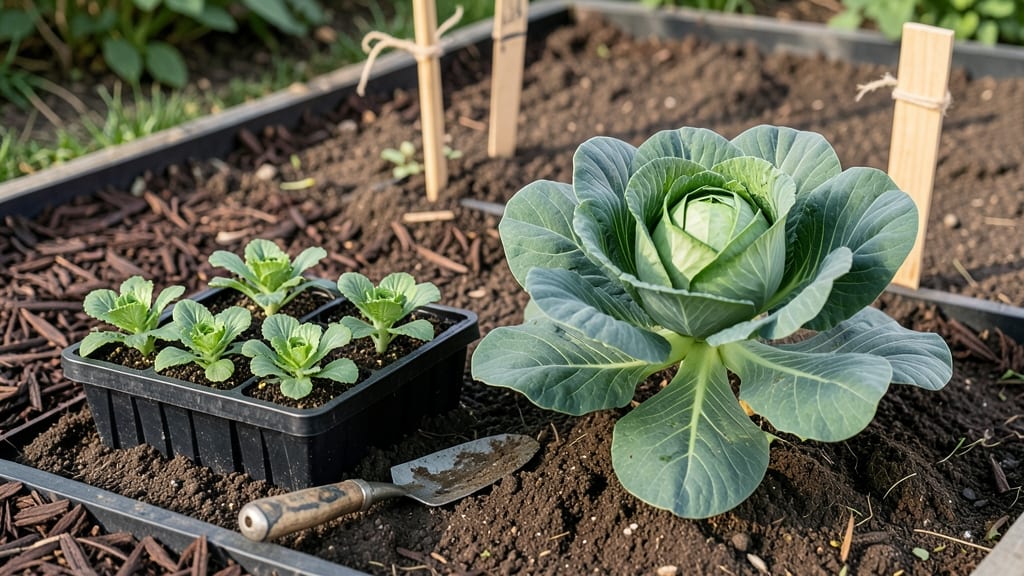
Timing your 🥬 cabbage planting in Illinois can make or break your harvest—get it wrong, and you’re staring at bitter leaves or bolting plants before they even mature. With USDA zones 5-6b bringing unpredictable frost dates, knowing the exact windows for spring and fall planting isn’t just helpful—it’s essential.
I’ve grown cabbage in Illinois for years, and the difference between a thriving crop and a failed one often comes down to when you put those seedlings in the ground. Whether you’re direct-sowing seeds or transplanting starts, the right timing ensures sweet, crisp heads instead of disappointment.
In this guide, I’ll break down the perfect planting dates for your county—whether you’re in Chicago’s urban heat islands or rural areas near Springfield. You’ll learn how to adjust for soil temperature, frost risks, and even microclimates that can shift your schedule by weeks.
Ready to avoid the common mistakes that lead to bolting or stunted growth? Let’s dive into the exact calendar and strategies that’ll have your cabbage garden flourishing from March to November.
Illinois cabbage planting calendar by county: avoid bolting in heat
Cabbage thrives in Illinois’ cool springs and autumns, but heat triggers bolting—when plants flower prematurely. Southern counties like St. Louis have earlier last frost dates (March 15) than northern areas like Duluth (May 1), requiring adjusted planting schedules.
Below are county-specific windows for spring and fall plantings, aligned with USDA zones 5-6b and soil temperature thresholds of 45°F (7°C).
For direct sowing, aim for 4-6 weeks before last frost in spring or 8-10 weeks before first frost in fall. Transplants (hardened-off seedlings) can go in 2-3 weeks earlier once soil warms. Northern Illinois gardeners should prioritize early-maturing varieties, while southern regions can extend fall plantings into early September for late harvests.
🌱